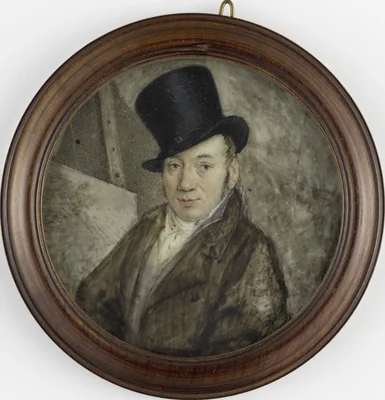
Hermanus Fock
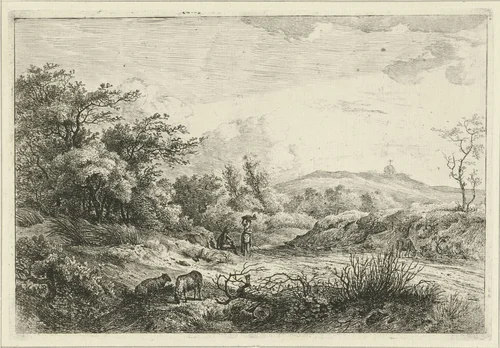
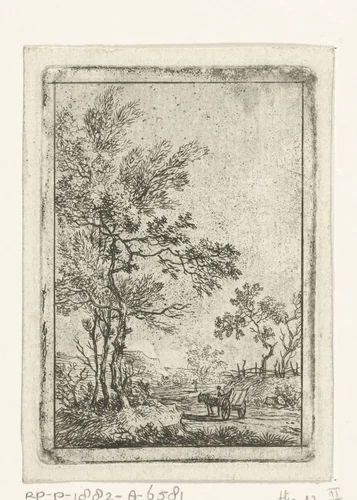
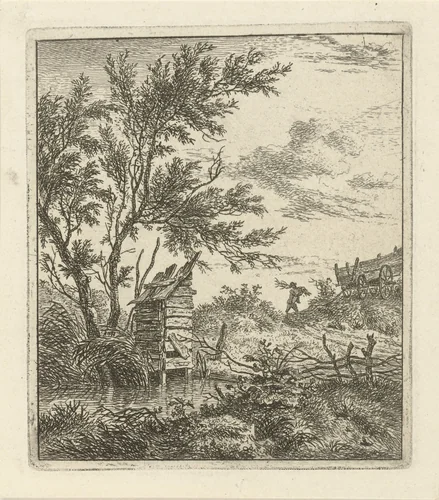
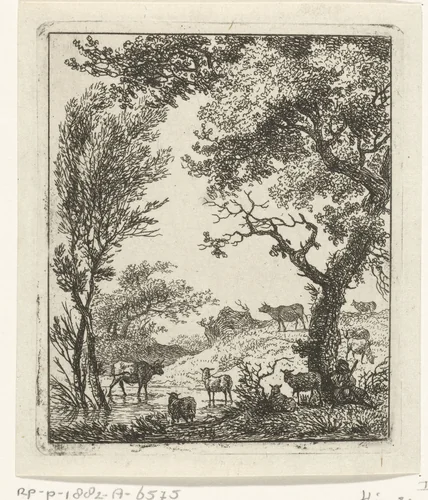
Hermanus Fock was an artist documented as being active for a concentrated period during the late eighteenth century, spanning approximately 1775 to 1781. Although specific biographical details regarding his origin are sparse, the surviving body of work confirms his focus on graphic media, particularly printmaking and drawing.
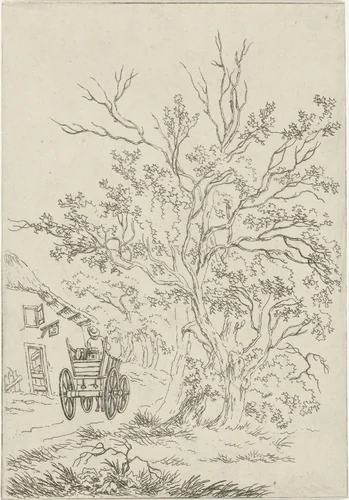
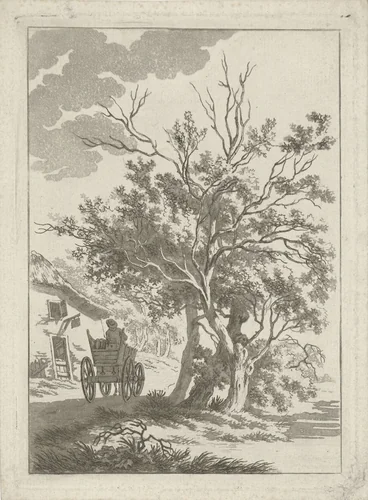
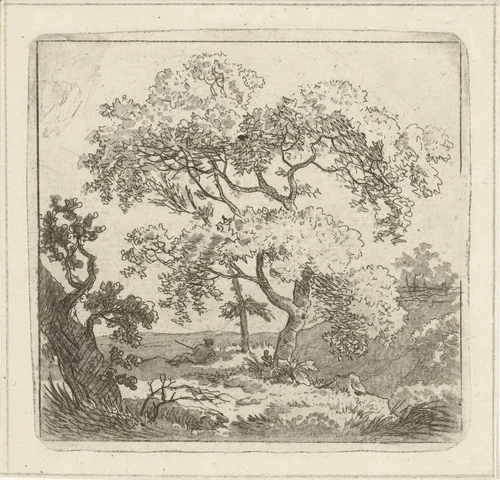
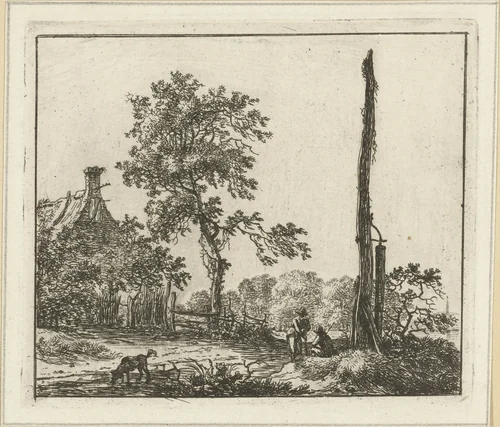
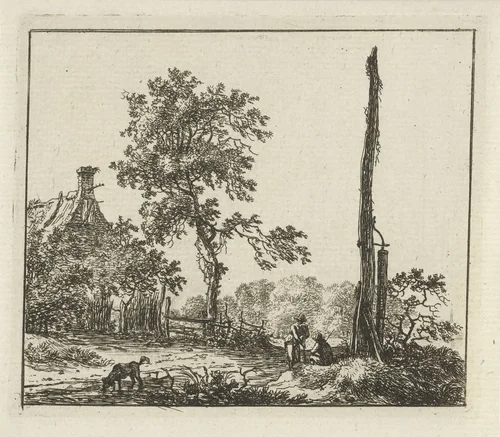
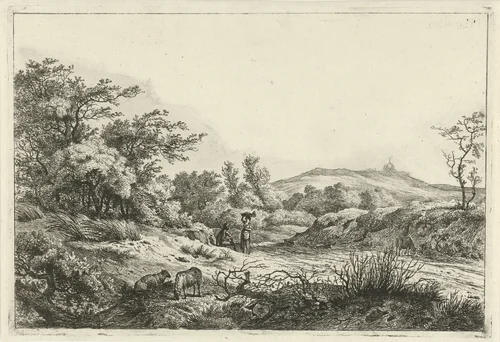
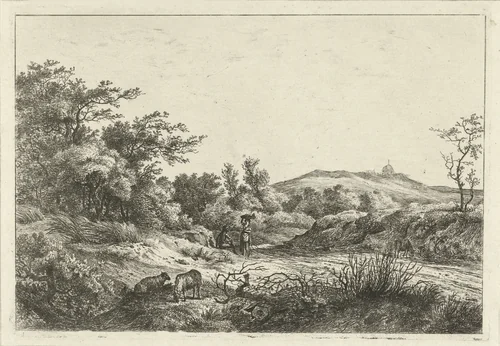
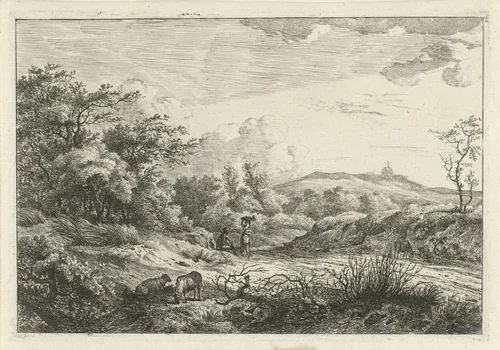
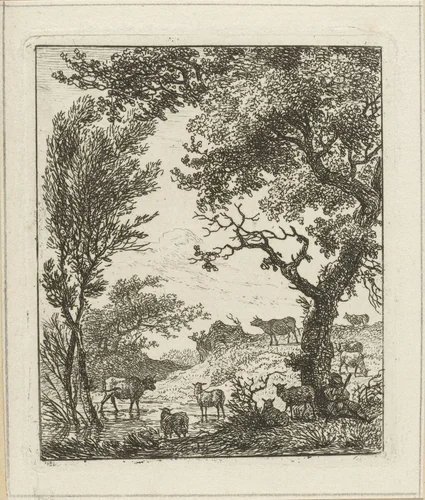
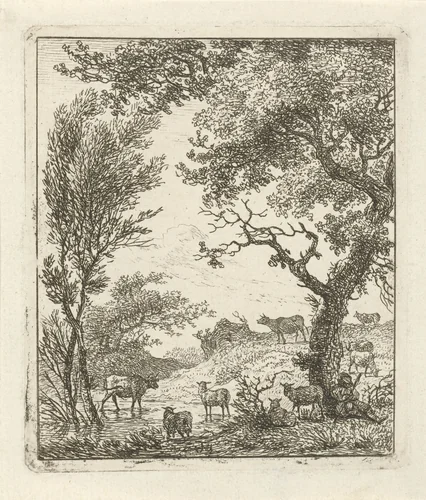
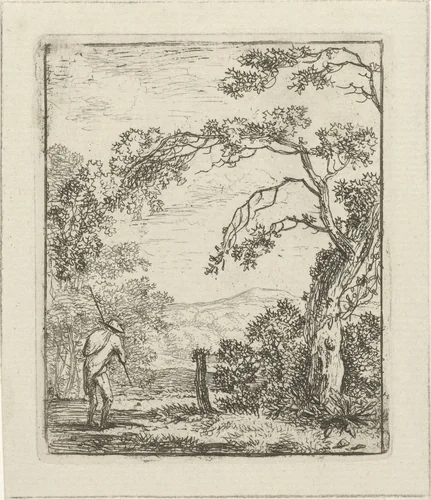
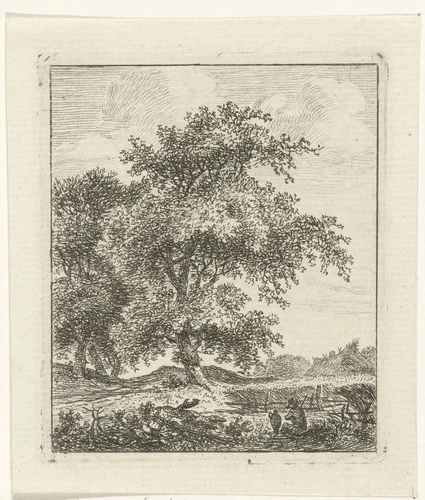
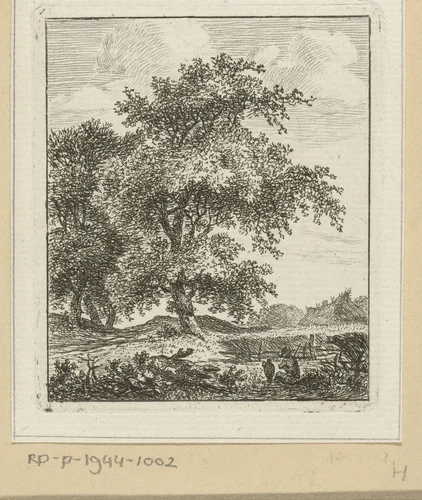
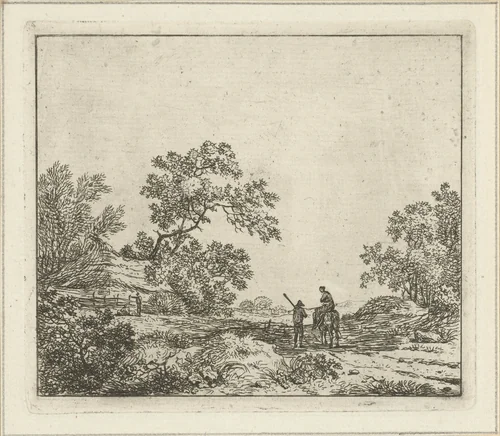
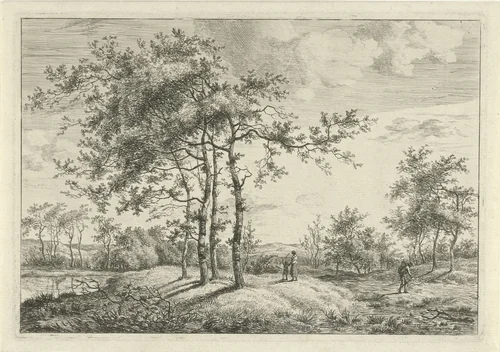
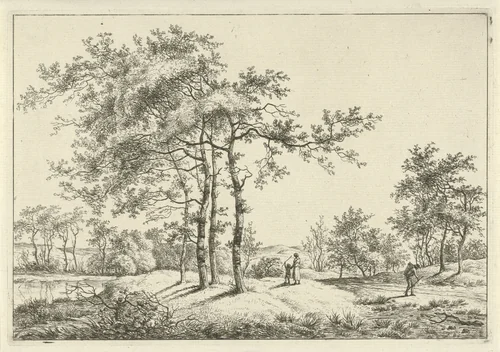
Fock’s known output includes thirteen documented prints and two drawings represented in major museum collections. His subject matter focused primarily on landscape and portraiture, ranging from detailed preparatory sketches to genre scenes. Specific works reflecting this stylistic range include the portrait study Portret van Geerlig Grijpmoed, the observational drawing Schets van bomengroep, and the naturalistic print Boerderij en schaapsherder. Fock also explored elements of classical landscape tradition, evidenced by the composition Arcadisch landschap met Janusbeeld.
Despite the small quantity of surviving works, Hermanus Fock’s legacy is established by his representation in globally significant institutions, including the Rijksmuseum and the Metropolitan Museum of Art. Today, many Hermanus Fock prints are archived as part of the public domain, allowing institutions and researchers to access high-quality prints of his eighteenth-century works.