Hermann Paul
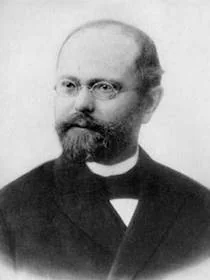
Hermann Otto Theodor Paul (1846–1921) holds a unique position in intellectual history, primarily recognized today as a rigorous German philologist, linguist, and influential lexicographer. Yet, a lesser-known but equally significant facet of his output resides in the striking visual works he produced, particularly a concise, potent series of prints active between 1894 and 1900. These works offer a rare glimpse into the fin-de-siècle anxieties and technical innovations of the late nineteenth century.
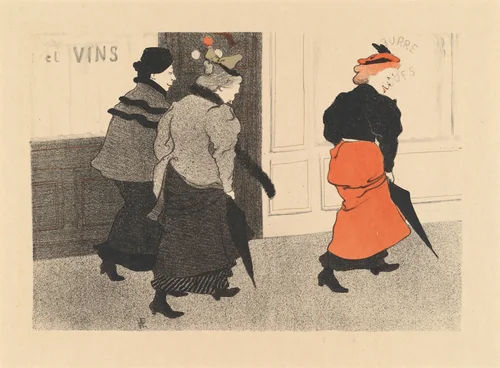
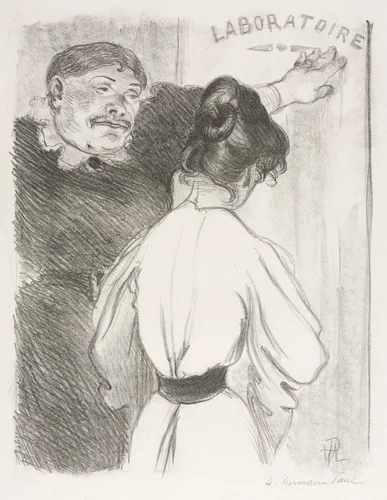
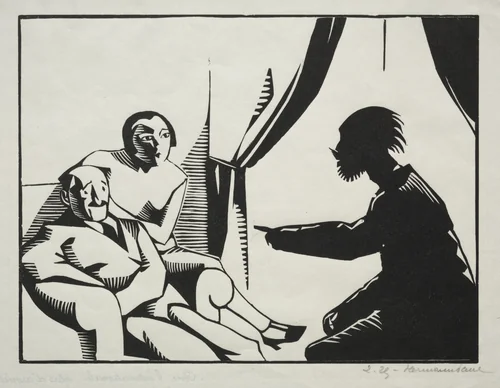
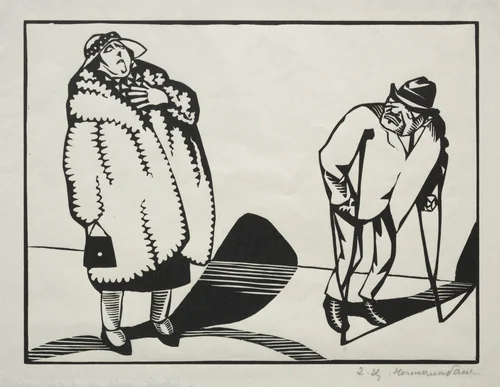
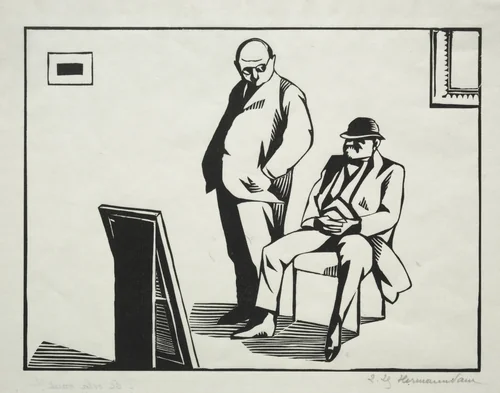
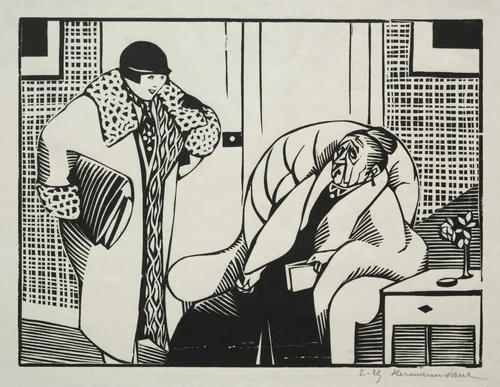
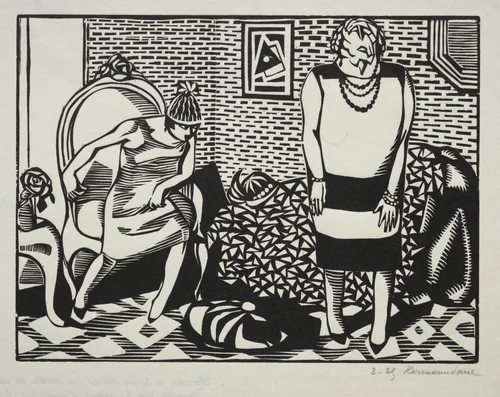
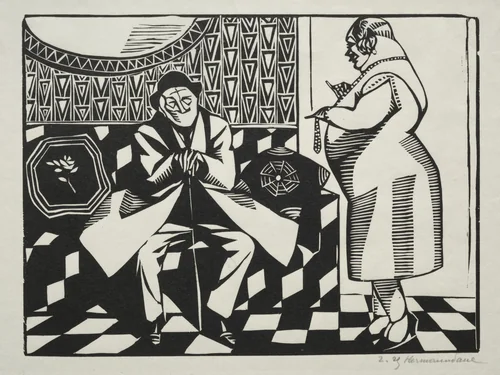
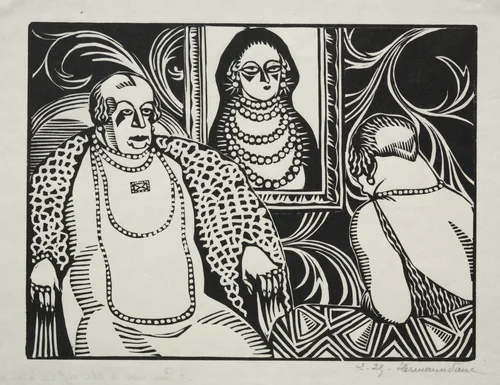
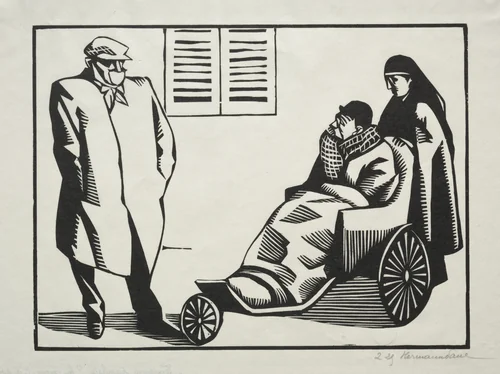
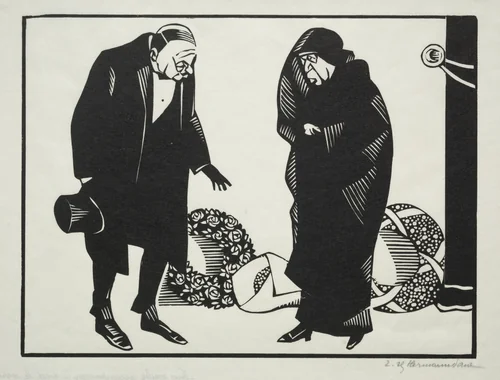
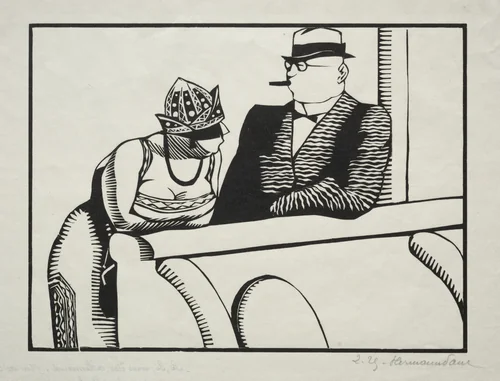
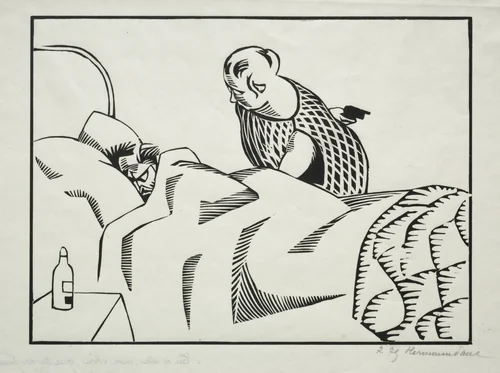
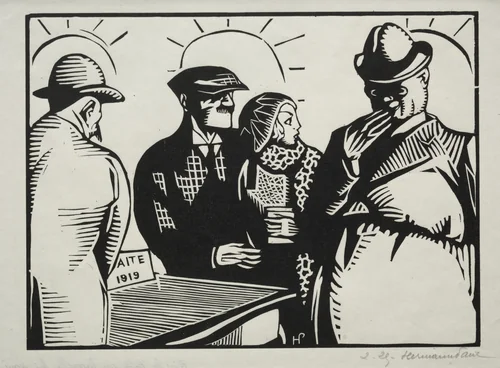
Though his primary professional contributions were academic-focused, culminating in the monumental Deutsches Wörterbuch, Paul’s foray into graphic art reflects the era’s blurring lines between high culture and commercial illustration. This limited corpus of approximately fifteen known prints showcases a keen observational eye, often employing dynamic compositional energy and a darkly humorous sensibility. Titles such as Milliners (Modistes) and Laboratoire document the evolving social and mechanical landscapes of urban life, capturing moments of precise human engagement with emerging industrial processes.
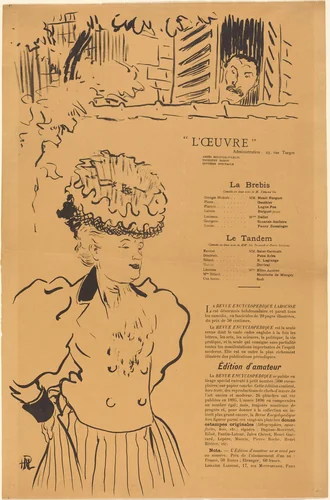
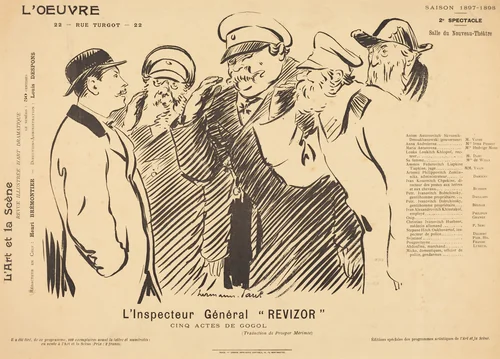
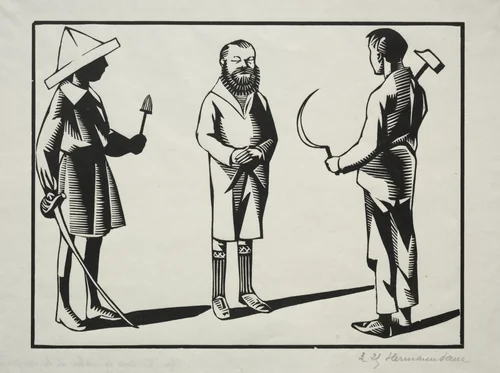
Paul demonstrated an exceptional aptitude for capturing motion and modernity within the rigid confines of printmaking. In works like La Brebis; Le Tandem, he utilizes stark contrasts and dramatic cropping, techniques that align him stylistically with contemporary graphic satirists. His print Les petits machines à écrire illustrates a playful, almost skeptical view of technological automation. His facility for visual narrative is perhaps best exemplified by L'Inspecteur Général Revizor, which suggests a deeper engagement with literary and dramatic themes.
The concentrated period of his artistic activity—roughly six years—produced highly distinct images, which today are considered museum-quality examples of late nineteenth-century illustration. Collectors, including the National Gallery of Art and the Cleveland Museum of Art, preserve these critical examples of his visual commentary. These historical artifacts are increasingly accessible as downloadable artwork, transitioning into the public domain and providing scholars and enthusiasts alike with high-quality prints that illuminate the complex intersection of academic rigor and artistic wit present in Hermann Paul’s dual career. His visual works remain a subtle, sophisticated complement to his foundational scholarly output.
Source: Wikipedia · CC BY-SA 4.0