Herman Naiwincx
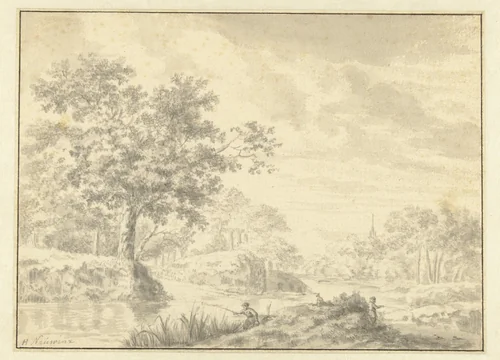
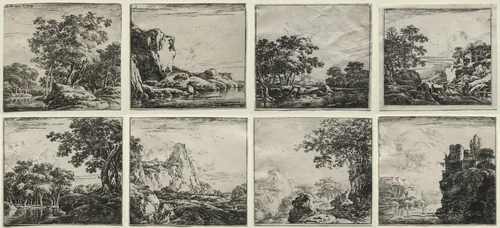
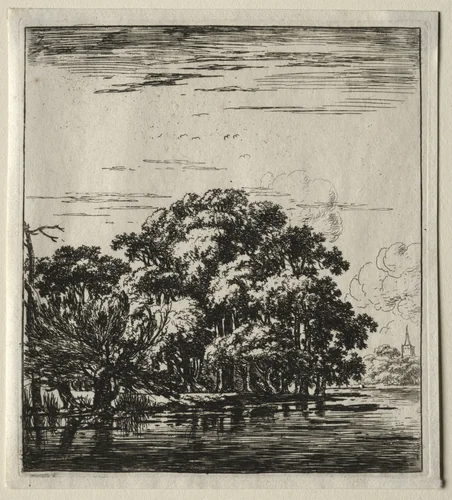
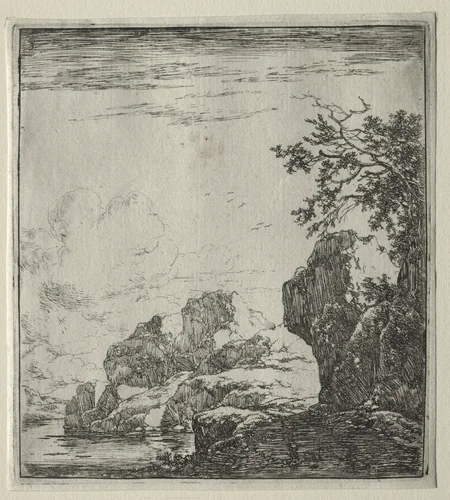
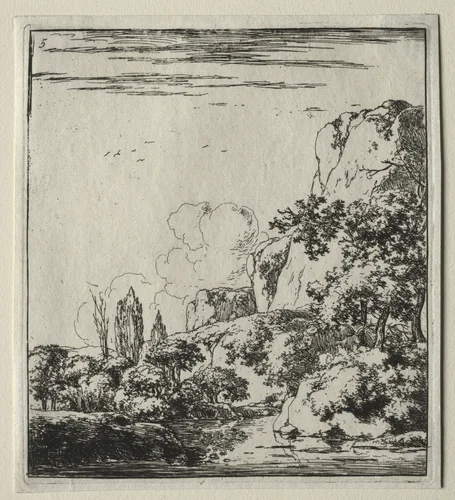
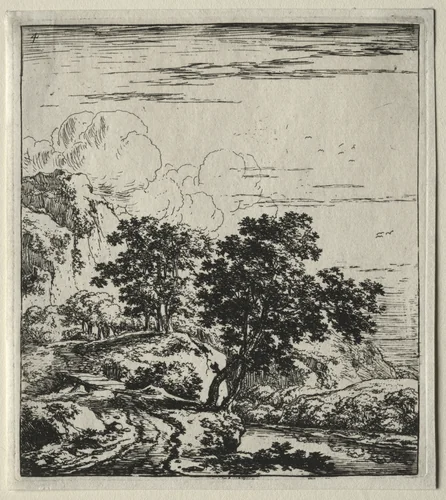
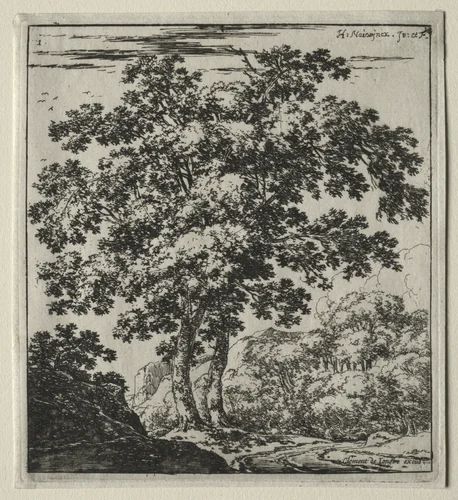
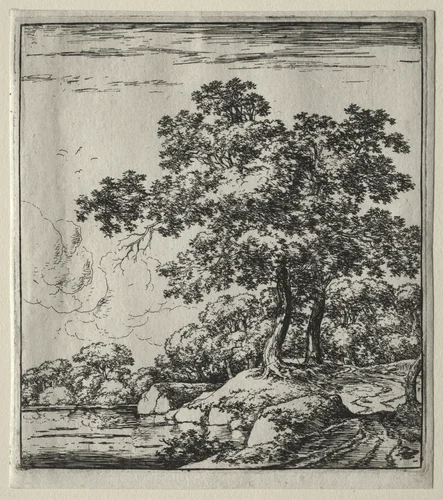
Herman Naiwincx holds a distinctive, highly specialized position within the expansive output of the Dutch Golden Age. Active for a relatively brief but potent span between 1633 and 1640, the artist is recognized primarily as a sophisticated printmaker and not for Herman Naiwincx paintings. His known surviving oeuvre consists almost entirely of fourteen meticulously detailed etchings and a singular drawing. This concentrated output, despite its scarcity, secured his place in major international collections, including the Rijksmuseum in Amsterdam and the Cleveland Museum of Art, reflecting the critical importance of the graphic arts tradition in 17th-century Northern Europe.
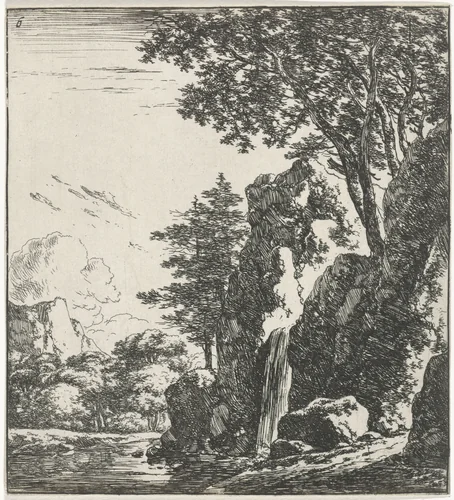
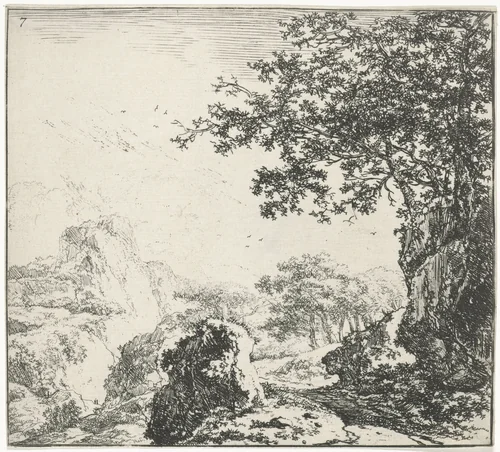
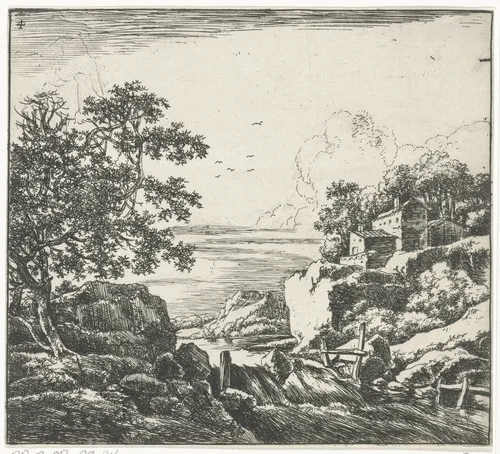
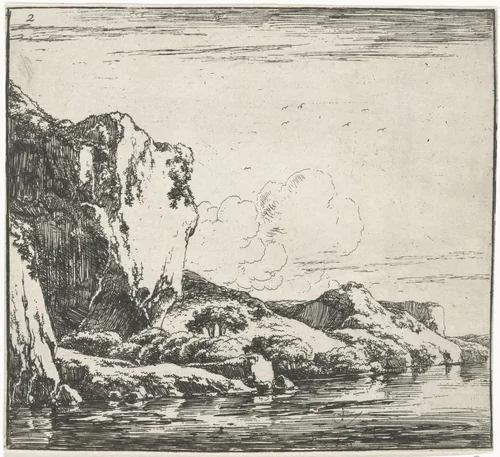
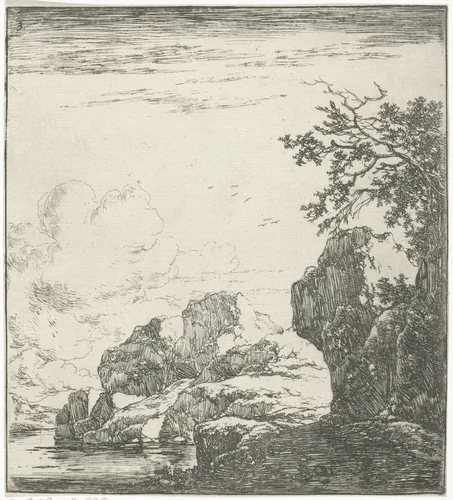
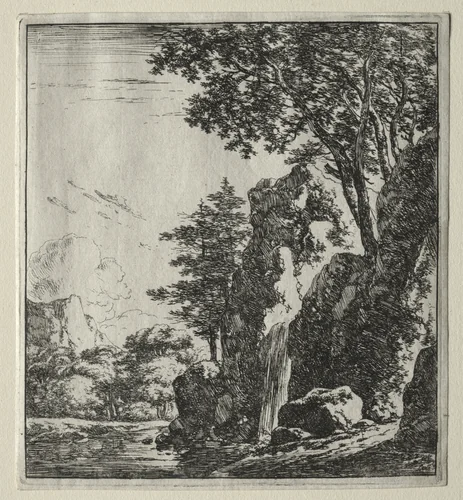
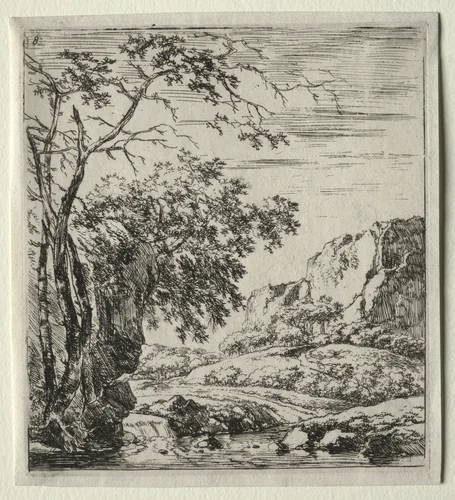
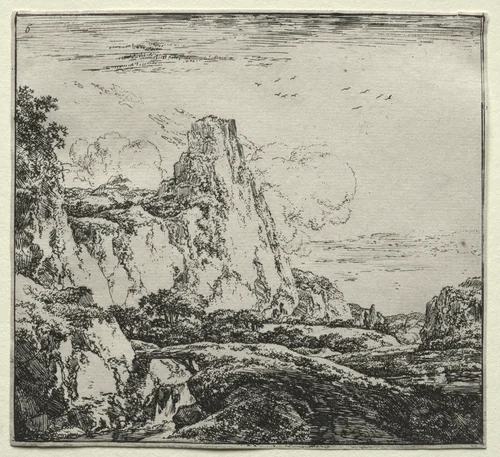
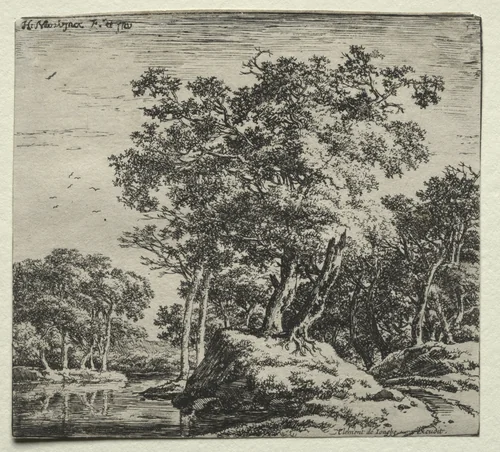
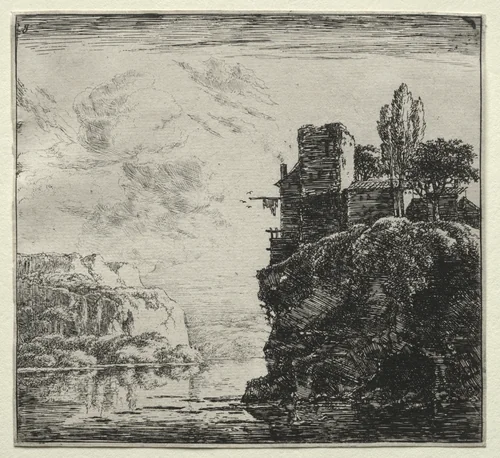
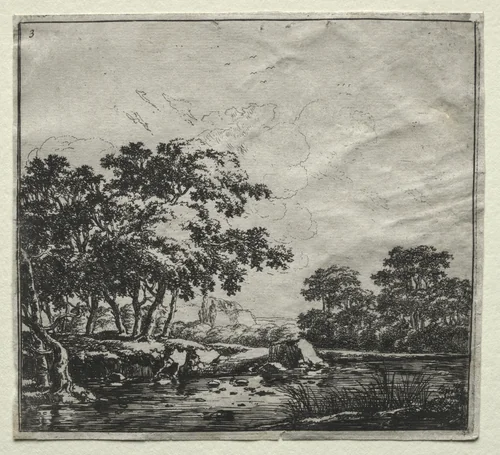
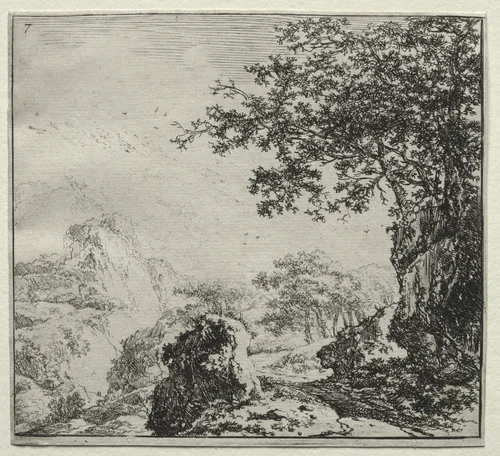
Naiwincx specialized in dramatic, often rugged, topographical renderings, distinguishing his work from the typically domesticated views favored by many of his Dutch contemporaries. Works such as Rotsen aan de rivier, Rots aan het water, and Berglandschap met een weg emphasize geological structure and dynamic natural forces. His prints are defined by deep shadow, contrasting textures, and the skillful depiction of water flowing over obstacles, exemplified by the kinetic energy captured in Landschap met stroomversnelling. He masterfully utilized the etching needle to create atmospheric depth and the illusion of immense scale, often compressing monumental landscapes onto small copper plates.
The scarcity of his surviving work suggests either a career cut short or perhaps an intensely selective production process, yet Naiwincx’s contribution to the landscape tradition remains clear. His specific attention to craggy cliffs and rushing water places him as an early proponent of the dramatic, untamed nature later explored by artists focused on the sublime. It is telling that an artist whose entire known catalogue could fit into a single small folio achieved such lasting institutional recognition.
Today, due to the natural progression of intellectual property laws, the majority of Naiwincx’s work is now in the public domain. These museum-quality works are often available as high-quality prints, maintaining the visibility of this focused printmaker centuries after his brief working period.
Source: Wikipedia · CC BY-SA 4.0