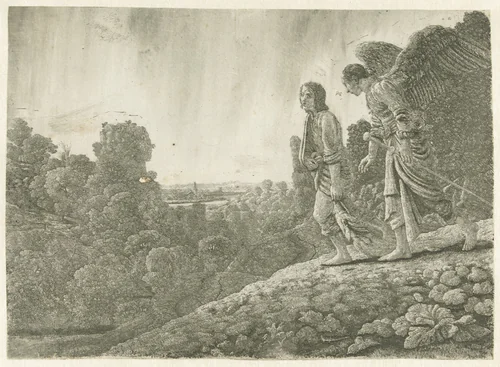
Hercules Segers
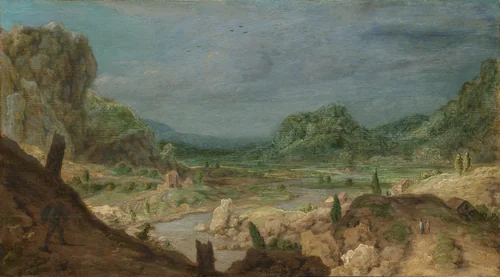
Hercules Pieterszoon Segers (c. 1589–c. 1638) stands as one of the Dutch Golden Age’s most fiercely independent and experimental practitioners. Though comparatively little of his work survives—only about fourteen known prints, one surviving drawing, and a handful of Hercules Segers paintings are securely attributed—his profound influence far outstrips the scarcity of his output. He is widely celebrated today by art historians as the period’s most inspired and original landscapist, distinguished by a uniquely dramatic vision that foreshadowed Romantic sensibilities.
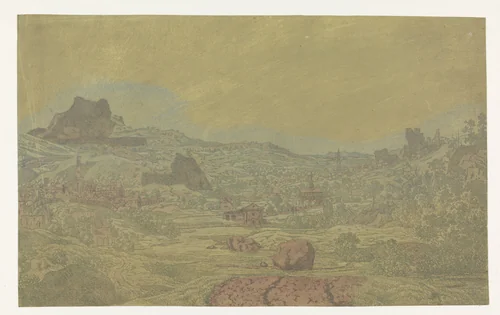
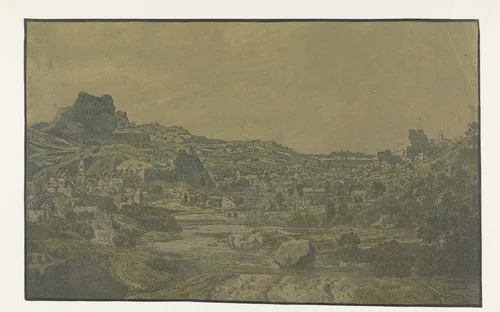
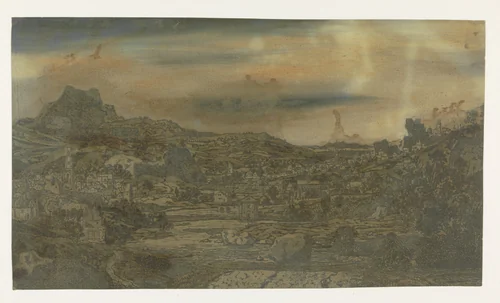
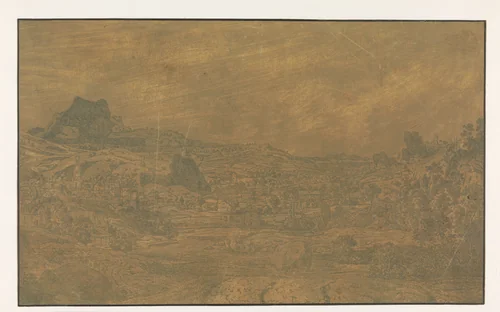
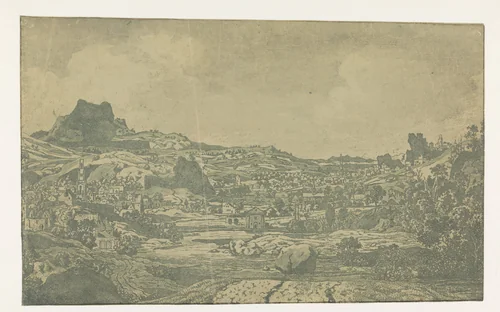
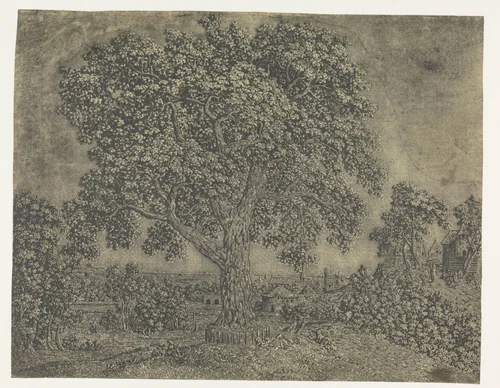
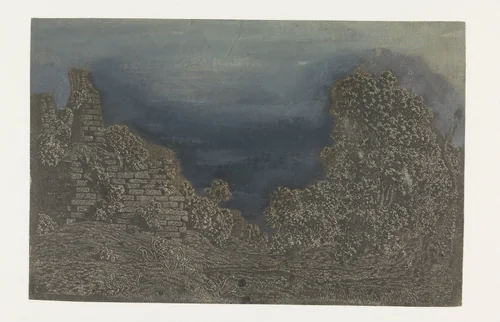
Segers viewed the natural world not as a backdrop for genre scenes but as a primary subject infused with solitude and immense scale, evidenced in compositions such as Fries met schepen op een rede and the monumental Roman Ruins, a City in the Distance. His true artistic revolution, however, occurred in the etching studio. Segers approached printmaking not merely as a reproductive technique, but as an exploratory artistic medium. He treated the copper plate like a canvas, employing unconventional processes and innovative materials to create unique, monotype effects.
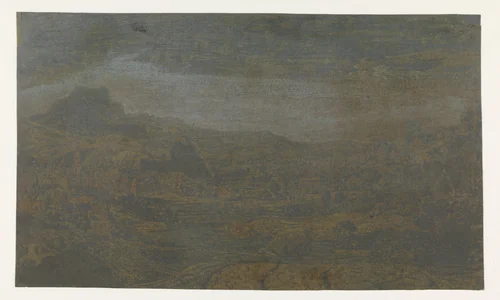
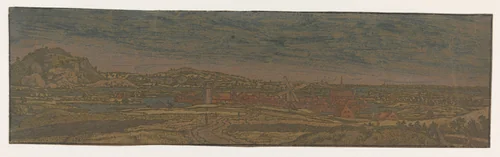
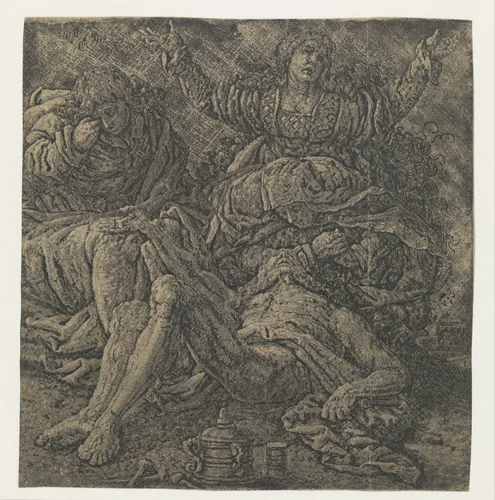
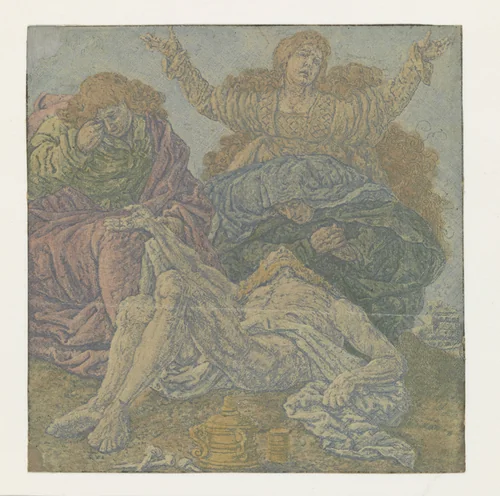
Rather than adhering to the era’s standard practice of producing standardized, uniform editions, Segers experimented relentlessly with texture and color. He would print a single plate on vividly colored paper, utilize varied inks, and often hand-finish the impressions with oil paint, ensuring that virtually every resulting work remained distinct. This radical commitment to singularity made him an even more innovative printmaker than painter, transforming the print into a unique object rather than a standardized multiple. His insistence that each impression of works like The Lamentation or A Rearing Horse before a Landscape be a singular creation ensured that no two collectors could ever truly possess the same work, frustrating cataloguers seeking clean chronologies for centuries to follow.
Today, despite the extreme rarity of his original output, the fundamental importance of Hercules Segers prints is recognized globally. His techniques profoundly influenced subsequent printmakers, most notably Rembrandt van Rijn, who owned several Segers plates and reworked them. Many major institutions, including the Art Institute of Chicago and the Rijksmuseum, now offer museum-quality digital scans of his rare compositions, providing access to this revolutionary body of downloadable artwork.
Source: Wikipedia · CC BY-SA 4.0