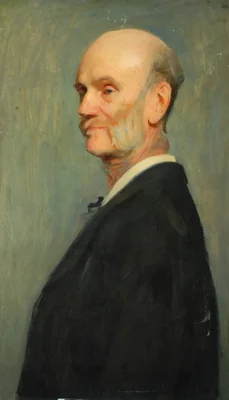
Hercules Brabazon Brabazon
Hercules Brabazon Brabazon holds a respected, if sometimes understated, position within the history of 19th-century British landscape painting. Active primarily in the decades between 1821 and 1840, the English artist dedicated his practice to the medium of watercolor, mastering the luminous and deeply atmospheric style often associated with the technical advancements of J.M.W. Turner. His surviving output, consisting predominantly of rapidly executed sketches and finished compositions, demonstrates a precise dedication to capturing the transient effects of light and weather.
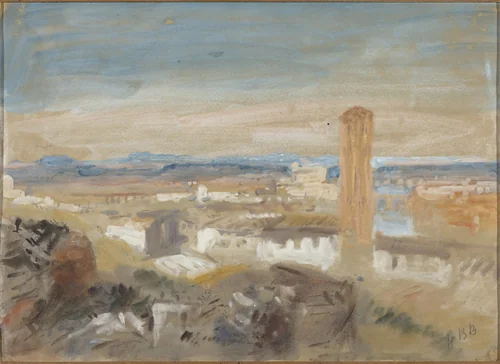
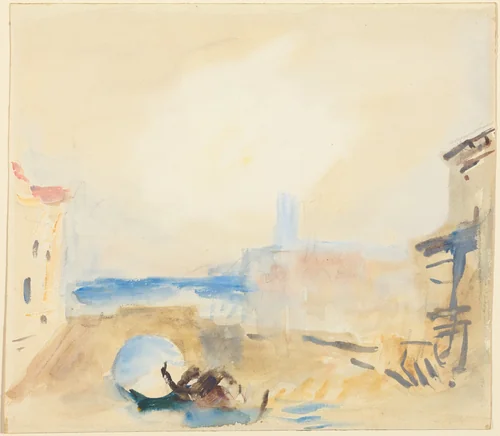
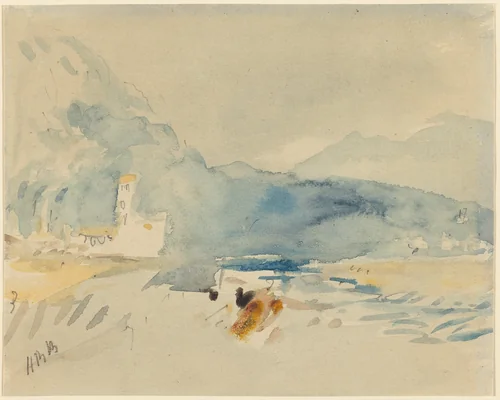
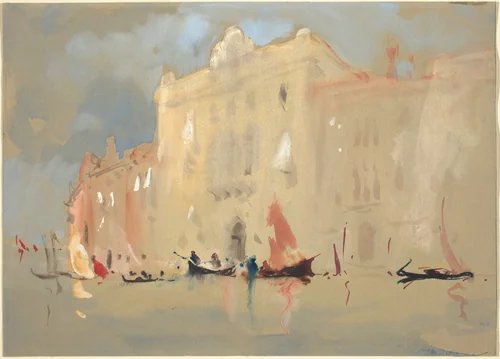
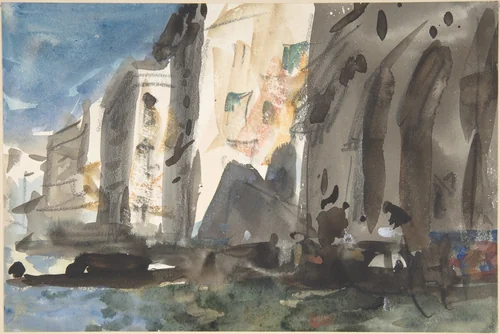
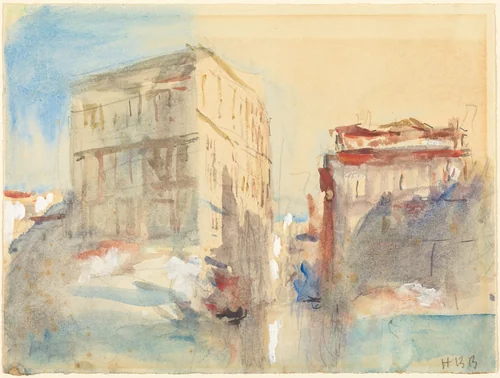
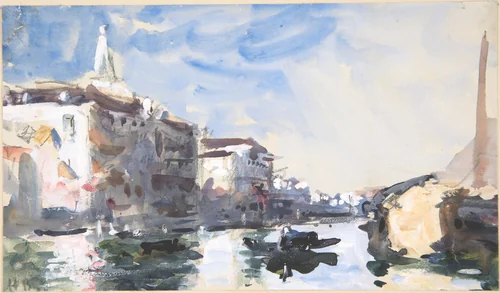
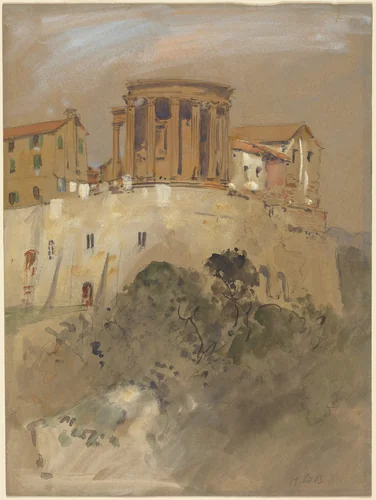
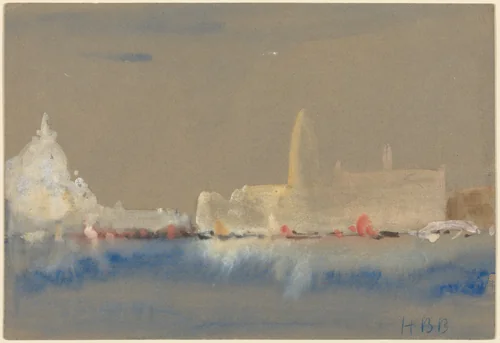
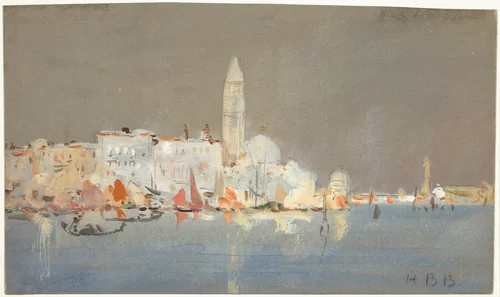
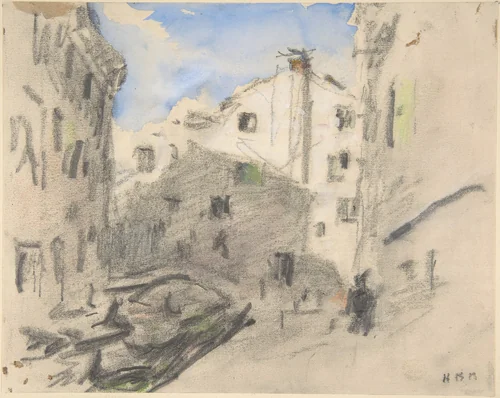
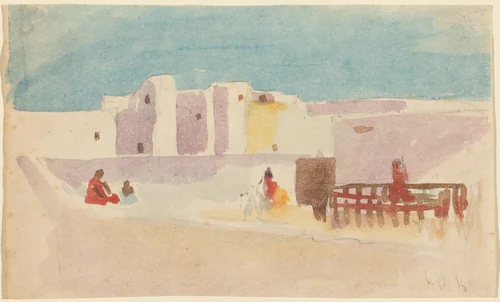
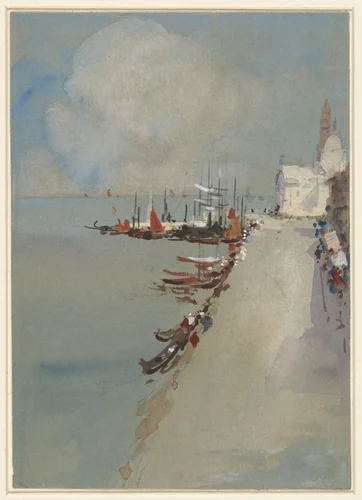
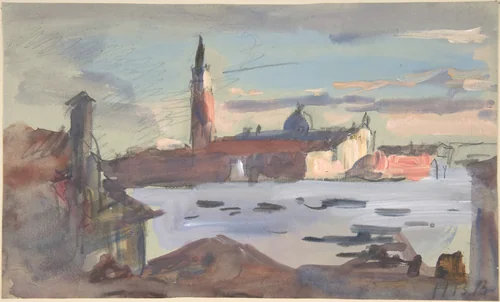
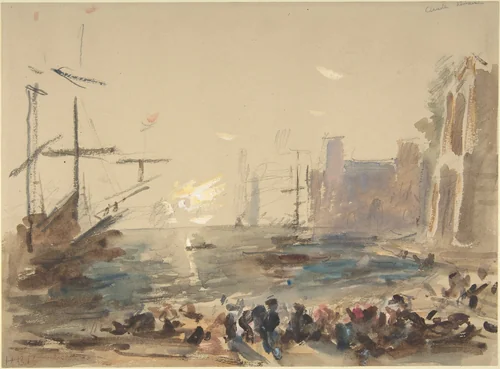
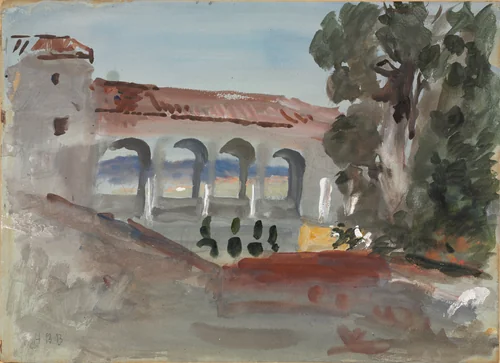
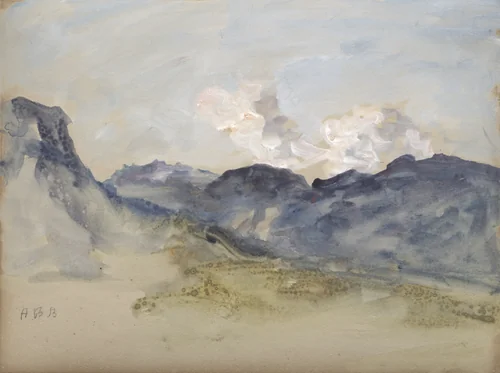
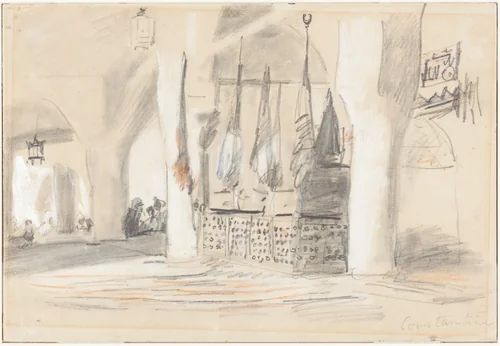
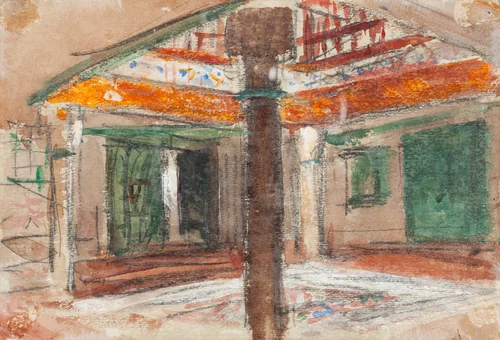
Brabazon traveled widely, a fact evident in the geographical range of his works. While capable of executing intimate domestic scenes, his greatest strength lay in grander, often historicized, vistas. The strong presence of Mediterranean subjects in his oeuvre showcases a fascination with classical antiquity and the romantic potential of decay. Works such as A Campanile among Ruins and the dramatic Venetian studies, including A Gondola Passing Under a Bridge in Venice and Gondolas Before a Palace on the Grand Canal in Venice, utilized sophisticated color washes to establish depth. Through this technique, Brabazon achieved a vibrant immediacy and expressive quality rarely matched by his contemporaries. He excelled not just in documentation, but in distillation, translating vast scenes like A Landscape with Mountains and a Stream into evocative, concentrated visual poems.
Despite his clear talent and prolific production of Hercules Brabazon Brabazon paintings and drawings, the artist maintained a certain distance from the commercial pressures of the professional art world. This subtle detachment allowed him an unusual freedom of experimentation throughout his active period. Today, the enduring quality of his finest work is widely acknowledged. Significant examples are held in major international institutions, affirming his technical prestige; these include the Metropolitan Museum of Art, the Rijksmuseum, and the National Gallery of Art. This placement confirms the museum-quality standard of his sketches and watercolors. The ongoing public interest in his unique vision has led to many of his classic studies entering the public domain. Consequently, many high-quality prints and downloadable artwork files are available, allowing broader public access to his distinct interpretation of the Romantic landscape.
Source: Wikipedia · CC BY-SA 4.0