Herbert Marsh
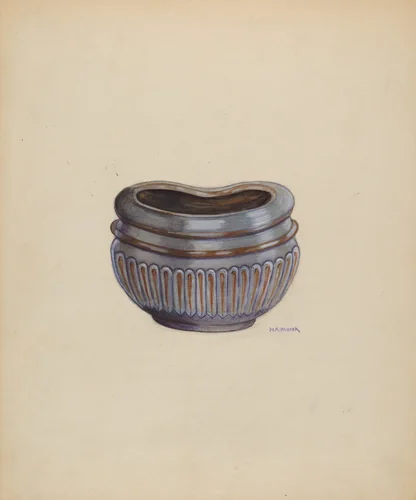
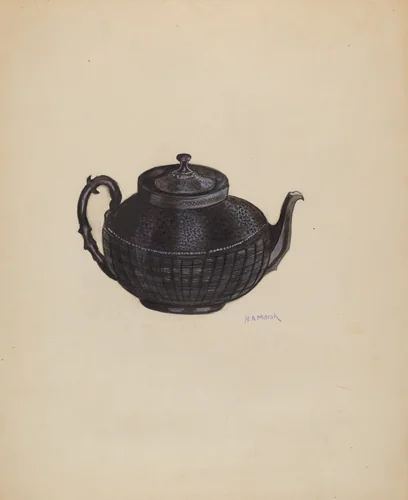
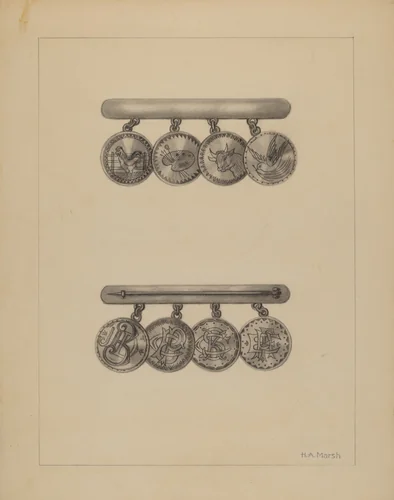
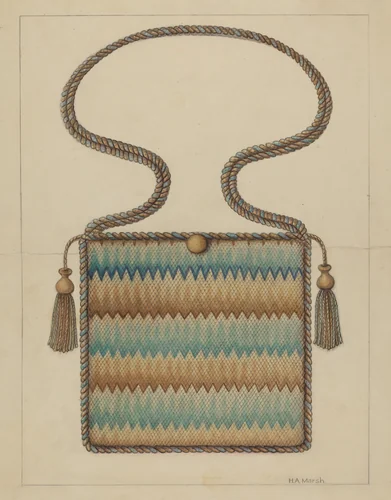
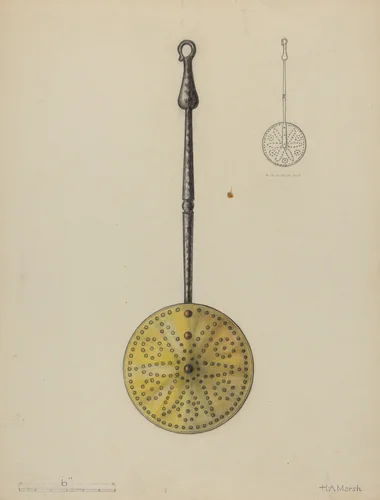
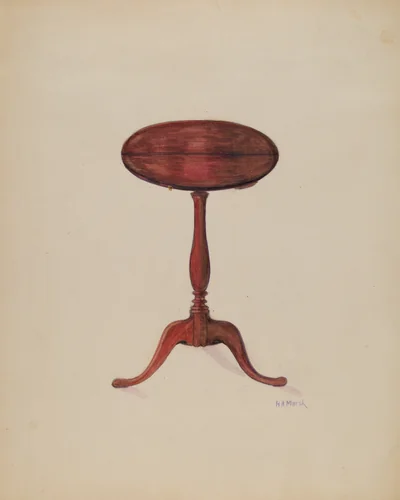
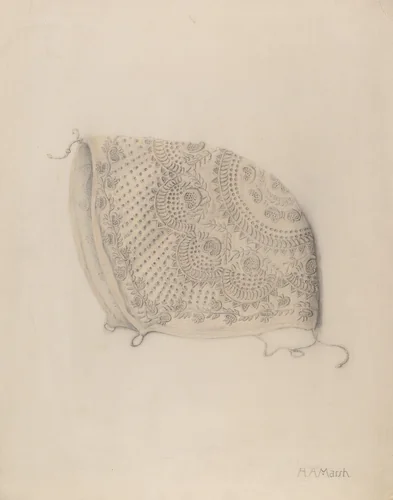
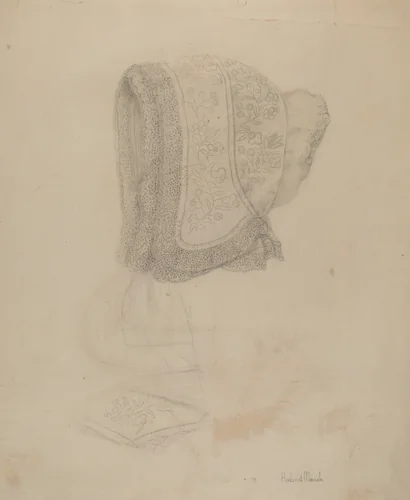
Herbert Marsh, active during the crucial period of the American Depression (1935-1937), played a focused yet important role within the ambitious Federal Art Project’s Index of American Designs (IAD). Marsh is distinguished not by massive output, but by the precise technical fidelity and clarity present in his fifteen documented index submissions, now housed in the collection of the National Gallery of Art.
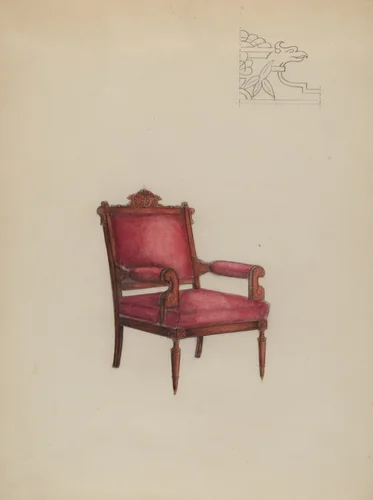
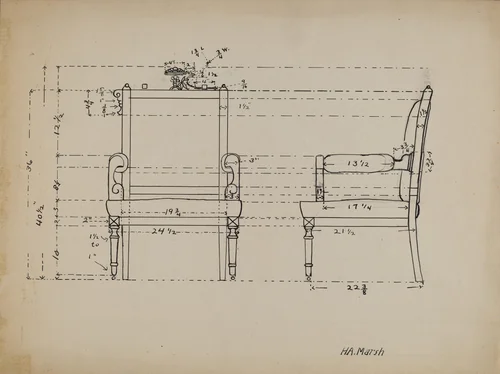
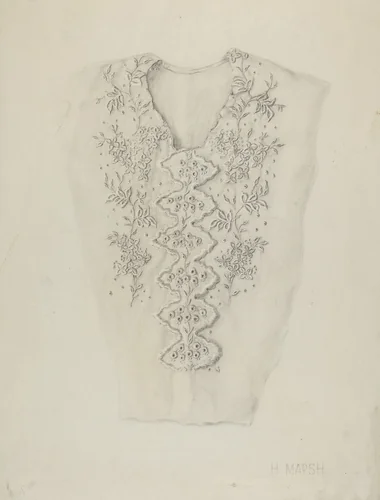
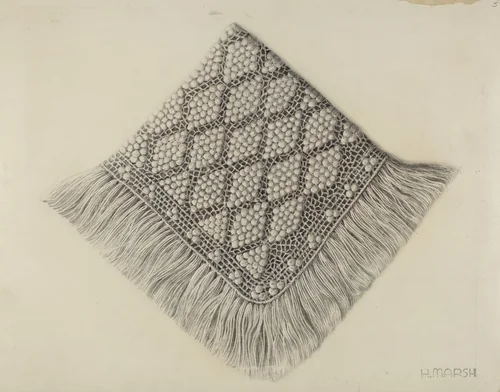
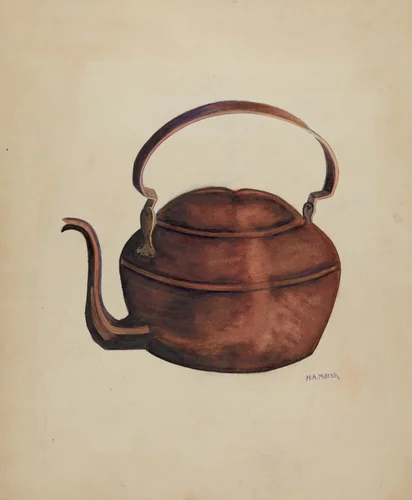
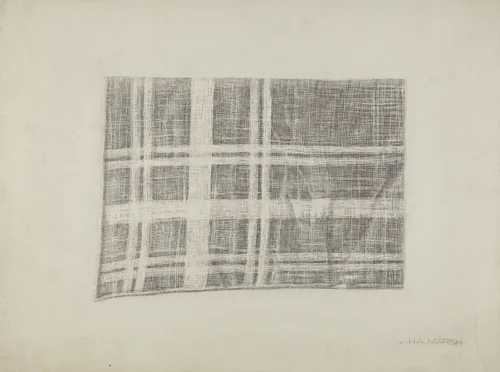
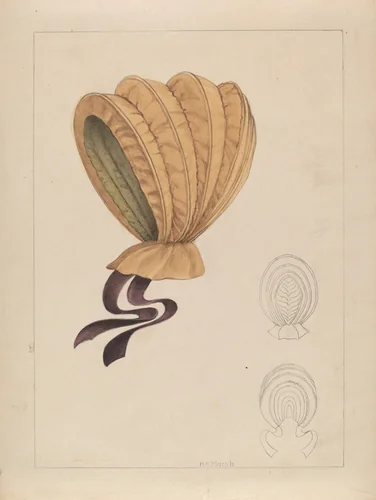
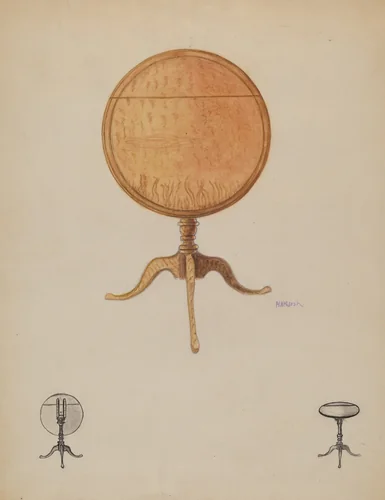
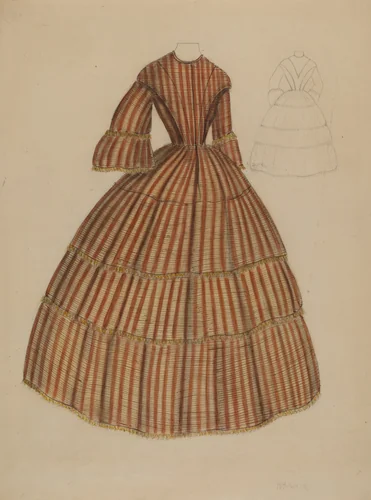
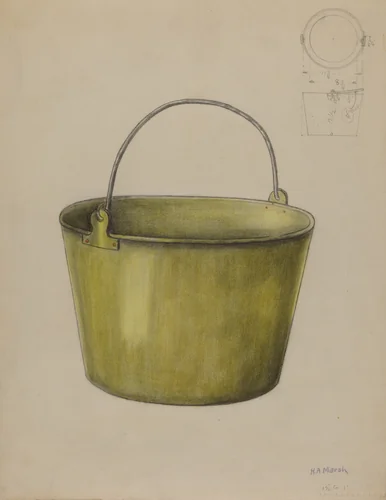
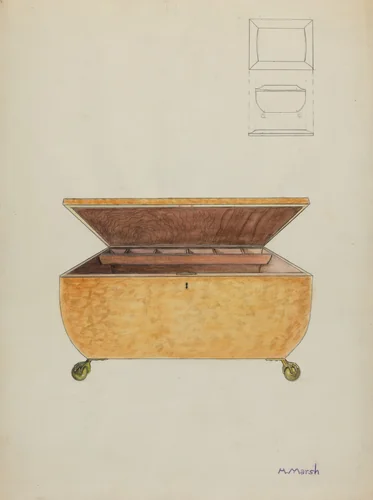
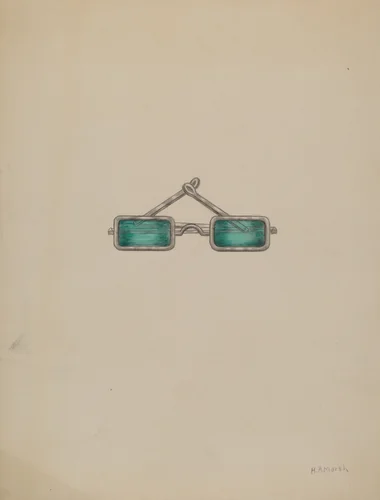
The IAD sought to preserve visual documentation of American decorative and applied arts across three centuries, moving beyond fine art to catalog the nation's material heritage. Marsh’s specialization lay in meticulously recording utilitarian objects and early American textiles, illustrating their form and construction with exacting draftsmanship. His contributions ranged across categories, detailing the functional geometry of the Arm Chair and Chair, capturing the simple elegance of the Tea Kettle, and meticulously rendering the complex patterning of the Crochet Doily and Cotton Vestie. These studies provided necessary, museum-quality documentation vital for educators and designers of the period.
These works, produced under the auspices of the government, have secured a legacy that extends far beyond the brief two-year window of his known activity. Because the IAD was a federally funded program, Marsh’s visual documentation is widely available today. Scholars, designers, and enthusiasts often seek high-quality prints of these technical studies, appreciating the precise line work and historical value inherent in these records of American domestic life. Much of this material is now readily available as downloadable artwork, continuing the project’s initial democratic mission to provide free access to cultural resources.
While the artistic record is firmly established by these careful technical drawings, the biographical data surrounding the artist Herbert Marsh remains slender. It is a curiously intriguing footnote of history that the contemporary figure bearing this name was also a distinguished bishop in the Church of England, a juxtaposition that underlines the often-anonymous, yet deeply necessary, contributions made by artists to the comprehensive cataloging of the American scene during the New Deal era.
Source: Wikipedia · CC BY-SA 4.0