Henry Wolf
Henry Wolf (1925–2005) stands as a pivotal figure in American visual culture, fundamentally reshaping magazine design during the mid-twentieth century. An Austrian-born graphic designer, photographer, and art director, Wolf leveraged sophisticated composition and wit to redefine the look of influential American publications in the 1950s and 1960s. His tenure at Esquire, Harper’s Bazaar, and later Show magazine established a new benchmark for editorial aesthetics, marked by bold, minimalist layouts, elegant typography, and arresting, often whimsical cover photographs.
Wolf’s influence was immediately evident when he took the helm at Esquire in 1953. Eschewing the cluttered design norms of the preceding decades, he championed stark white space and visual clarity, creating pages that prioritized singular impact over density. He famously treated the magazine page not just as a vehicle for text, but as a dynamic design field—an approach that elevated commercial magazine publication to an art form. His subsequent move to Harper's Bazaar allowed him to apply this same modernist sensibility to fashion and culture, often integrating surreal or unexpected photographic elements that remain widely studied today. One understated observation about Wolf's career is his mastery of making visual complexity appear effortless—a hallmark that continues to inspire current graphic standards.
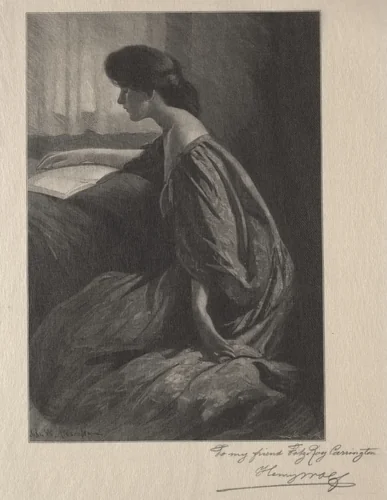
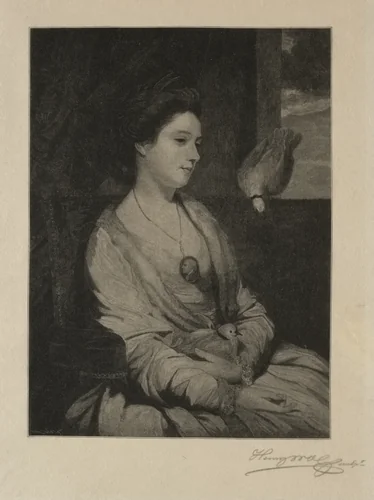
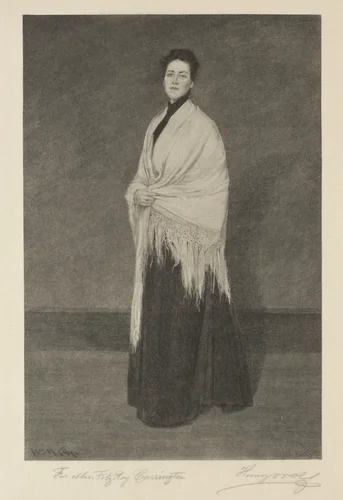
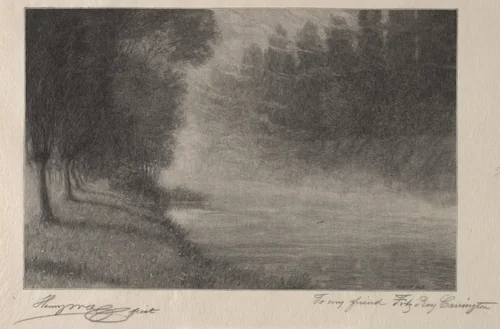
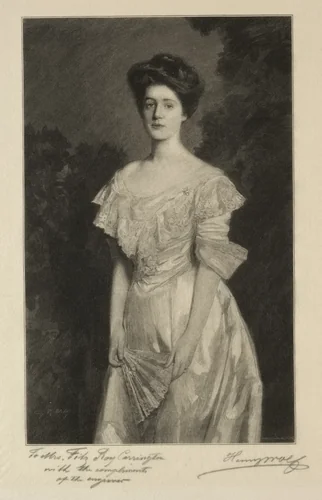
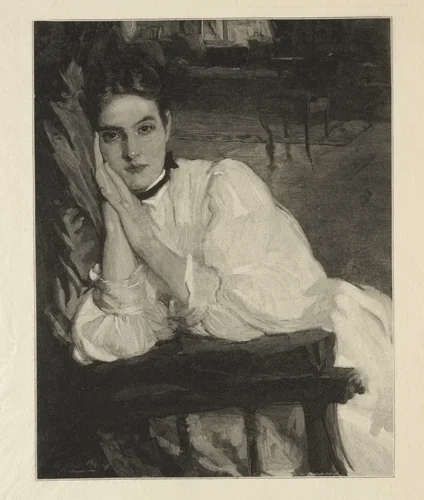
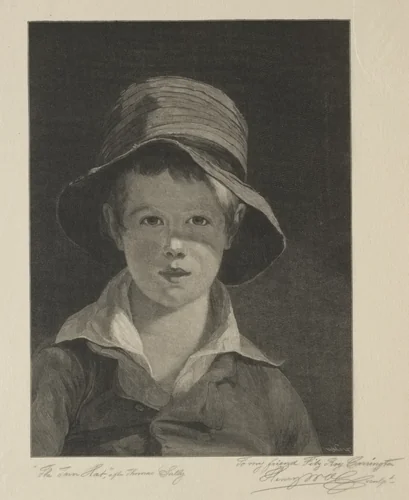
Beyond editorial direction, Wolf maintained an active practice as a commercial designer and photographer. In 1971, he established Henry Wolf Productions, focusing on corporate identity, advertising, and consultation while simultaneously dedicating time to instruction, teaching magazine design and photography courses. His prolific output across various graphic media, including commercial illustration and fine art prints, ensures his work remains accessible; institutions such as the Cleveland Museum of Art and the National Gallery of Art hold significant collections of his material, securing his place in the history of design.
Recognized for his profound and enduring contribution to the field of visual communication, Wolf received the American Institute of Graphic Arts Medal for Lifetime Achievement in 1976. Four years later, he was inducted into the prestigious New York Art Directors Club Hall of Fame in 1980. His legacy is one of elegant innovation, demonstrating the power of design to dictate, rather than merely follow, cultural trends.