Henry William Bunbury
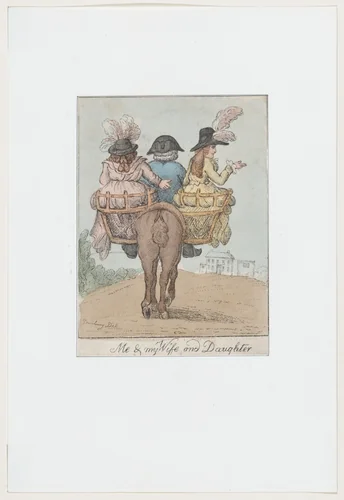
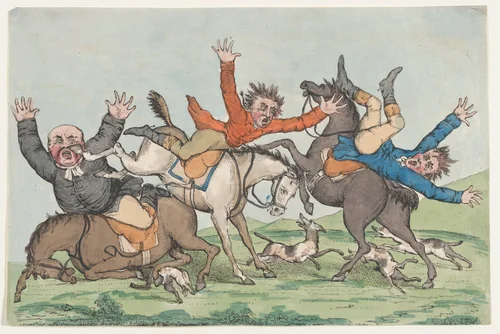
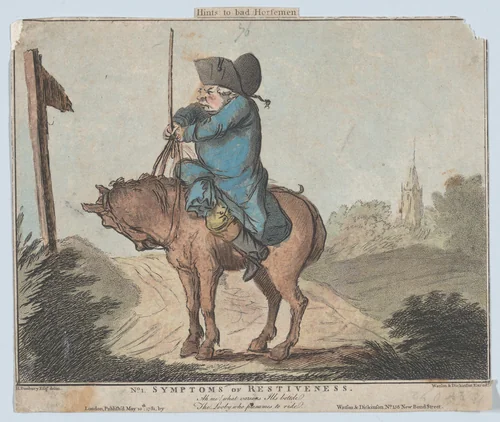
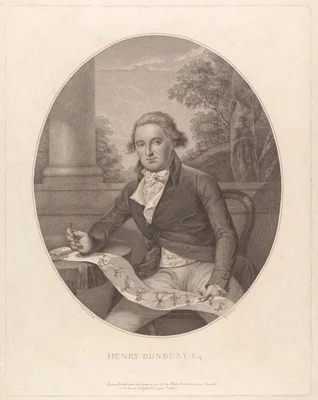
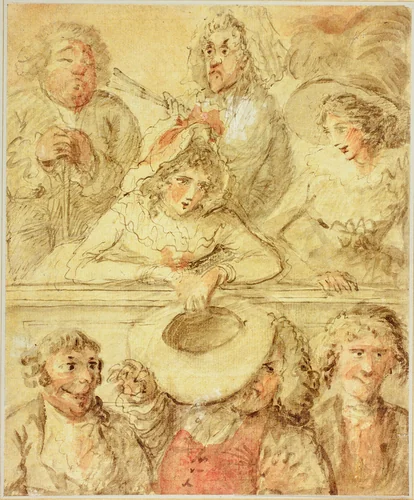
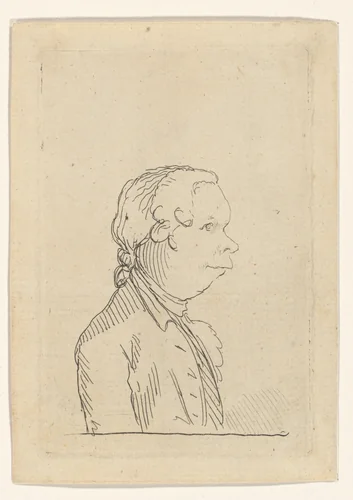
Henry William Bunbury (active 1750-1771) was a prominent English graphic satirist whose brief but influential career helped define the humorous social commentary of the Georgian era. Born into an established family as the second son of the 5th Baronet of Mildenhall, Suffolk, Bunbury received a distinguished education, first at Westminster School and subsequently at St Catharine's College, Cambridge. It was during these formative years that his natural aptitude for drawing emerged, focusing almost exclusively on humorous subjects and caricature.
Bunbury's artistic development was significantly shaped by an extended tour of Europe that required him to temporarily abandon his studies at Cambridge. This journey indicates a determined professional pivot toward art, and archival evidence suggests he may have undertaken specialized study while in Rome. Although he returned to the college in 1771, he did not complete his degree, cementing his focus on a career in drawing.
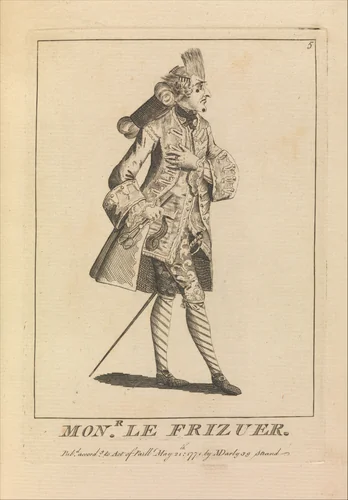
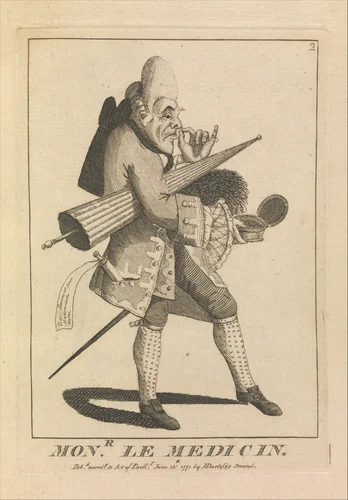
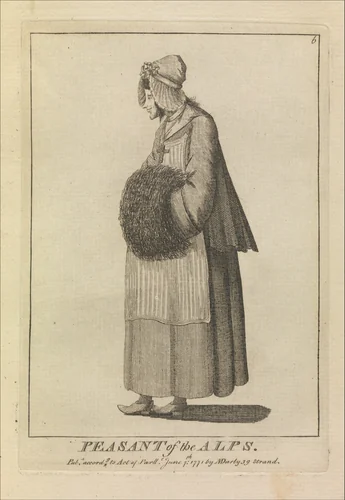
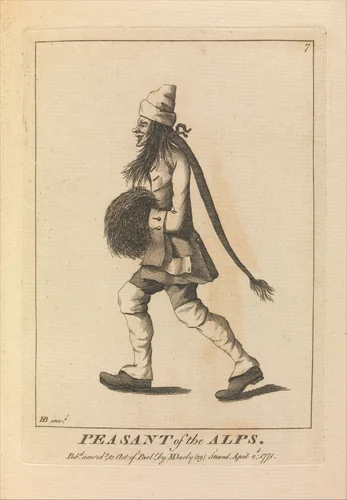
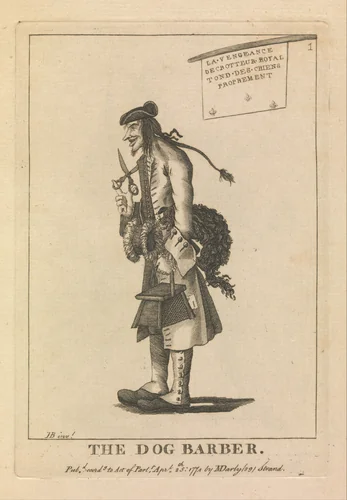
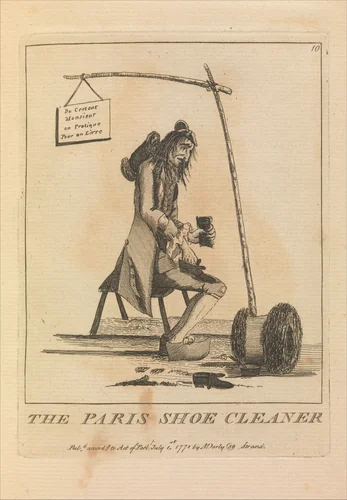
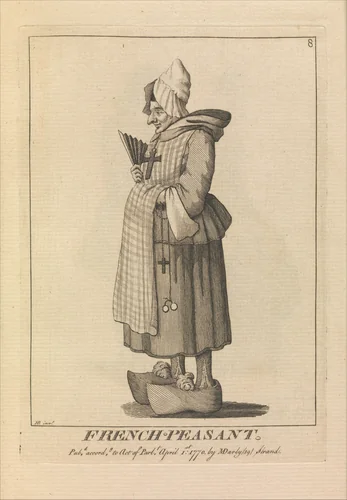
The European travels immediately provided rich material for his burgeoning satirical output. Bunbury channeled his observations into works that wryly mocked continental manners and fashions, establishing himself as a keen observer of foreign idiosyncrasy. It is perhaps noteworthy that the same young man who journeyed across Europe used his extensive experience chiefly to laugh at the people he met. This period of intense productivity yielded early recognition, notably with the successful exhibition of his caricature La Cuisine de la Poste at the Royal Academy in 1770.
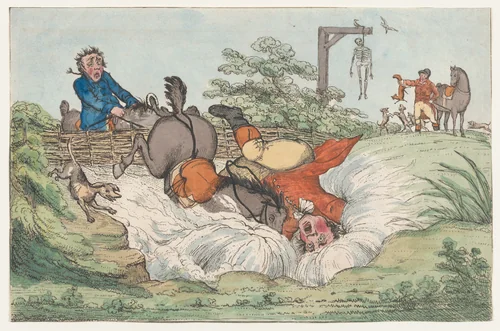
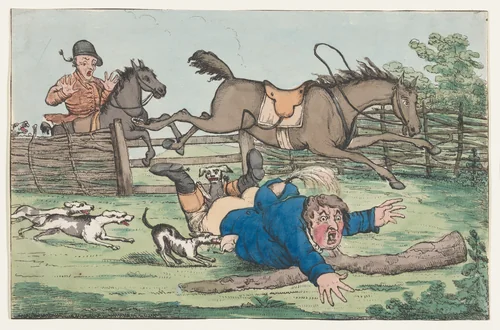
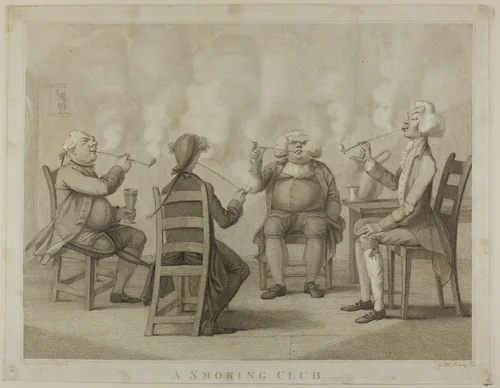
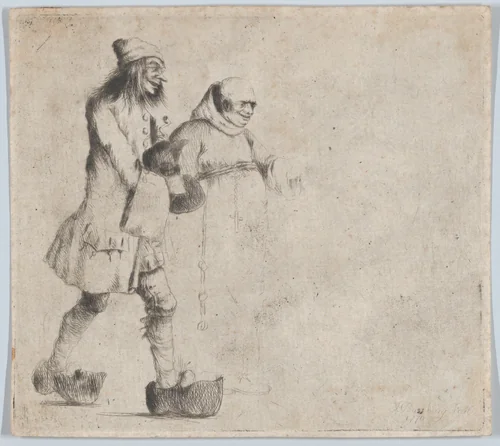
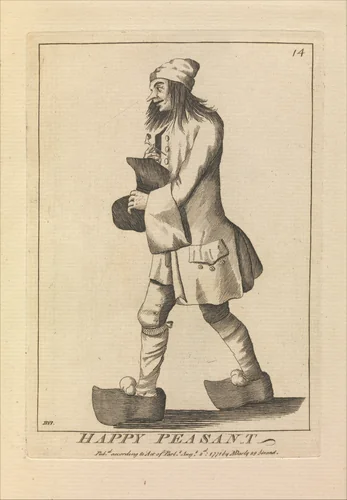
His surviving corpus, which includes the well-known prints A Smoking Club and Happy Peasant and Monk, offers a vivid, often affectionate, portrayal of 18th-century social customs and class distinctions. Though his active period was relatively concise, his legacy endures. Today, Henry William Bunbury prints are housed in major international repositories, including the Metropolitan Museum of Art, the Cleveland Museum of Art, and the Rijksmuseum. Furthermore, the longevity of his work ensures that it resides securely within the public domain, allowing modern researchers and enthusiasts access to high-quality prints and downloadable artwork.
Source: Wikipedia · CC BY-SA 4.0
![Mastigeus [in Greek letters] by Henry William Bunbury, print, 1771](https://img.artbee.org/7ef47361-e9ec-4b46-894c-0b578a80a2e0/small.webp)