Henry Stacy Marks
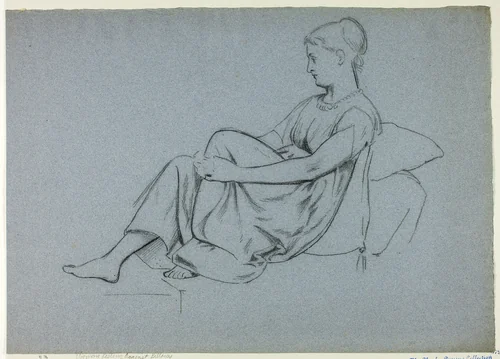
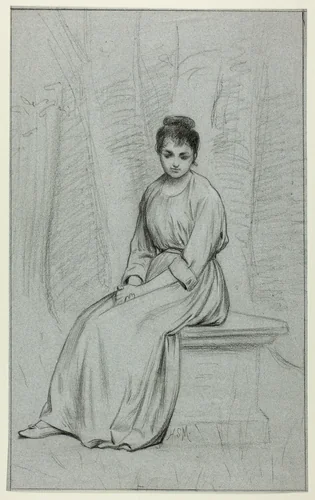
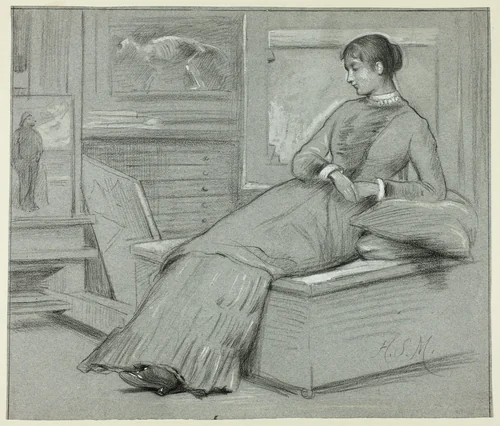
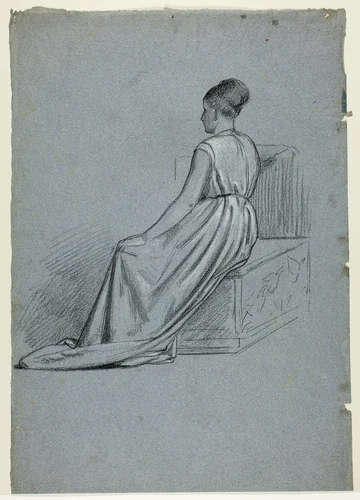
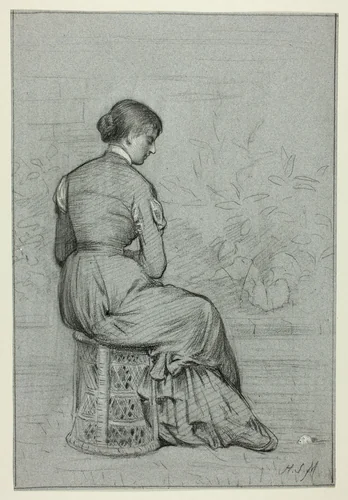
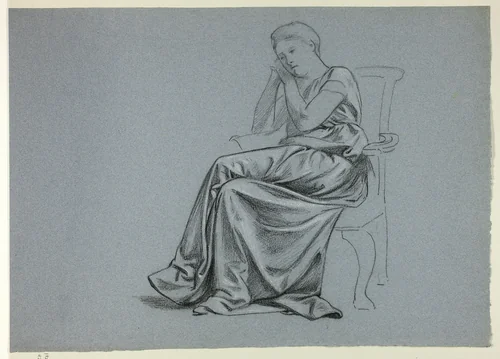
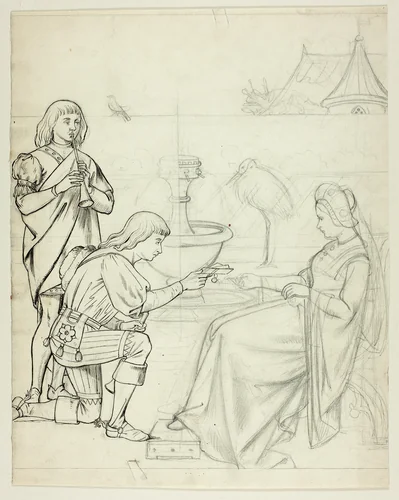
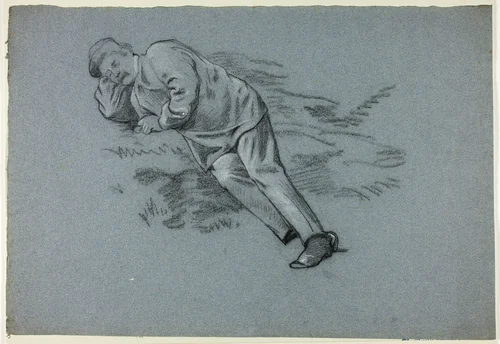
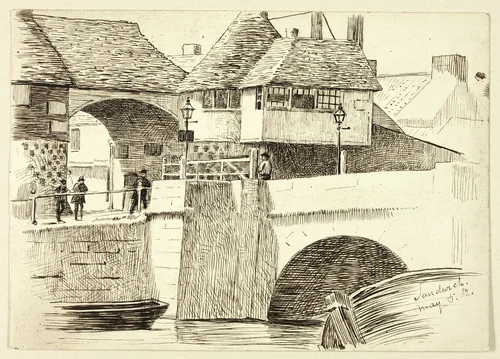
Henry Stacy Marks (1829-1898) was a distinguished British painter and illustrator whose career charted a distinctive course through the major thematic currents of Victorian art. Early in his career, Marks demonstrated a strong inclination toward historical narrative and literary source material, focusing intensely on Shakespearean and medieval themes. His technical discipline was established through traditional media, including substantial works in oil, alongside early preparatory drawings completed between 1844 and 1849, such as the precise architectural study Archway Leading to Grammar School, Bristol.
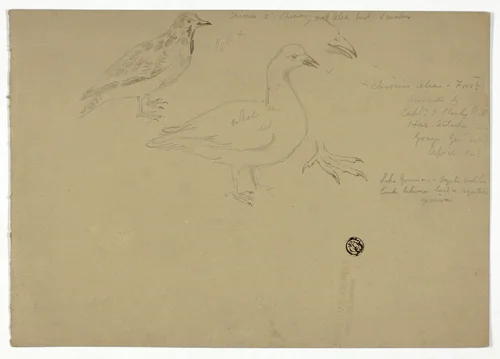
Marks proved versatile across media, transitioning seamlessly between painting, large-scale mural commissions, and delicate watercolours. While his initial output was rooted in history painting, his practice evolved considerably, eventually centering on a unique form of decorative art. This later work, which defined his public reputation, was dominated by lively, often whimsical, depictions of ornithologists, birds, and integrated landscapes. Mastering the detailed rendering of avifauna, a skill glimpsed even in early studies like Sketches of Poultry, Marks injected a scientific rigor into compositions that retained a light, anecdotal humor, setting them apart from the era’s more solemn aesthetic concerns.
Marks was highly engaged in the contemporary art community, notably serving as a founding member of the St John’s Wood Clique. This informal group of London artists played a key role in shaping the exhibition culture of the period. Known among his peers for his geniality and memorable, humorous performances, Marks channeled this spirited disposition into the subtle wit characterizing his drawings and final compositions. While significant Henry Stacy Marks paintings and preparatory sketches are held in major public collections, including the Art Institute of Chicago, the enduring appeal of his distinct decorative style ensures that high-quality prints remain popular among collectors seeking the charm and precision of Victorian naturalism.
Source: Wikipedia · CC BY-SA 4.0