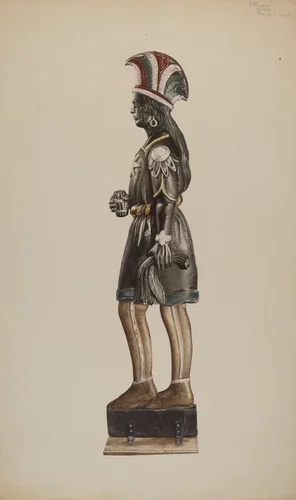
Henry Murphy
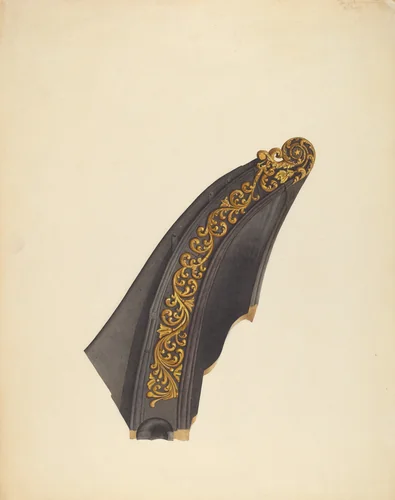
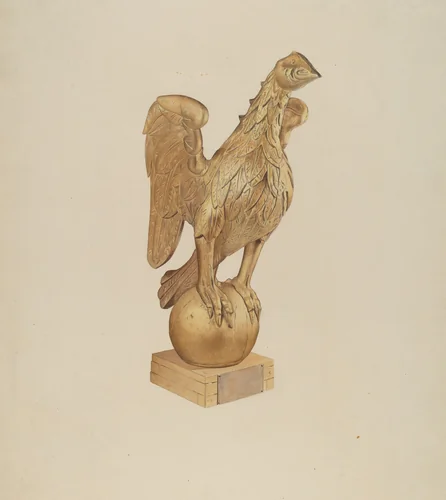
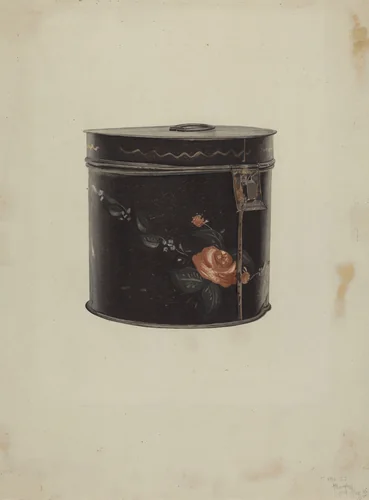
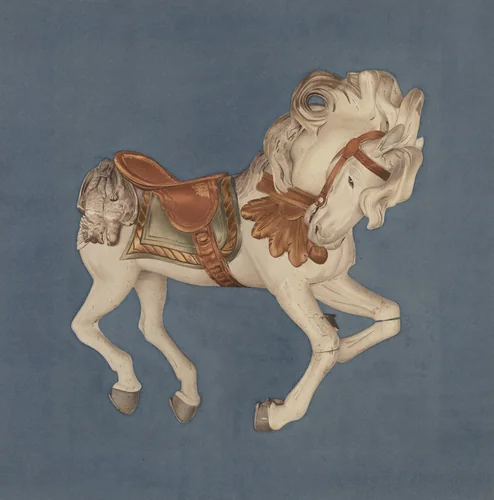
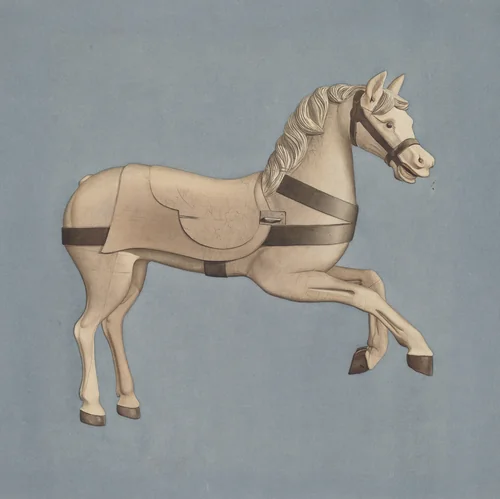
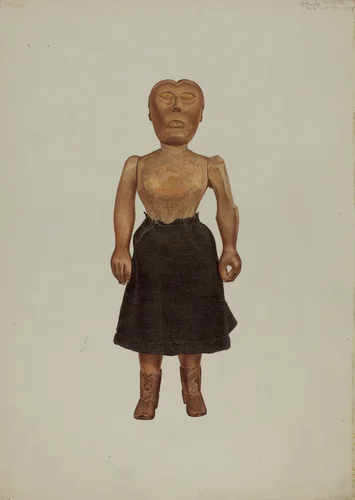
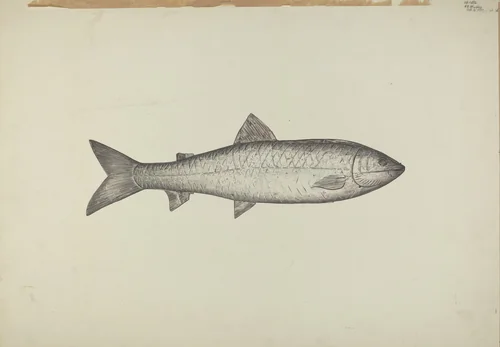
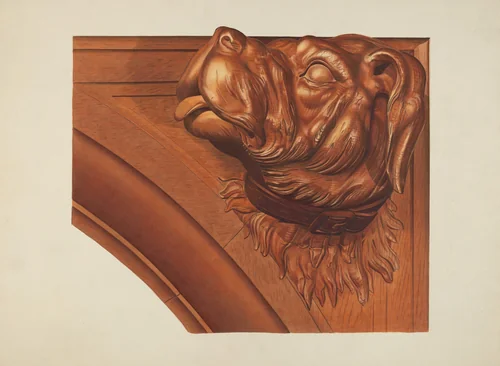
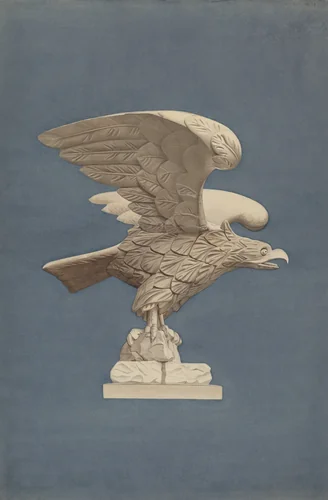
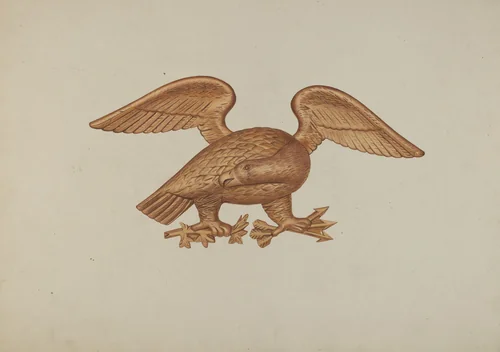
Henry Murphy holds a distinct place in American art history, primarily recognized for his essential contribution to the Index of American Design (IAD), an ambitious federal arts initiative of the mid-1930s dedicated to documenting the nation’s vernacular material culture. Active between 1935 and 1937, Murphy completed fifteen meticulously rendered designs for the project, artworks that served not only as documentary records but also as singular artistic achievements. These works are now held in the prestigious collections of the National Gallery of Art.
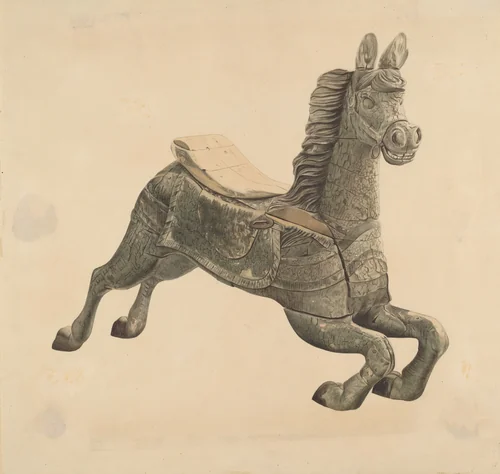
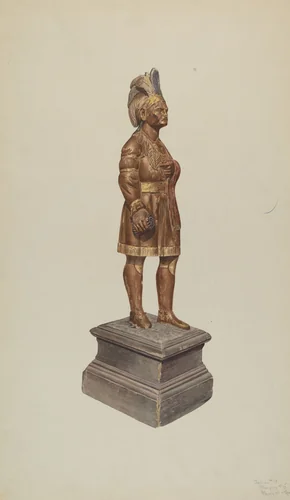
The IAD sought to preserve the visual record of traditional American crafts and decorative arts, often overlooked in mainstream art historical discourse. Murphy’s specific renditions reflect this mission, capturing with forensic detail and precision the form and texture of objects that define the domestic and commercial environments of earlier eras. His subjects range widely, illustrating the startling heterogeneity of early American folk arts: the architectural rigor of the Banister Back Chair, the dynamic charm of the Carousel Horse, and the controversial yet historically significant portraiture found in figures like the China Headed Negro Doll and the imposing Cigar Store Indian.
Murphy’s technique, typically executed in watercolor or tempera, lends an unexpected dignity to these ordinary artifacts. He avoids idealization, instead using sharp definition and clear perspective to ensure accuracy, thereby generating museum-quality visual data. This rigorous methodology positioned his work as central to the IAD’s success. One cannot help but observe the sheer visual catalogue of characters and objects that once defined the American streetscape, now frozen in time by his careful observation.
The significance of these documents extends beyond mere aesthetics; they offer invaluable insight into the historical standards of American craft and industry. Due to their origins in a federal initiative, many of Murphy’s Index of American Design works reside securely in the public domain, ensuring global access to researchers and enthusiasts. As such, these important drawings, often sought after as high-quality prints, continue to inform studies of decorative arts, folk history, and cultural representation, cementing Henry Murphy’s legacy as a vital documentarian of the American past.