Henry Louis Stephens
Henry Louis Stephens stands as a foundational figure in mid-nineteenth century American visual satire, recognized primarily as a prolific illustrator and influential editorial cartoonist. Active during a critical period of media expansion around 1851, his work chronicled the social dynamics, political anxieties, and cultural absurdities of the burgeoning American city. The inclusion of his work, which comprises numerous high-quality prints and illustrations, within major institutional collections, including the Metropolitan Museum of Art, affirms his importance to the history of graphic art.
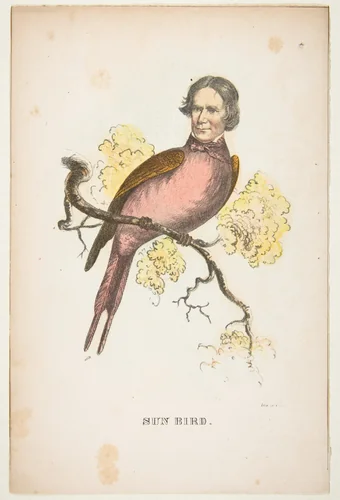
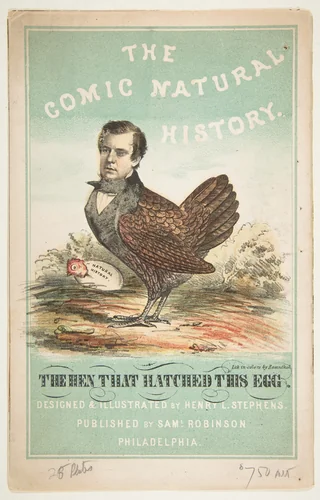
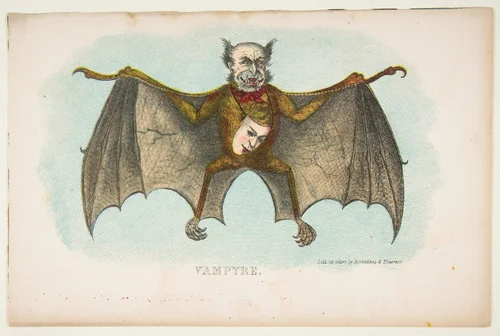
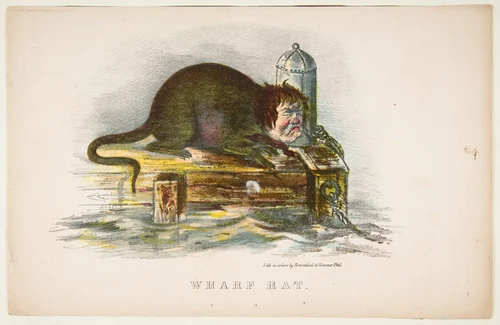
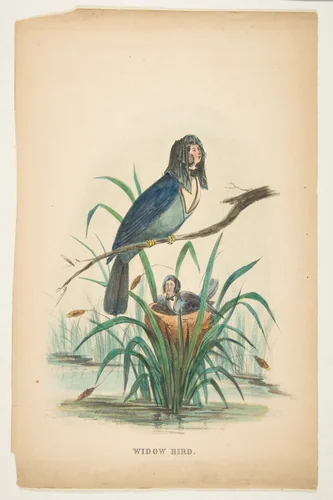
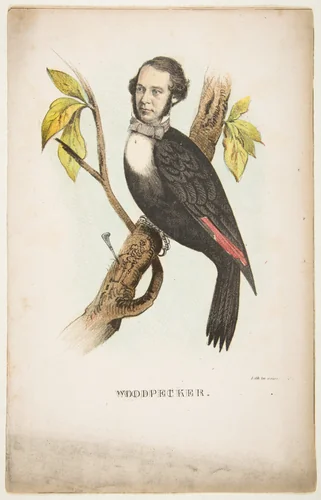
Stephens achieved his greatest notoriety through the series The Comic Natural History of the Human Race. This extensive project moved beyond traditional caricature, employing a sophisticated, often biting, satirical framework that classified contemporary figures and social types according to zoological taxonomies, usually ornithological. Instead of simple portraits, the viewer is presented with figures such as the Alms House Bird, the Butcher Birds, and the notorious Gallows Bird, titles that reveal Stephens’s keen eye for the hypocrisies and rigid class structure of society.
His work was frequently specific, leveraging the celebrity culture of the era. Prints like the Catamaran and Speel's Owl (Charlotte Chushman and Joseph A. Speel) and the Giraffe (John E. Owens as Jakey) functioned as highly recognizable cultural commentary, transforming prominent actors and public personalities into comical, yet oddly accurate, specimens for public observation. Stephens’s method was distinctive: he did not merely draw people; he distilled their public personas into symbolic, often feathered, embodiments of their perceived flaws or eccentricities. This clever merging of scientific presentation and broad, populist humor demonstrates a uniquely American approach to visual wit.
The prolific nature of Stephens’s output of Henry Louis Stephens prints ensured wide distribution across the rapidly expanding popular press. His commitment to creating readily reproducible imagery cemented his influence on subsequent generations of illustrators. While his professional output spanned several decades, the initial success of his natural history series remains his most enduring contribution. Today, these seminal works are frequently made available in the public domain, ensuring that downloadable artwork and free art prints continue to disseminate the satirical vision of this essential American artist.
Source: Wikipedia · CC BY-SA 4.0