Henry Kingsbury
Henry Kingsbury’s career trajectory, moving from professional pianist to rigorous ethnomusicologist, informed a scholarly output that fundamentally redefined how musical aptitude is understood within Western institutions. His seminal work, the 1988 publication Music, Talent, and Performance: An Ethnographic Study of an American Conservatory of Music, is recognized as a profound methodological innovation in the study of elite Western art music.
Prior to Kingsbury, the principals of ethnomusicology were rarely applied to the highly structured, competitive environment of the conservatory. By adapting the anthropological frameworks pioneered by theorists like Emile Durkheim, E.E. Evans-Pritchard, and Clifford Geertz, Kingsbury effectively turned the established academic eye upon itself. He treated the American conservatory not as a bastion of genius but as a closed cultural system, rendering the familiar protocols of musical education suddenly strange and open to meticulous scrutiny.
The central achievement of the book was its detailed examination of "talent." Kingsbury argued convincingly that musical ability, often viewed as a mysterious, innate gift, is in practice a socially constructed and culturally negotiated status, defined and enforced by institutional hierarchies. This perspective generated vital debate, positioning the book as a landmark text for scholars across anthropology, sociology, and musicology. Its appearance marked an innovative and significant application of ethnomusicological principles that shifted how scholars approached Western art music scholarship.
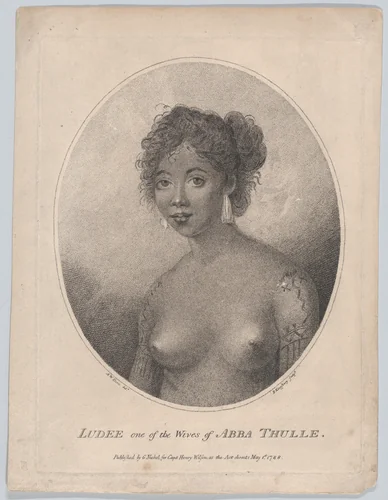
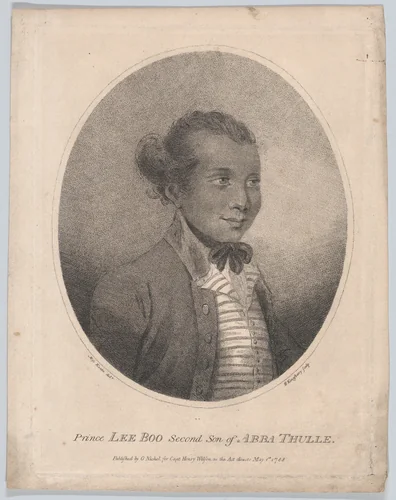
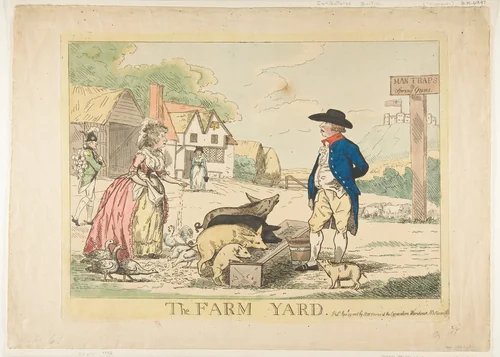
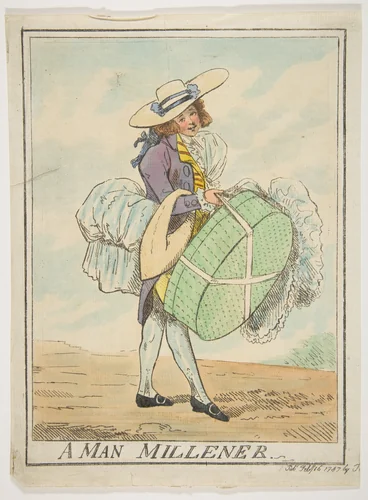
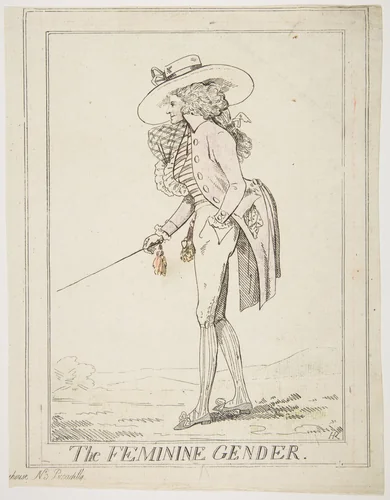
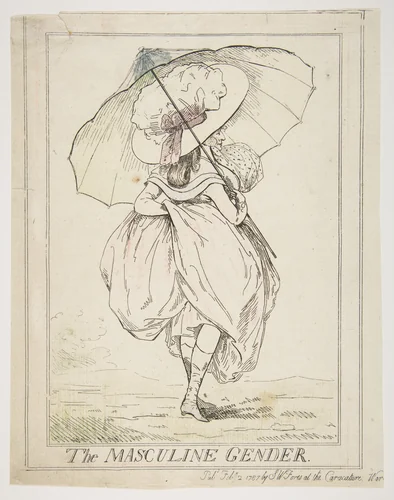
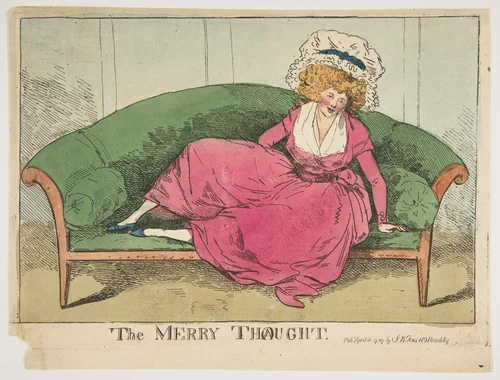
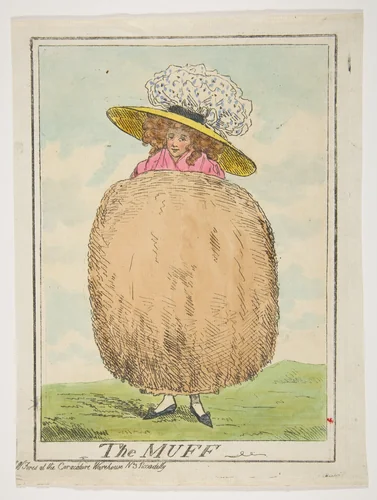
While Henry Kingsbury is celebrated primarily for his groundbreaking scholarship, art historical records show that works, specifically high-quality prints and etchings, bearing the same name were active in the late 18th century, adding a curious layer of historical complexity to the recognition of Henry Kingsbury prints today. These earlier works are sometimes available as downloadable artwork through museum and public domain collections. His scholarly contribution ensures that future studies of performance and creativity start not with the assumption of innate genius, but with the analysis of culture and context.
![The Queen's––[ Ass] by Henry Kingsbury, print, 1787](https://img.artbee.org/0cf07420-2722-4025-ac65-84b2f40d7375/small.webp)