Henry Keller
Henry George Keller (1869-1949) was a pivotal figure in early 20th-century American regional art, recognized primarily as the leading proponent of the Cleveland School's watercolor tradition. Active professionally from 1900 to 1927, Keller’s legacy rests equally on his distinctive technical approach and his foundational role as an educator, shaping the careers of a generation of Midwestern modernists.
Keller held a long and transformative tenure at the Cleveland School of Art, where he defined the curriculum for painting and drawing. Crucially, he extended this mentorship through his popular summer school in Berlin Heights, Ohio, creating an essential cultural nexus for developing regional talent. His classroom instruction produced profound results, nurturing the early careers of major figures such as Charles E. Burchfield, Paul Travis, August Biehle, and Frank N. Wilcox. This capacity for cultivating unique, expressive talent underscores his lasting, if often underestimated, influence on the broader trajectory of American art.
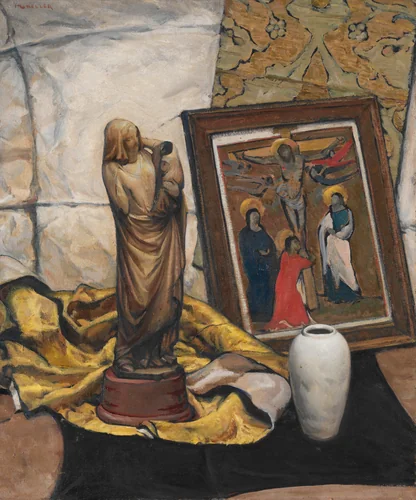
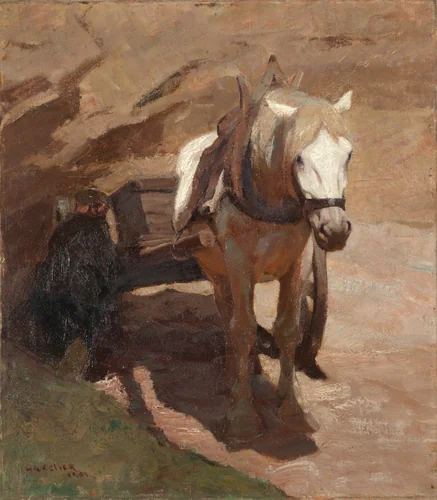
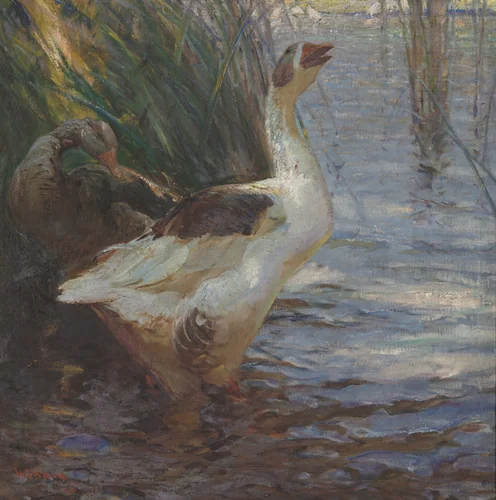
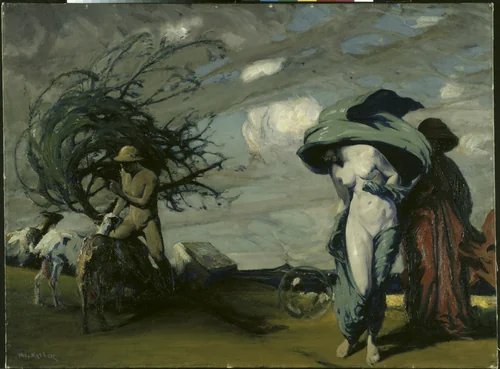
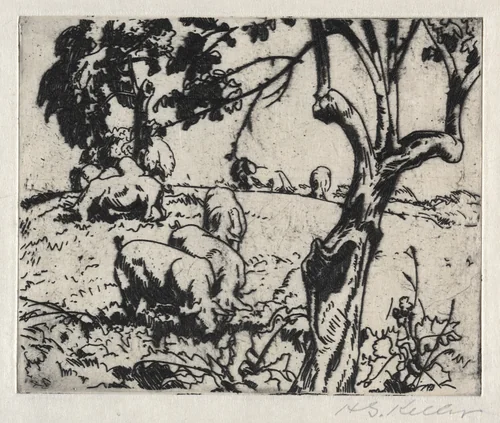
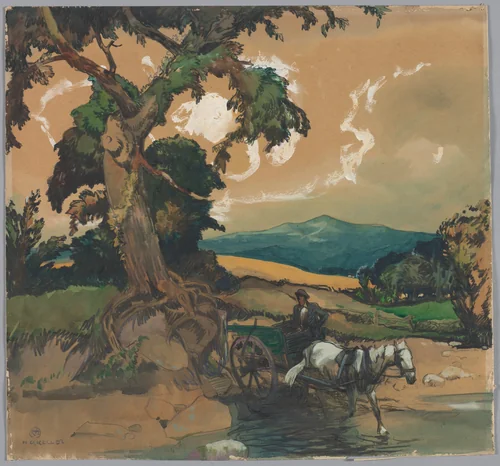
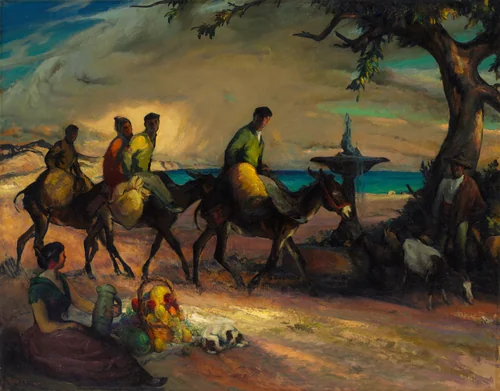
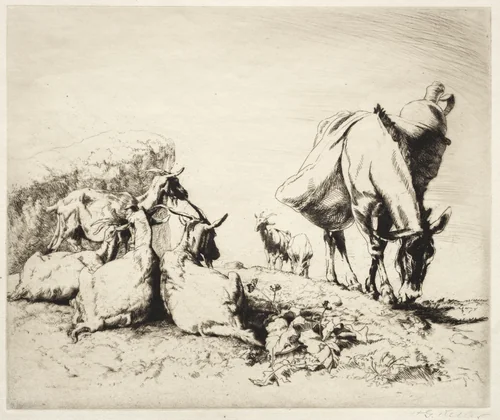
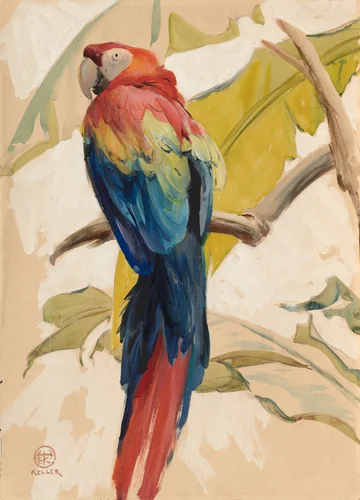
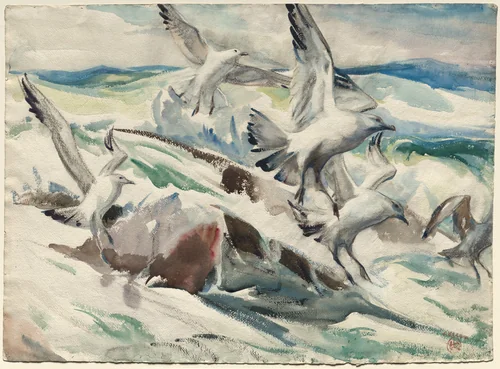
While Keller is historically identified with watercolor, his diverse practice encompassed refined drawings and various artistic prints, suggesting a versatile engagement with medium. His extant body of work, housed notably at the Cleveland Museum of Art, reveals a keen, observant sensibility that often blends academic precision with subtle, witty commentary on daily life. Works such as the surprisingly charming study Pigs in Orchard stand in contrast to the more formalized and intellectual allegorical painting The Madonna of Ivory, displaying the impressive breadth of his artistic concerns. He was particularly adept at capturing momentary tension and human psychology, evident in the drawing In the Sand-pit and the titular work Disturbed.
Henry Keller paintings and drawings represent a crucial transitional moment in Ohio art history, bridging traditional academic tenets with emerging modernist sensibilities. Though his active period concluded nearly a century ago, the power of his pedagogical legacy and the quality of his executed works continue to resonate. Recognizing his enduring contributions to American artistic heritage, many of his original artworks have entered the public domain, allowing enthusiasts globally to access high-quality prints and downloadable artwork derived from his original compositions.