Henry Herschel Hay Cameron
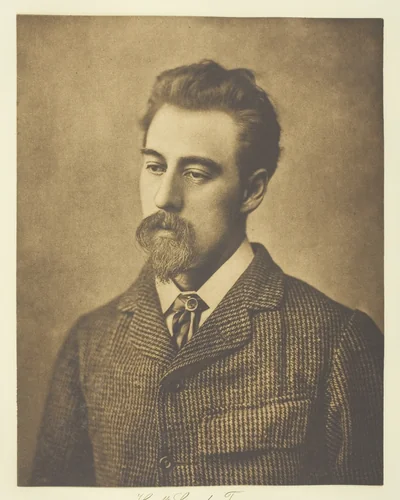
Henry Herschel Hay Cameron was a distinguished British photographer active between 1852 and 1888, securing his place as an important figure within the late Victorian photographic canon. While widely known as the son of the iconic portraitist Julia Margaret Cameron, his own practice demonstrated a clear aptitude for formal composition and the profound capturing of celebrated intellectual figures.
Cameron’s body of work, though currently cataloged through a limited number of known outputs—specifically fourteen extant prints and a single photograph—is characterized by its institutional weight. His output is preserved in major American collections, including the Metropolitan Museum of Art and the Art Institute of Chicago, a clear recognition of his enduring historical and artistic value.
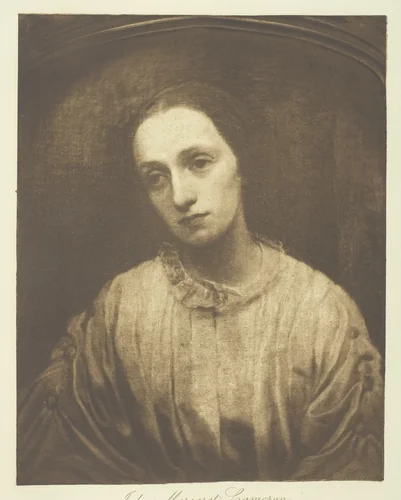
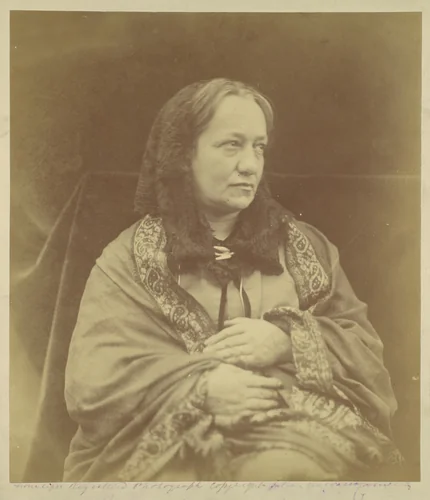
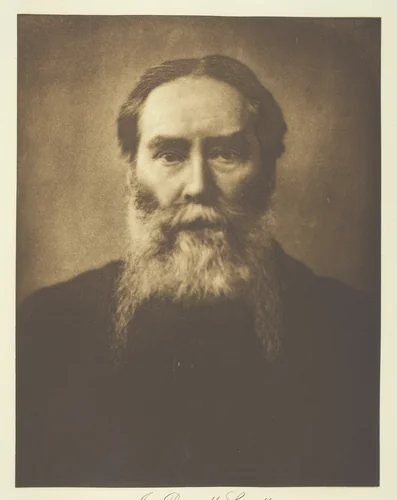
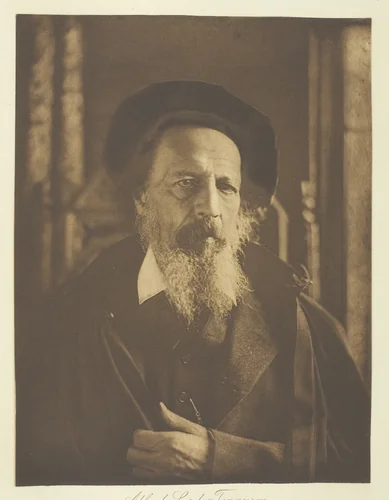
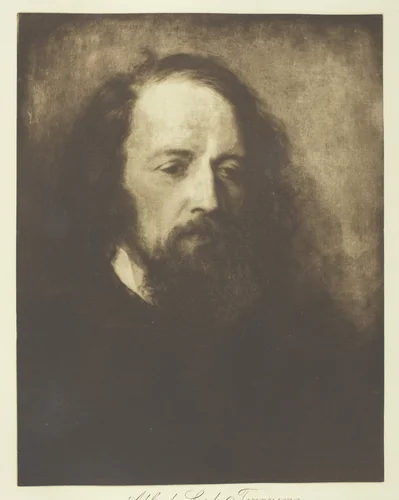
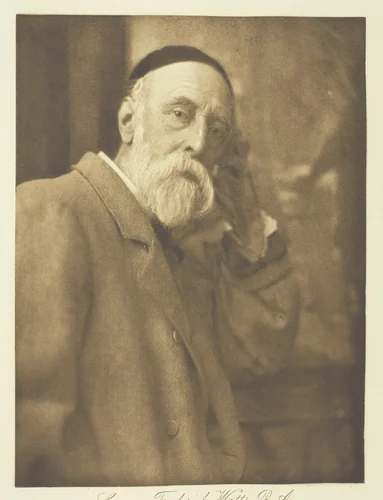
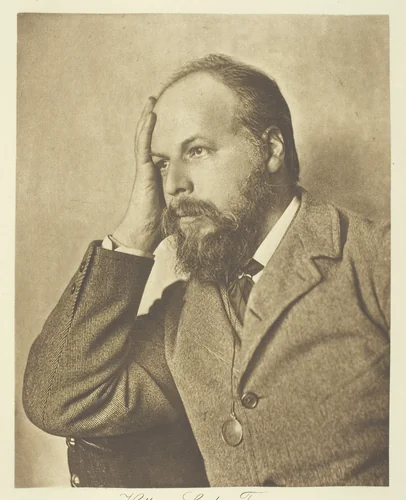
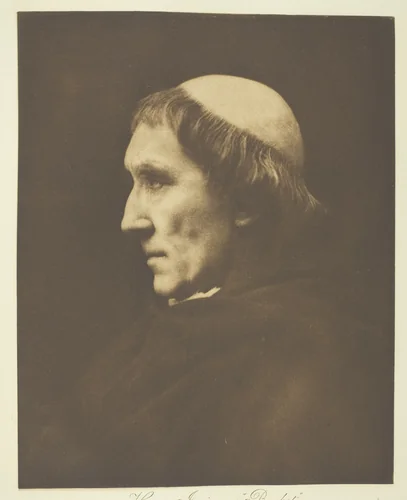
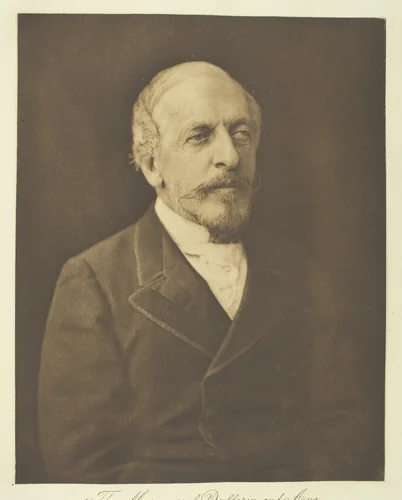
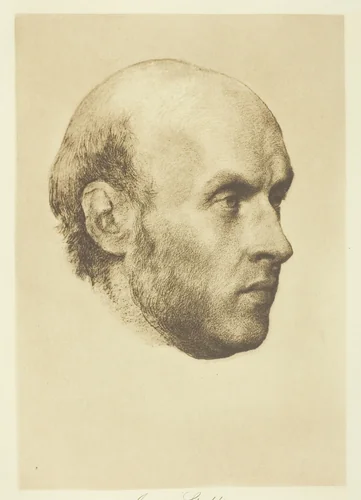
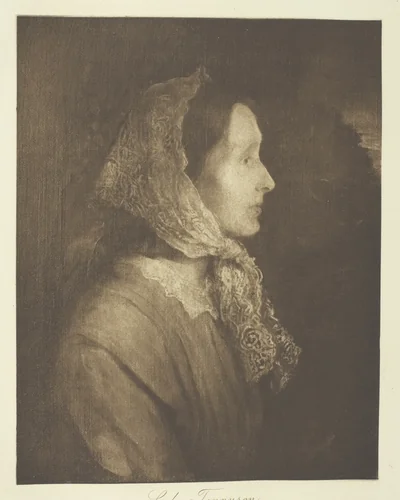
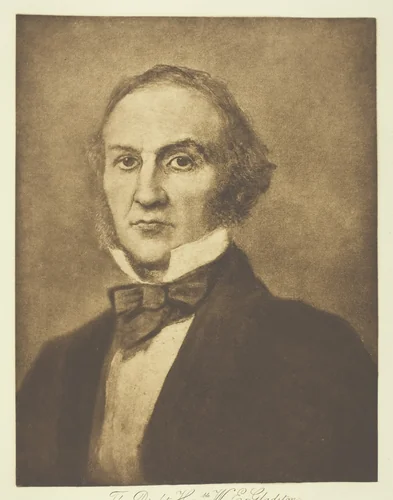
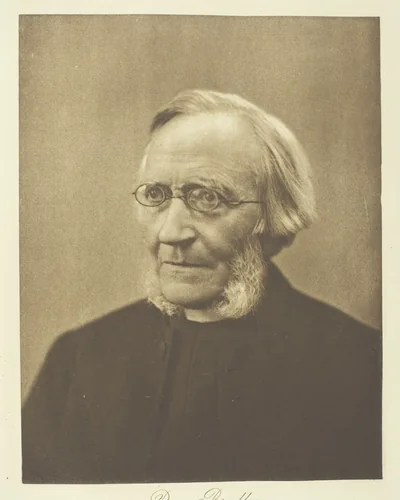
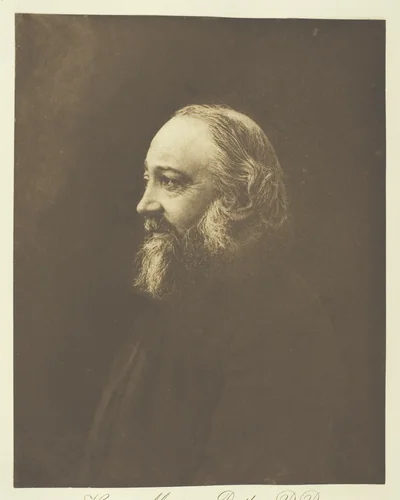
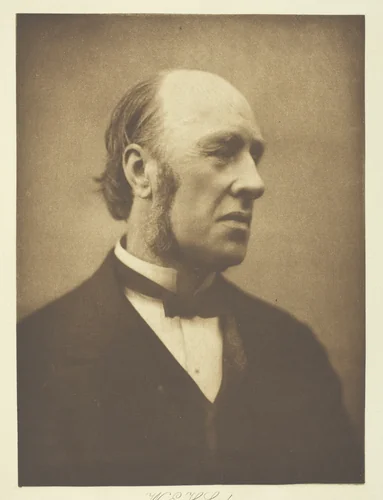
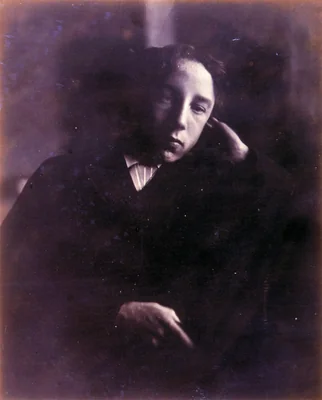
His primary focus lay in portraiture, working within the sphere of influential literary and scientific figures who frequented his mother's circle. Among his most recognized subjects are the American poet and diplomat James Russell Lowell and, notably, Alfred, Lord Tennyson, whom Cameron photographed multiple times. These photographs underscore the close relationships and artistic synergy within the Victorian artistic community. Intriguingly, his known works include portraits of his own mother, Julia Margaret Cameron, demonstrating an exchange that saw both the pioneering matriarch and her son operate on both sides of the lens. This relationship, wherein the boundary between subject and artist was fluid, offers a rare, layered study of influence and professional overlap.
Operating during an era of significant technical transition in photography, Cameron prioritized clarity and controlled studio execution, qualities that ensured the successful reproduction and longevity of his images. Because of the era in which he worked and the subsequent dedication of museums to preservation, many of Henry Herschel Hay Cameron prints are today considered public domain assets. Consequently, these historical documents of the Victorian elite are now often accessible as museum-quality, high-quality prints for scholars and enthusiasts globally.
Source: Wikipedia · CC BY-SA 4.0