Henry Chapman Ford
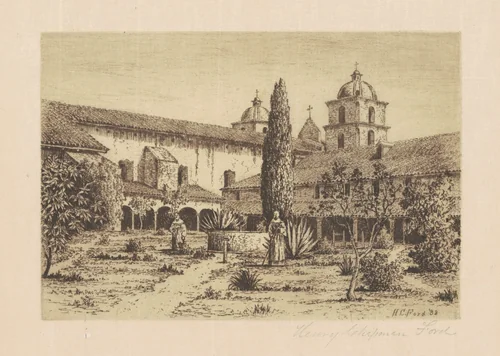
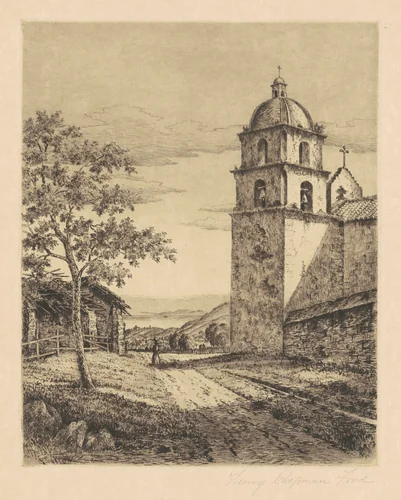
Henry Chapman Ford (1828-1894) is recognized today as the foremost visual catalyst for the modern appreciation of California's Spanish colonial past. An American illustrator active throughout the latter half of the nineteenth century, Ford holds a unique position in art history: his artistic output was inextricably linked to architectural preservation, directly influencing a cultural revival across the state.
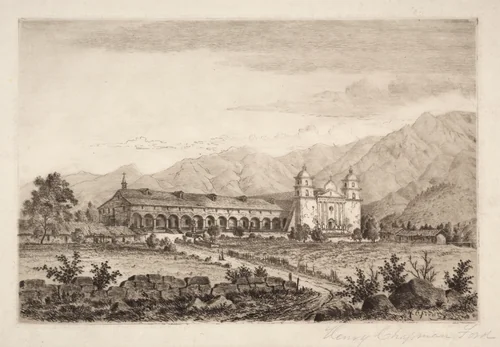
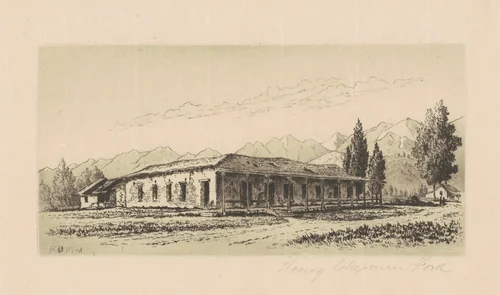
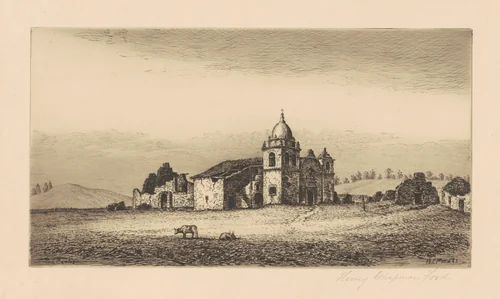
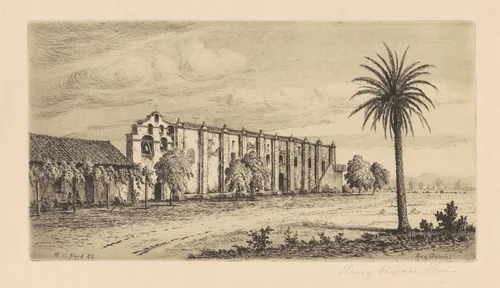
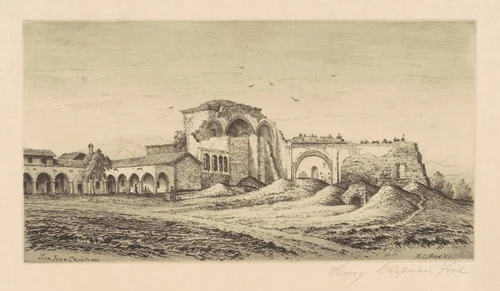
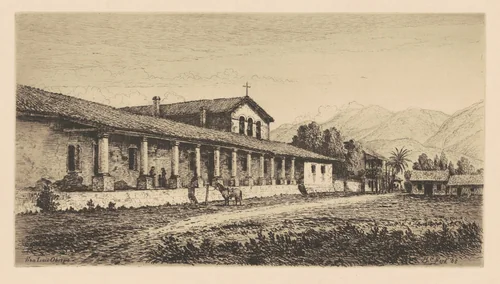
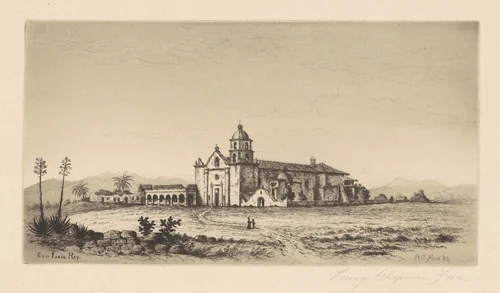
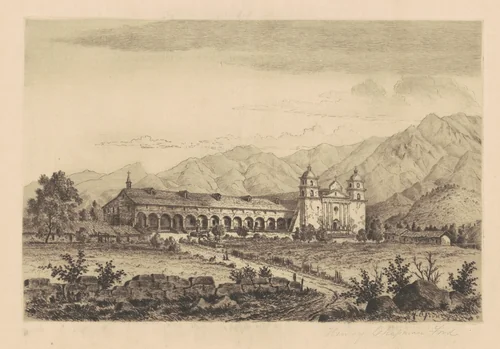
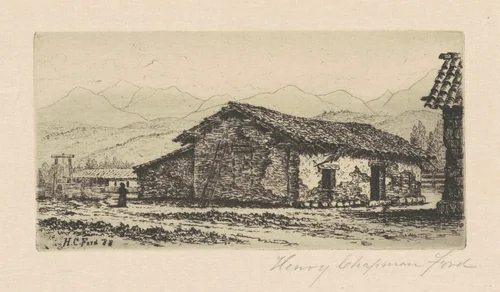
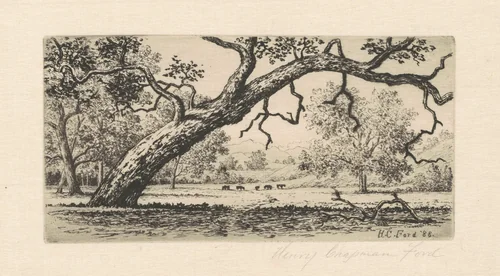
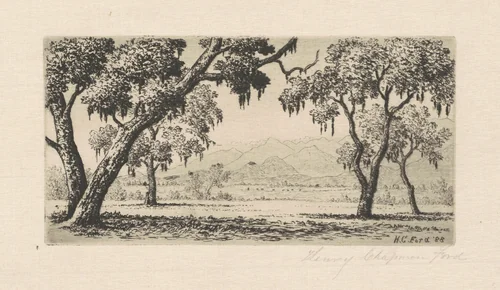
Ford’s principal achievement is his landmark series, Etchings of the Franciscan Missions of California. While he also worked in painting, it is through his meticulously rendered prints that he secured his historical relevance. Executed with a draftsman's precision, the works, including Mission San Carlos Borromeo and views like Aguirre House (Santa Barbara), served as both artistic representations and indispensable historical records. Ford’s commitment to visual accuracy was timely; he created these documents at a crucial moment when many of the original colonial structures were suffering from neglect, erosion, or deliberate dismantling. It is perhaps Ford’s greatest artistic fortune that he recorded these decaying missions when he did, often preserving the memory of architectural details that would soon be lost to the elements, cementing his role not merely as an artist but as a meticulous architectural historian wielding an etching needle.
This methodical documentation was instrumental in fueling the widespread public renewal of interest in the state's Spanish heritage during the late nineteenth century. The ensuing movement, commonly termed the Mission Revival, owes a substantial debt to Ford’s widely circulated images. These visual documents provided a necessary foundation for the architectural and cultural preservation efforts that followed.
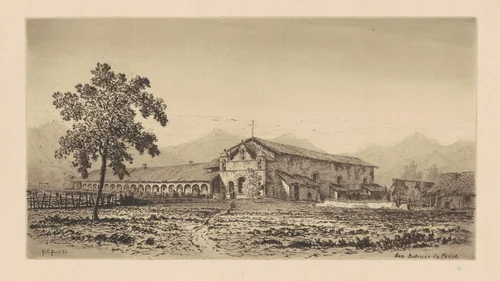
Today, Ford’s fourteen known mission prints and related works are housed in major institutional collections, including the National Gallery of Art and the Cleveland Museum of Art, ensuring their continued study. Due to their historical importance and age, many of these detailed images, such as Mission San Antonio de Padua, are now in the public domain, allowing museums and libraries to provide high-quality prints and downloadable artwork, thus ensuring that Ford’s careful visual records remain accessible to a new generation of researchers and enthusiasts.
Source: Wikipedia · CC BY-SA 4.0