Henry Bone
Henry Bone (1755-1834) stands as the preeminent English enamel painter of the Regency and late Georgian eras. Active between 1794 and 1829, Bone revolutionized the scale and ambition of miniature painting, earning him a rare degree of sustained institutional recognition. Crucially, by 1800, his skill in producing meticulously detailed portrait miniatures had secured him continuous royal patronage that spanned the reigns of three successive monarchs: George III, George IV, and William IV. This continuity of favor confirmed his position not merely as a skilled artisan, but as the court favorite for this highly specialized and technically demanding medium.
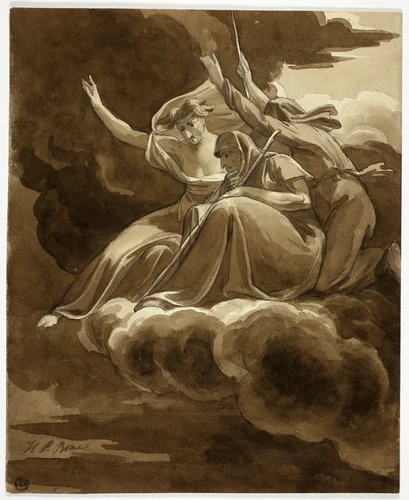
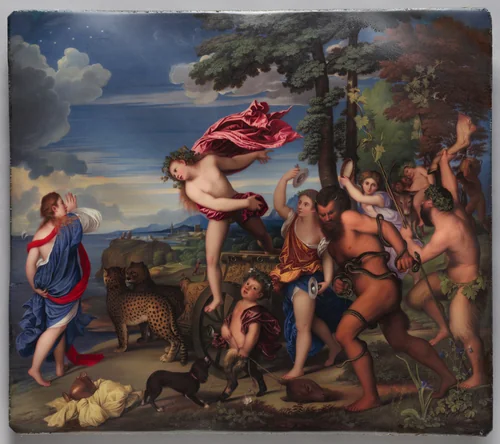
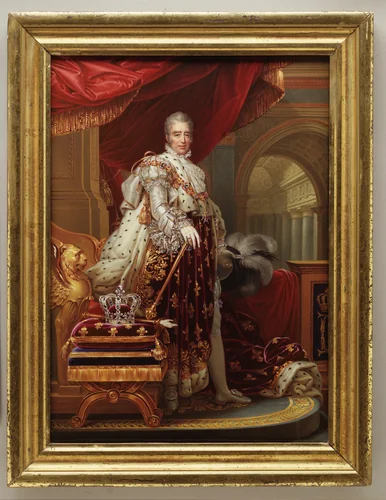
Bone’s career trajectory began in the less celebrated fields of porcelain and jewelry painting. These disciplines provided the fundamental knowledge necessary for the complex firing process required by large-scale enamels, ensuring a high degree of technical mastery before he tackled copper plates. His success was formally recognized by his election as a Royal Academician. However, his most significant achievement was expanding the physical limits of the enamel medium. Bone successfully executed pieces, often historical or mythological subjects, that were the largest enamel paintings ever seen up to that time. Works like Bacchus and Ariadne or the theatrical Three Witches from MacBeth demonstrate his capacity to translate grand academic compositions onto fragile, heat-sensitive surfaces.
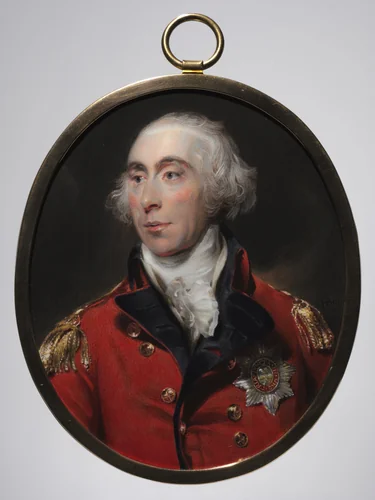
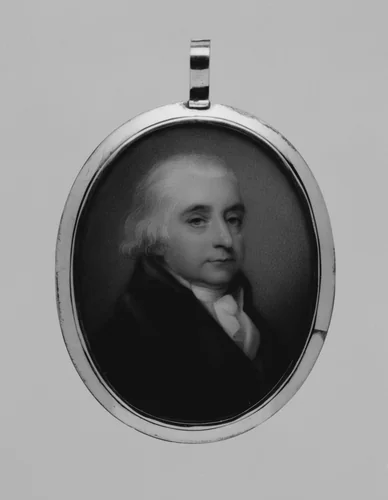
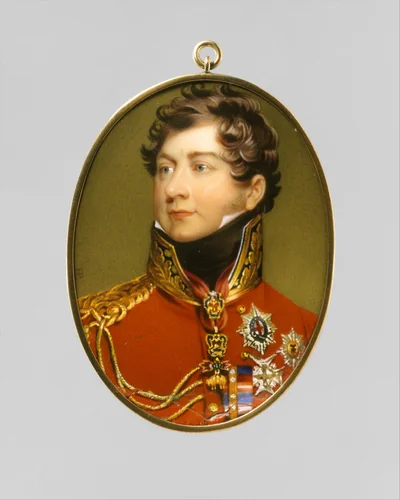
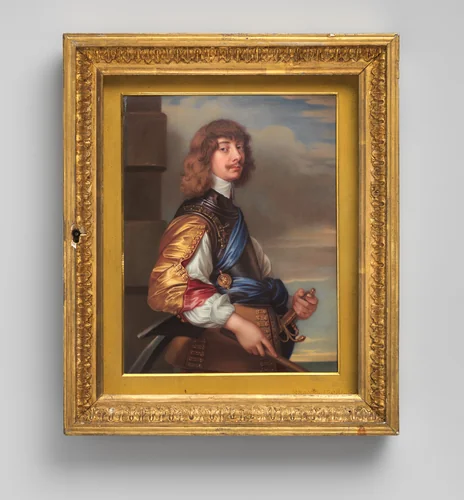
The majority of Bone’s recorded output, however, consists of highly finished portraits, often executed after existing oil paintings by contemporaries such as Lawrence or Jones. His rendering of subjects like Portrait of General Sir Charles Grey or the stately likeness of George IV (1762–1830) as Prince Regent are historical documents rendered with crystalline precision. Bone’s output was so prolific under royal command that it suggests an insatiable Georgian appetite for portable, high-fidelity portraiture, easily distributed among the aristocracy and diplomatic circles.
Today, Bone’s works are held in major public collections, including the Metropolitan Museum of Art, the Cleveland Museum of Art, and the Art Institute of Chicago, affirming their museum-quality status. While the original Henry Bone paintings remain secured in these institutions, the details captured in these historic records are often available as downloadable artwork or high-quality prints, ensuring his significant contribution to 18th and 19th-century court portraiture remains widely accessible in the public domain.
Source: Wikipedia · CC BY-SA 4.0