Henry Benbridge
Henry Benbridge holds a distinct place in the narrative of early American art history. As an American painter specializing exclusively in the portrait genre, he was active during the critical decade spanning approximately 1767 to 1777, positioning his career precisely at the transition point between the late colonial era and the formation of the Republic. His sophisticated output secured him important commissions from affluent mercantile and landowning families, primarily centered in the burgeoning cultural centers of Philadelphia and the Southern colonies.
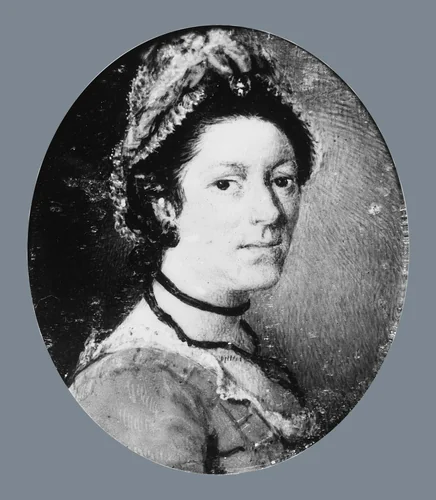
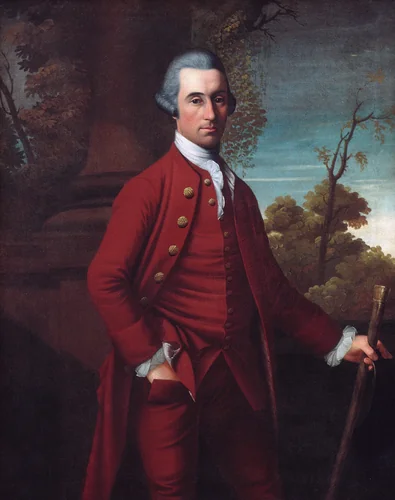
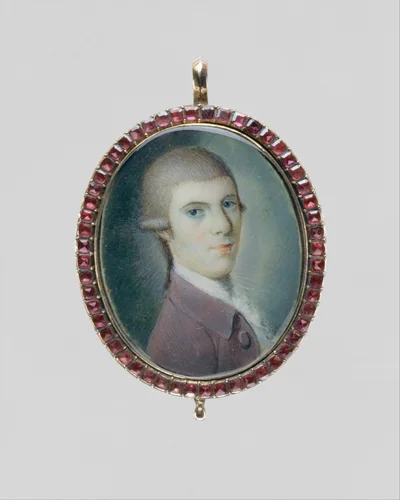
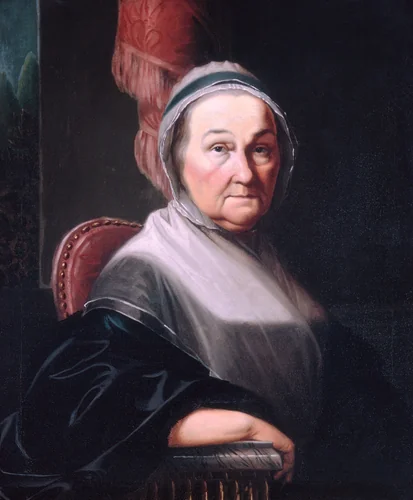
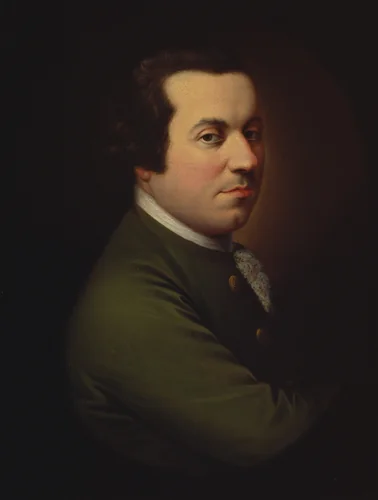
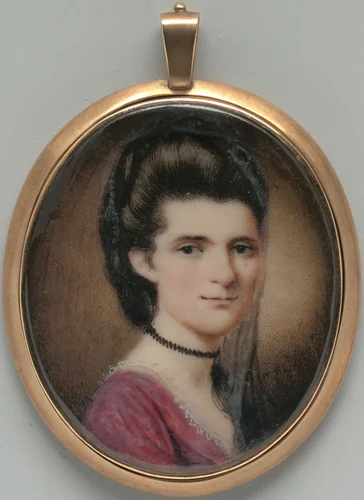
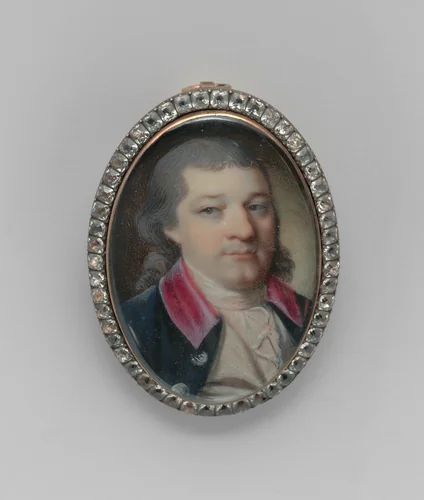
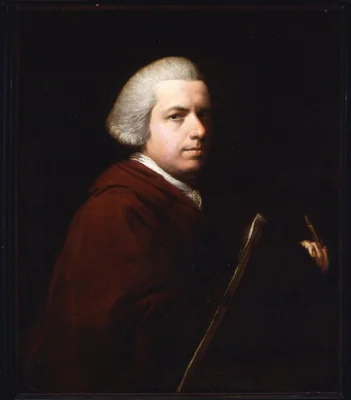
Benbridge’s style is deeply rooted in the traditions of British academic portraiture, yet refined by the practical demands of his American clientele. He approached his subjects with a controlled precision and polished technique that suggests an acute understanding of social standing, reflecting the desire of the colonial elite to project dignity and permanence. His surviving body of work, while geographically dispersed, is consistently high-quality. Pieces like Mrs. Benjamin Simons showcase his ability to render fine fabrics and convey the sitter’s status, while the carefully delineated likeness of Dr. Jonathan Potts (1745-1781) offers a sensitive study of intellectual temperament.
It is perhaps telling of his contemporary prominence that three of his five known works are cataloged merely as Portrait of a Gentleman or Mrs. Clark, suggesting he was often the immediate and obvious choice for a standard, respectable likeness commissioned by the local aristocracy.
Although his period of activity was relatively brief, the lasting artistic merit of his contributions is attested by their preservation in major American collections, including the Metropolitan Museum of Art and the Art Institute of Chicago. These placements confirm the museum-quality nature of his oeuvre and underscore his foundational role in establishing American visual identity. Today, researchers and collectors interested in 18th-century portraiture frequently seek out Henry Benbridge paintings. Furthermore, thanks to growing initiatives for cultural heritage accessibility, high-quality prints and downloadable artwork of several of his portraits are now available, ensuring this significant early American painter remains accessible to a wide modern audience.
Source: Wikipedia · CC BY-SA 4.0