Henri Leys
Henri Leys (1815-1869), sometimes known as Hendrik Leys or Jan August Hendrik, Baron Leys, stands as a pivotal figure in nineteenth-century Belgian art. He achieved widespread European fame during his lifetime by mastering the grand scale of the historical or Romantic school while simultaneously innovating in ways that directly informed the emerging Realist movement. Leys’s contribution lies in his meticulous synthesis: he injected the detailed objectivity of genre painting into narratives of significant historical import, lending an unprecedented sense of immediacy to the past.
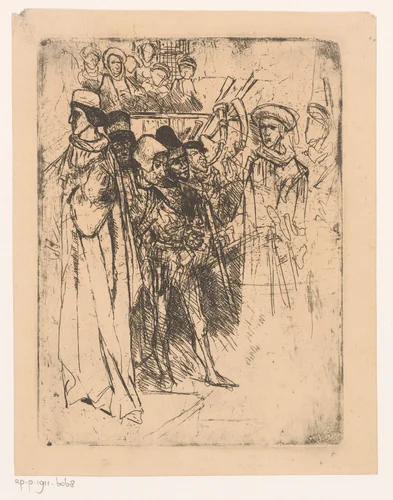
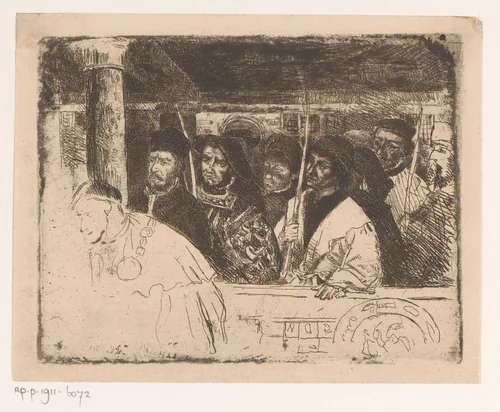
Active across painting and printmaking from the mid-1820s until his death, Leys commanded the attention of both academic critics and general audiences through his historical compositions, intimate genre scenes, and carefully observed portraits. He possessed a rare ability to ground historical splendor, such as the ceremonial depiction in Instelling van de Orde van het Gulden Vlies, with palpable texture and documentary precision. This careful research and high standard of draftsmanship influenced a generation of artists both in Belgium and internationally, establishing a critical standard for historical accuracy in painting.
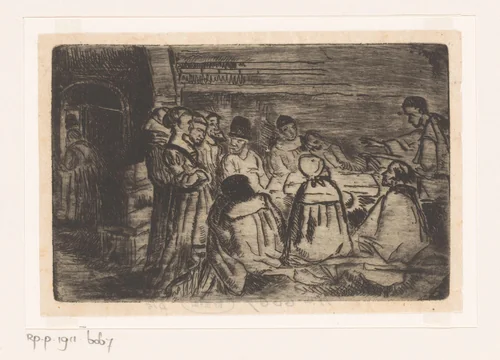
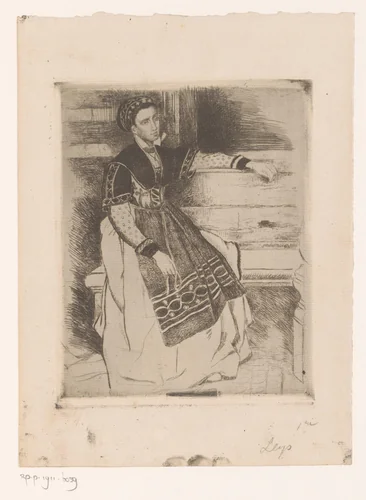
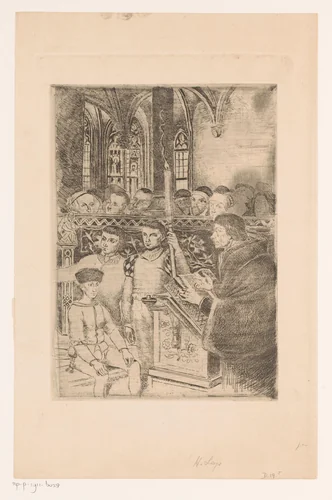
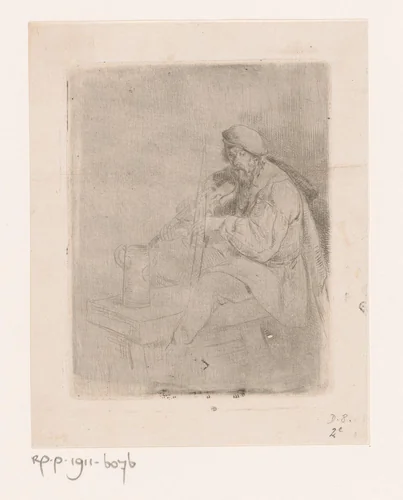
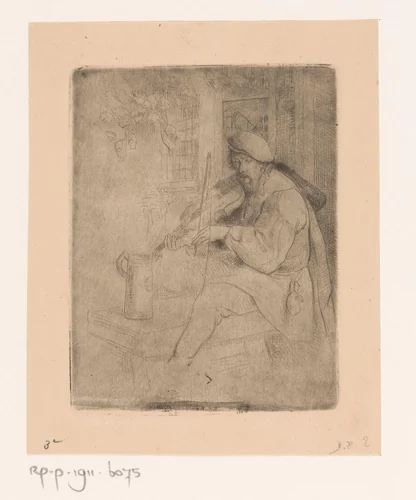
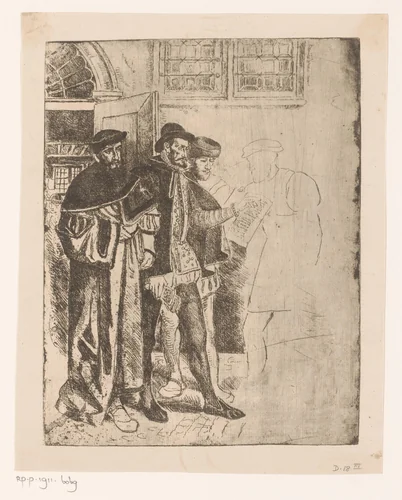
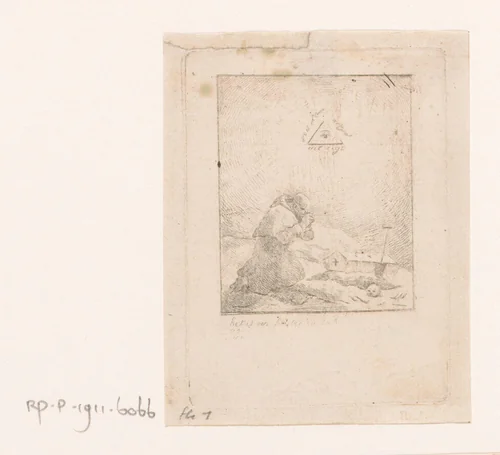
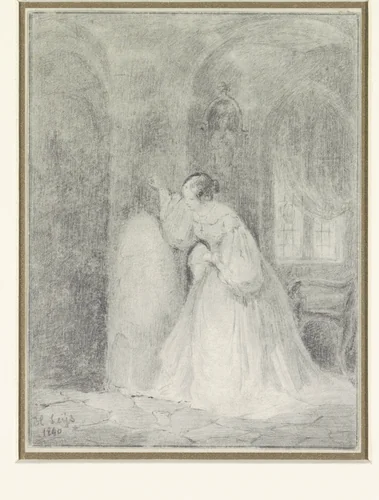
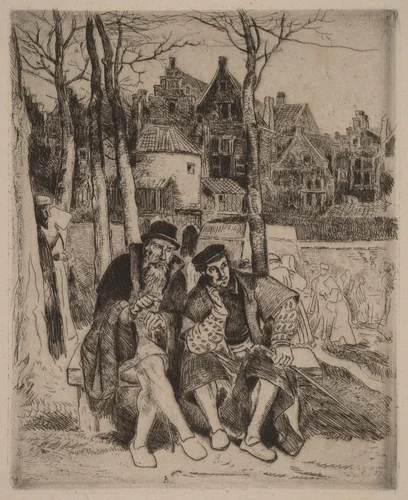
His subjects often reflect the solemnity and quiet dignity of daily life, particularly evident in works like the stark Hervormde kerkdienst in een schuilkerk or the introspective Jonge vrouw zit aan het raam. While lauded as the leading exponent of the established history painting tradition, Leys subtly adapted his approach, moving away from dramatic Baroque gestures toward a crisper, more restrained aesthetic. It is perhaps this blend of grand ambition and focused observation that solidified his influence; he managed the difficult feat of making the history of the Holy Roman Emperor, detailed in Keizer Karel V wordt onderwezen, feel as immediate as a street musician’s serenade.
Leys’s impact persists today, with his works housed in major institutions including the Rijksmuseum and the National Gallery of Art. The enduring quality of his draftsmanship is readily apparent in his drawings and highly detailed Henri Leys prints. As much of his catalogue now falls within the public domain, the opportunity to study his masterful compositions, often reproduced as high-quality prints, remains widely accessible to scholars and collectors interested in the transition of European art from Romanticism toward Realism.
Source: Wikipedia · CC BY-SA 4.0