Henri Le Secq
Jean-Louis-Henri Le Secq des Tournelles occupies a pivotal position in the early history of photography, distinguished both by his origins as a trained painter and his selection as one of the few practitioners entrusted by the French state to document its architectural heritage. Following the public disclosure of the daguerreotype process in 1839, Le Secq rapidly adopted the new medium, recognizing its unique potential for detailed, immediate documentation.
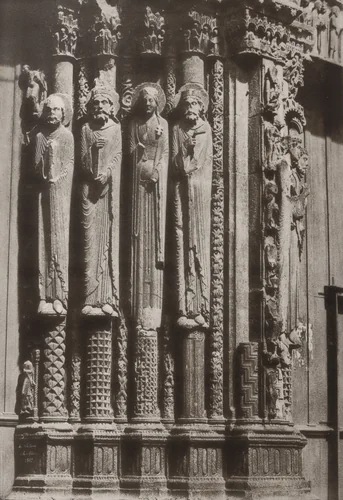
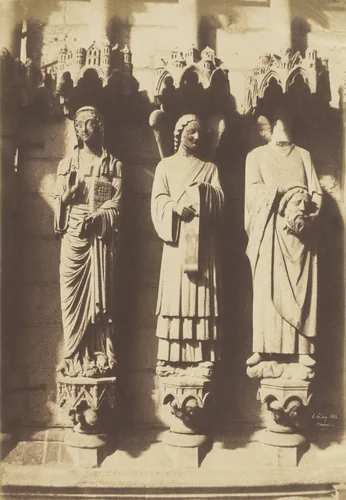
Le Secq’s enduring significance lies in his involvement with the Mission Héliographique of 1851. Recognizing the potential loss of historical monuments due to neglect or modernization, the Commission des Monuments Historiques selected five photographers to undertake a systematic photographic survey across France. Le Secq was assigned the northern and eastern regions, a remit that led him to capture iconic structures from Chartres to Alsace.
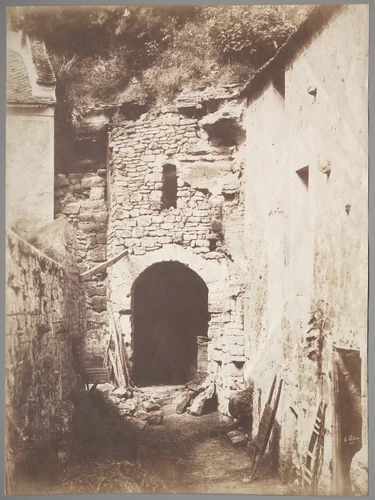
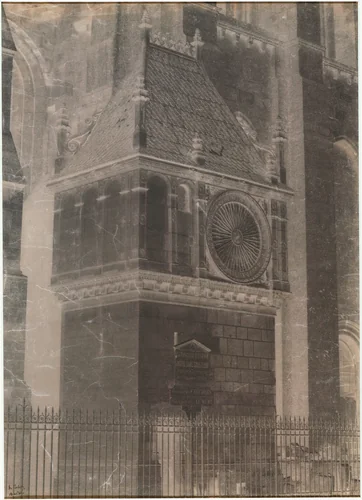
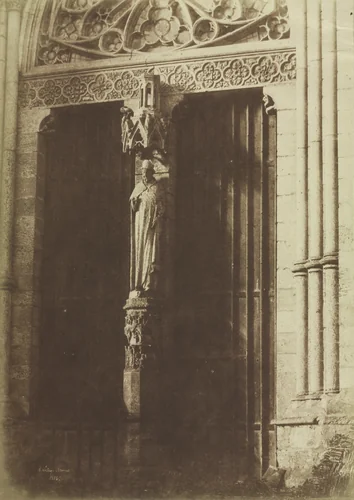
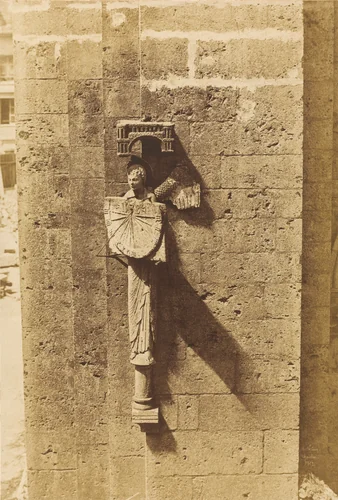
While his task was inherently documentary, Le Secq brought the compositional rigor and sensitivity to light derived from his classical training as an artist. His photographs consistently transcend simple records, operating instead as meditations on texture and monumentality. This is evident in the dramatic shadowing and architectural isolation seen in works such as Behind the Troglodyte Farm and the precise geometry captured in Untitled (Chartres Cathedral, Pavillon de l'horloge). The transition from the deliberate, slow process of painting to the immediate, chemical capture of the camera must have been a profound experience, and it is a subtle pleasure to observe how Le Secq harnessed the nascent technology to achieve a distinctly painterly depth.
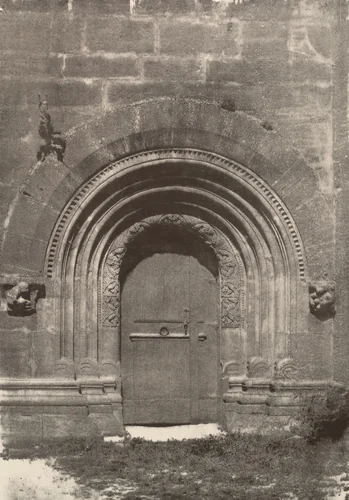
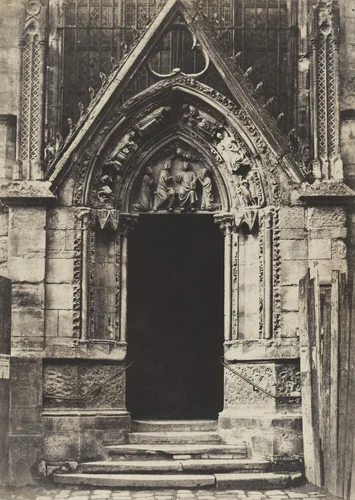
Le Secq’s active period as a photographer was relatively brief, focusing primarily between 1848 and 1854, ensuring a focused and high-quality output. His skill in rendering massive architectural features with clarity and emotional resonance ensures his studies maintain a museum-quality standard of historical and aesthetic value. Works like The Red Door, Northern Façade of the Church of Notre Dame are now held in major international collections including the Museum of Modern Art and the National Gallery of Art. Since these pioneering photographs are considered part of the public domain, researchers and art enthusiasts globally can access high-quality prints derived from his original documentation, underscoring the enduring legacy of this foundational figure in architectural photography.
Source: Wikipedia · CC BY-SA 4.0