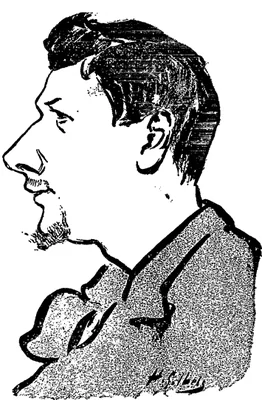
Henri Gabriel Ibels
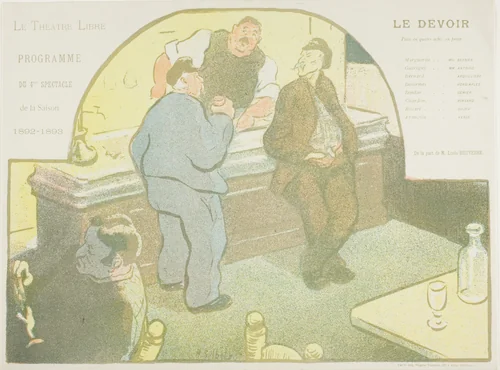
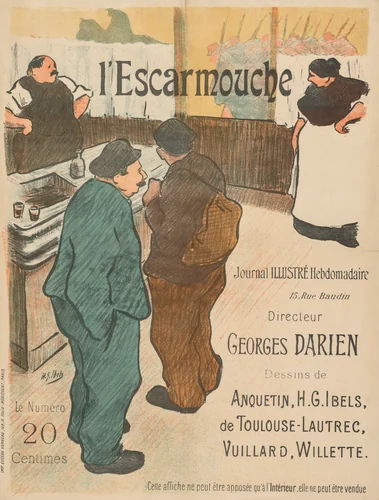
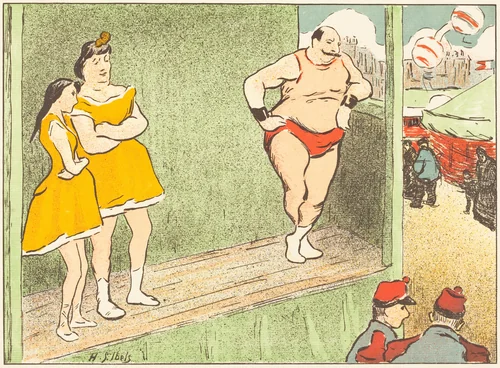
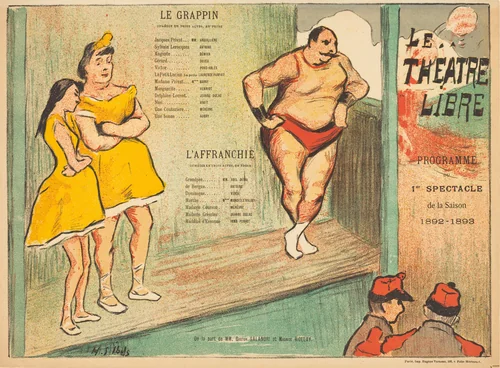
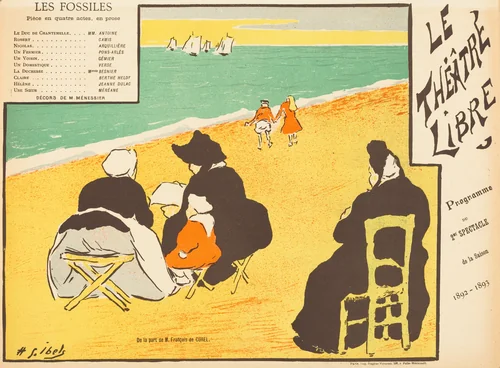
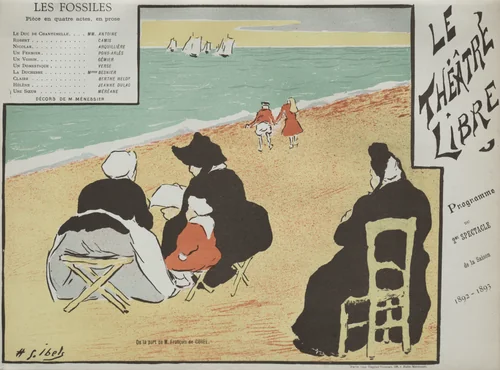
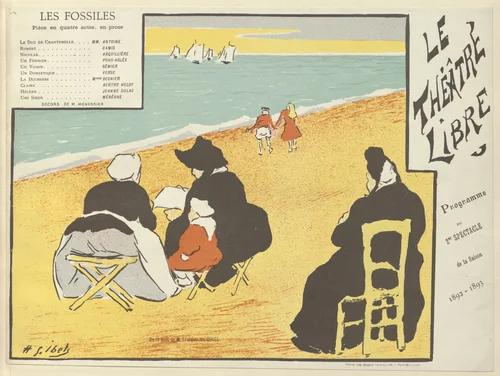
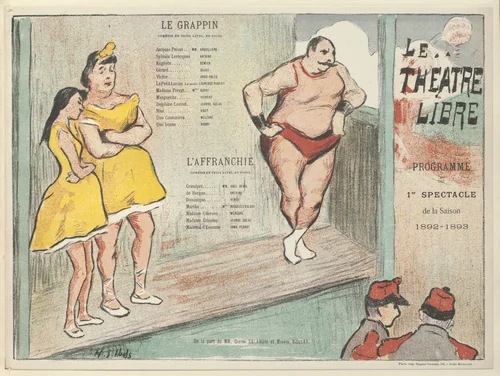
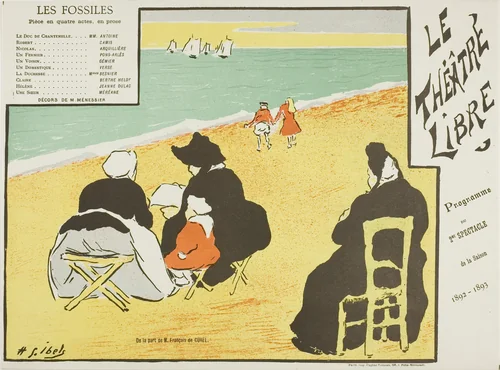
Henri-Gabriel Ibels (1867–1936) was a versatile French artist whose dynamic output spanned illustration, painting, printmaking, and stage authorship. Active primarily in the late 1880s and early 1890s, Ibels became a critical figure in the fin-de-siècle revival of the lithograph, securing his place alongside contemporaries who sought to inject modern social observation into graphic arts. His most concentrated period of print production resulted in twelve known prints and several drawings, which are now held in major international institutions, including the National Gallery of Art, the Art Institute of Chicago, and the Cleveland Museum of Art.
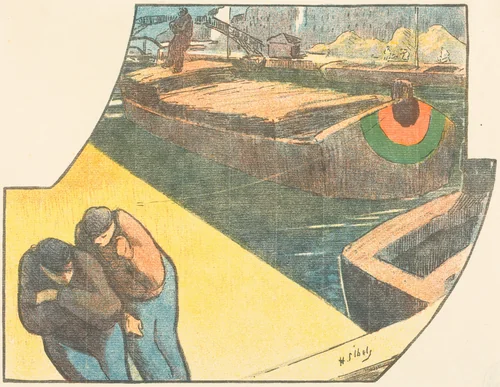
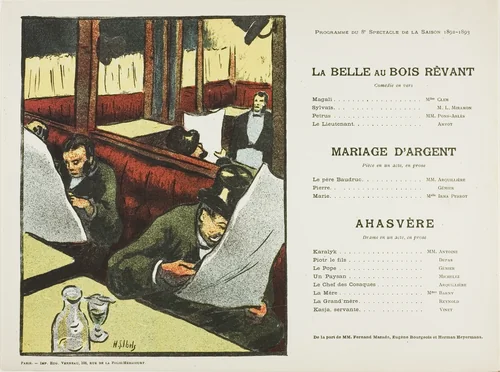
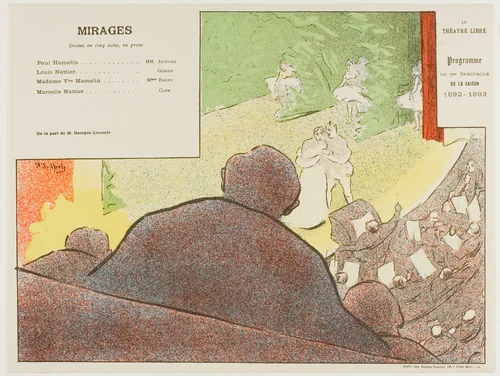
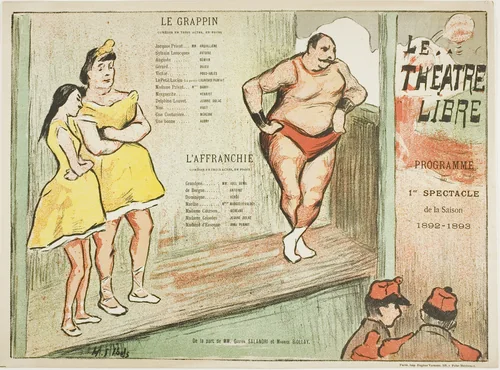
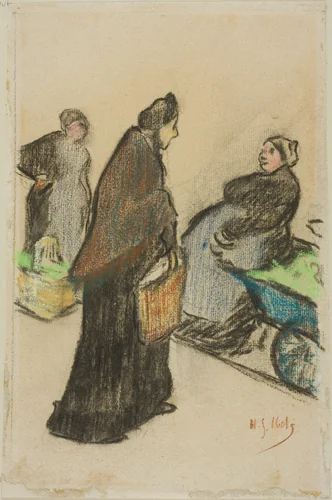
Ibels mastered the concise visual narrative, often employing the broad, simplified planes and stark contours characteristic of the new Post-Impressionist graphic style. His work avoided the high polish of the academic tradition, favoring instead a direct, unsentimental approach to urban realism. Pieces such as Market Women and Men Towing a Barge (a study connected to his stage work Boubourouche) capture the fleeting moments of everyday life—the Parisian back alleys, the theatrical stage, and the casual interactions of laborers—demonstrating his commitment to making art relevant and accessible.
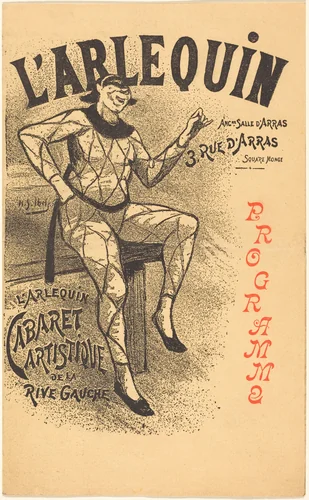
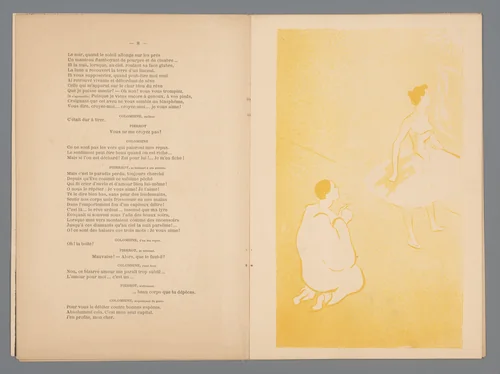
Beyond the press, Ibels was an accomplished author, a literary inclination that deeply informed his visual work. His prints often possess the vivid characterization and immediacy of a scene captured mid-act. It is perhaps unsurprising that an artist so concerned with narrative detail would produce an image like L'Arlequin, a subject steeped in the commedia dell’arte tradition, signaling his deep engagement with the era’s theatrical and popular culture.
Though Ibels’s later career shifted toward design and authorship, the legacy of his graphic period remains crucial to understanding French illustration at the turn of the century. Today, these seminal Henri Gabriel Ibels prints, sought after for their museum-quality execution, are increasingly available to the public. Many of his early works are now entering the public domain, offering scholars and enthusiasts access to high-quality prints and downloadable artwork that define his contribution to modern graphic art.
Source: Wikipedia · CC BY-SA 4.0
![Men Towing a Barge [Study for Boubourouche] by Henri Gabriel Ibels, drawing, 1887-1897](https://img.artbee.org/f163f024-4db2-4689-aa8e-8ddbf329e46d/small.webp)