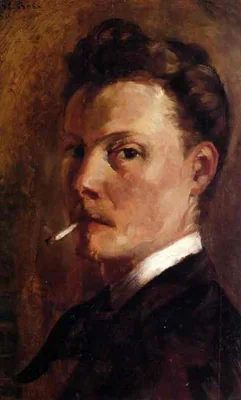
Henri-Edmond Cross
Henri-Edmond Cross, born Henri-Edmond-Joseph Delacroix in 1856, stands as one of the most significant figures in the critical transition from late Impressionism to the radical color theories that defined the subsequent century. Renowned as both a highly skilled painter and a prolific printmaker, Cross became a decisive master of Neo-Impressionism. Interestingly, he adopted the pseudonym "Cross" simply to avoid the frequent confusion between himself and the renowned Romantic painter, Eugène Delacroix, a minor identity challenge that contrasts sharply with the clarity and force of his artistic vision. Active across the late 19th century, his disciplined yet increasingly expressive approach to color would define the second, more dynamic phase of the Neo-Impressionist movement.
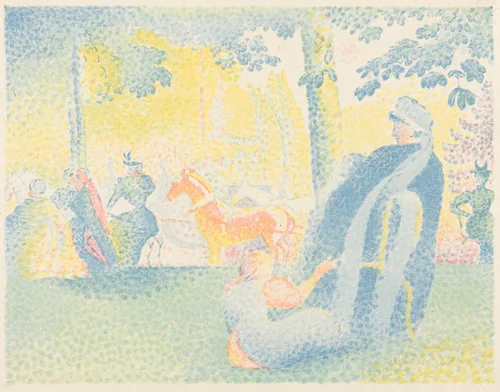
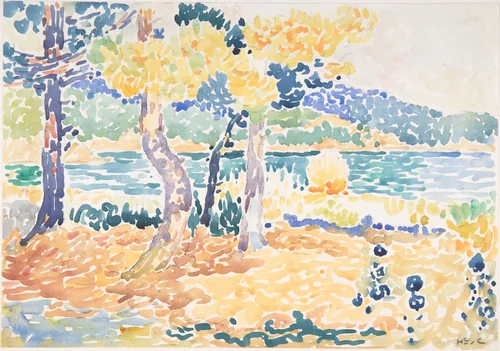
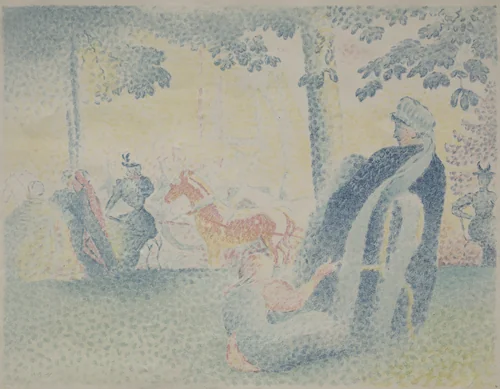
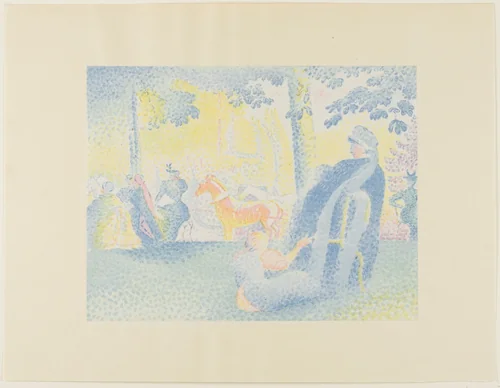
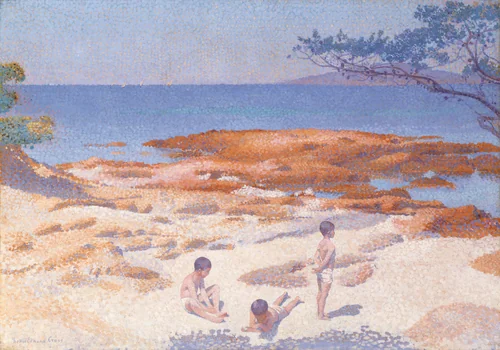
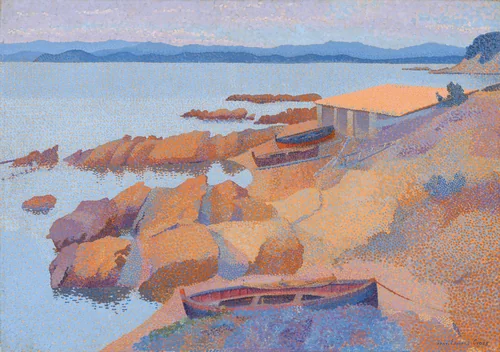
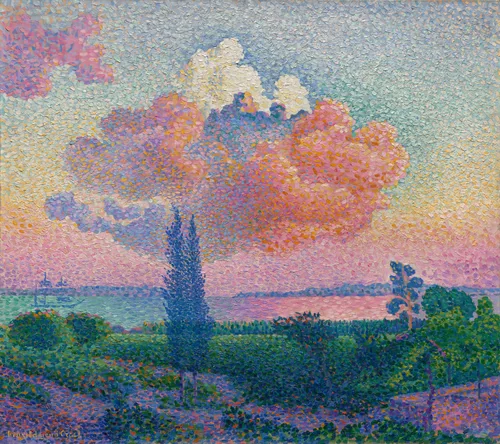
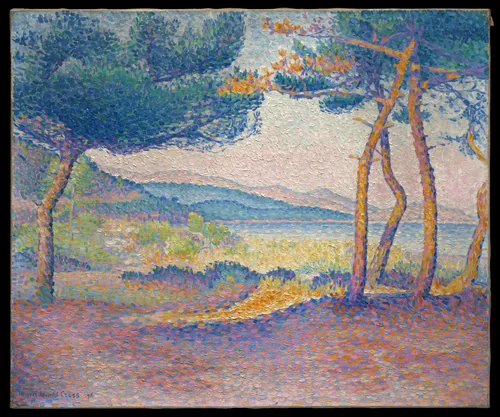
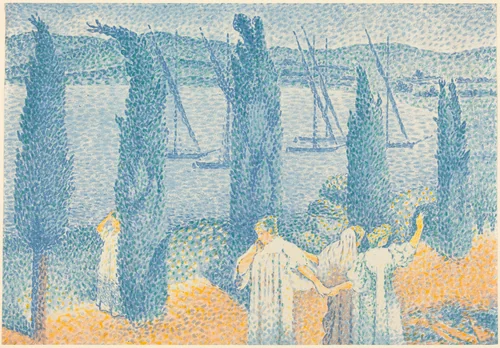
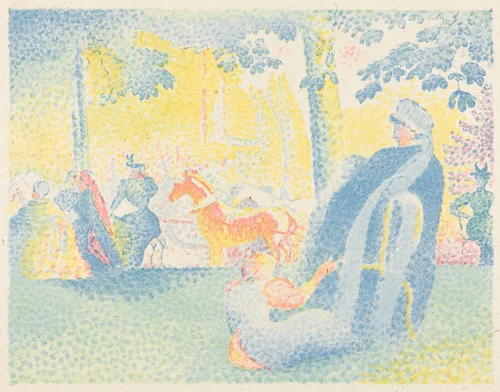
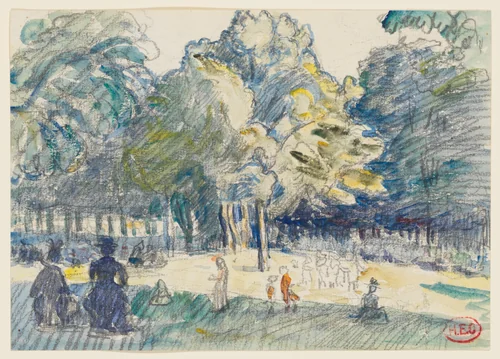
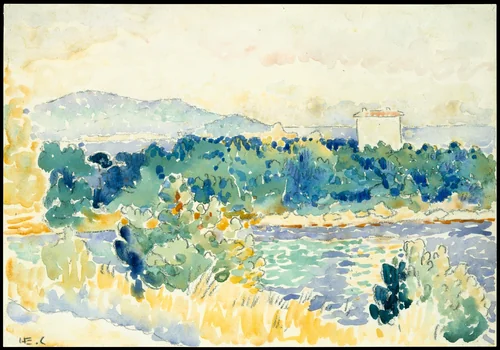
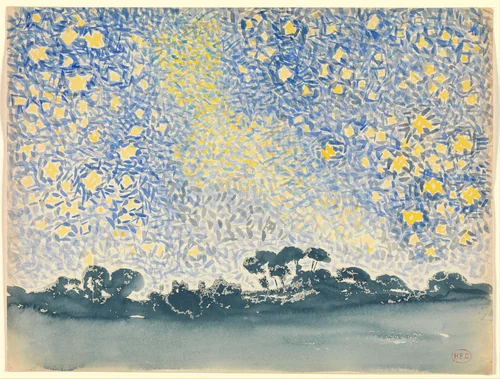
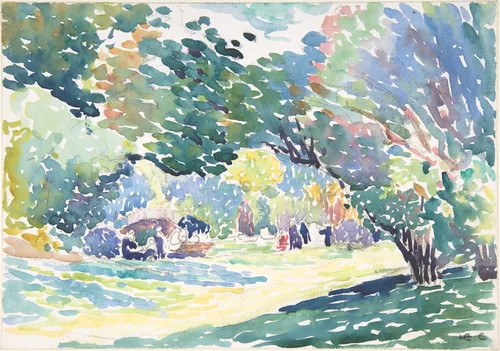
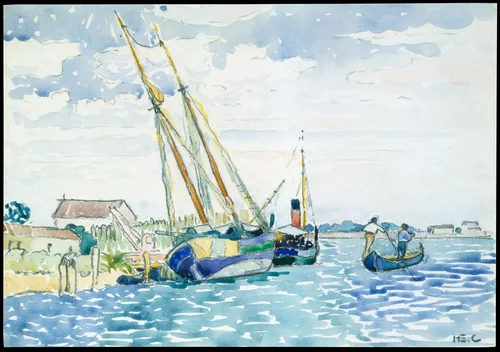
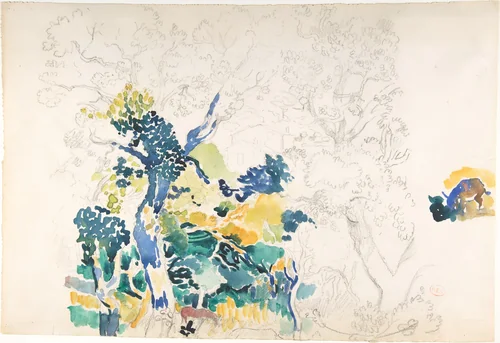
Unlike the precise, rigorous dot application characterizing early Pointillism, Cross evolved the technique during the 1890s, employing broader, distinct, and blockier strokes of pure color that allowed for increased luminosity and surface texture. He was instrumental in transforming the strict optical application into a more textured field of vision, prioritizing vibrant visual effect over mechanical precision. This method is expertly demonstrated in vibrant canvases such as Pines on the Coastline and Les Champs Élysées. His dedication to creating intense optical mixtures, even at the expense of traditional rendering, elevated the canvas surface itself into a shimmering mosaic of light.
The historical significance of Cross extends well beyond the confines of Neo-Impressionism. His innovative application of highly saturated, non-local color directly paved the way for the emergence of Fauvism. Young artists like Henri Matisse studied Cross’s method closely, extracting the radical potential of pure, unblended color to define form, space, and emotion. In essence, Cross demonstrated how to use color not just to describe reality, but to construct a new, emotionally charged reality. Because the rights to much of his output have expired, major Henri-Edmond Cross paintings and high-quality prints are now widely available as downloadable artwork, ensuring his foundational contributions to modern color theory remain accessible to scholars and admirers worldwide. His work, preserved in institutions like the Cleveland Museum of Art and the Metropolitan Museum of Art, remains a touchstone for understanding the origins of modern chromatic expression.
Source: Wikipedia · CC BY-SA 4.0