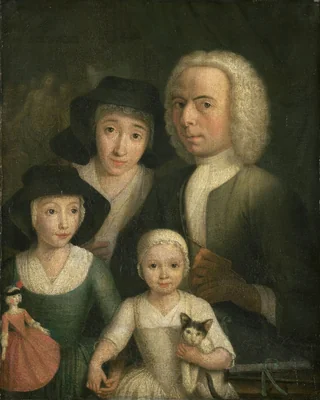
Hendrik Spilman
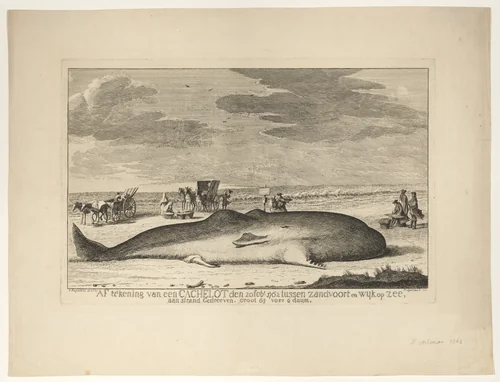
Hendrik Spilman (1721–1784) emerged from the Dutch Republic in the mid-eighteenth century as a highly skilled painter and engraver whose corpus offers a precise visual record of the nation’s architectural heritage. While the 17th century excelled in expansive painted landscapes, the 18th century saw a significant shift toward graphic documentation, making engravers like Spilman central to the visual culture of the era. His substantial contribution, consisting primarily of thirteen prints and two surviving drawings, is held in major repositories, most notably the Rijksmuseum.
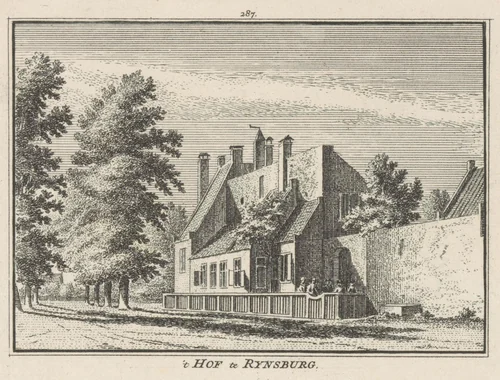
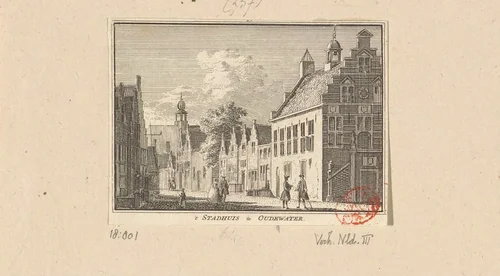
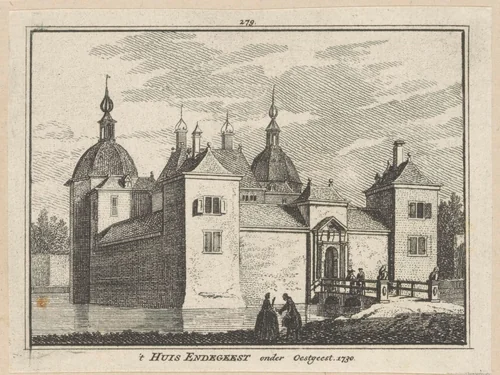
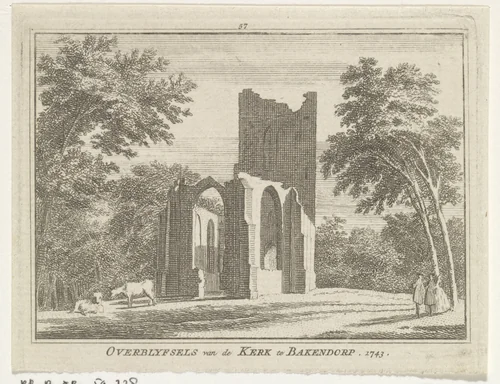
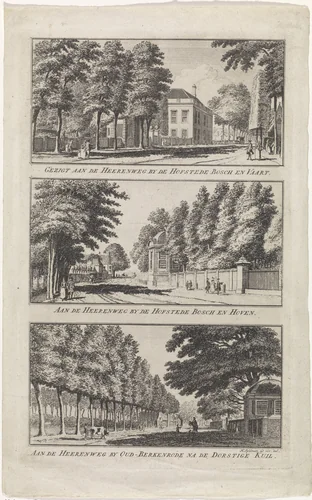
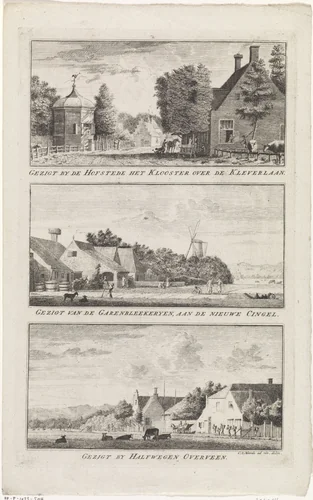
Spilman dedicated his considerable technical proficiency to capturing the precise features of the nation’s civic architecture and domestic settings. His prints function not merely as picturesque views but as meticulously rendered historical documents. He was deeply adept at translating the varied textures of brick, stone, and timber onto the copper plate, lending a remarkable solidity to his subjects. This skill is evident in demanding views such as Gezicht op kasteel Doornenburg and the precise ecclesiastical documentation found in De St. Plechelmuskerk te Oldenzaal. Such detailed works satisfied a considerable contemporary demand for accurate, reproducible topographical imagery, cementing Spilman’s reputation during his active period.
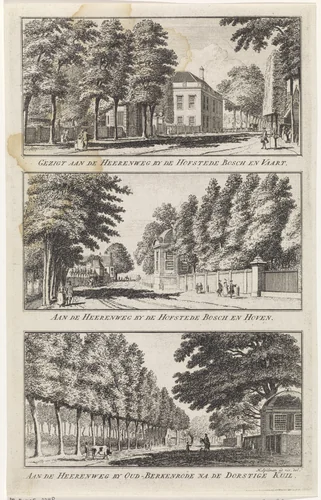
The subject matter often centered on specific, verifiable locations in regions like Twente, emphasizing a documentary impulse. His views of historic manor houses, such as De havezathe Heeckeren bij Goor, in Twente, contrast subtly with the quiet intimacy of scenes depicting vernacular life, exemplified by the half-timbered architecture recorded in Gezicht in een dorp met huizen met vakwerk. A consistent feature across his output is his prioritization of the structure itself; human figures in his scenes rarely engage in narrative action, serving instead as sophisticated measuring devices that establish the imposing scale of the architecture. One could argue that Spilman saw the built environment, rather than the bustling populace, as the true protagonist of the Dutch landscape.
Today, the documentary value of his work ensures its continued visibility. As key examples of early topographical rendering, many of his high-quality prints are now widely accessible as downloadable artwork. This transition into the public domain ensures that researchers and enthusiasts alike can easily access these foundational Hendrik Spilman prints, testifying to his enduring contribution to 18th-century graphic arts.
Source: Wikipedia · CC BY-SA 4.0