Hendrik Pothoven
Hendrik Pothoven (active 1735-1779) was an influential 18th-century drawer and painter whose career bridges the formal traditions of the Dutch Golden Age with the shifting cultural demands of the late Republic. His institutional standing is confirmed by the sustained inclusion of his works in prestigious Dutch collections, notably the Mauritshuis and the Rijksmuseum.
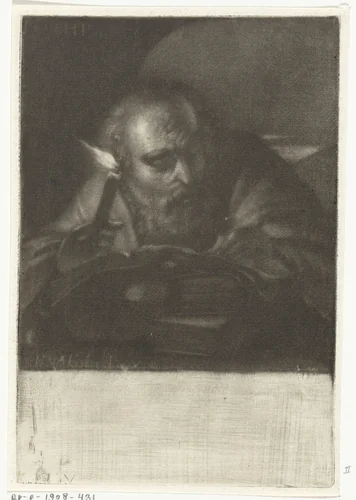
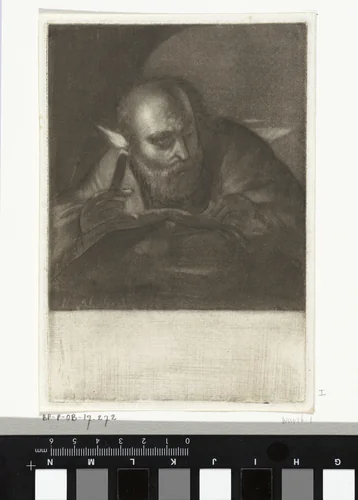
Pothoven established a reputation through his skillful handling of both genre scenes and formal portraiture. His most frequently cited work, Lezende oude man bij kaarslicht, epitomizes the dramatic use of focused illumination that defined the candlelit genre tradition. Pothoven utilizes intense chiaroscuro to transform a simple act of reading into an intimate, concentrated moment of study, a visual technique that resonated strongly with contemporary audiences seeking works of contemplative piety or focused scholarship.
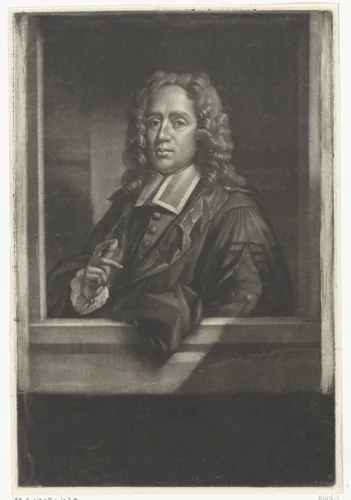
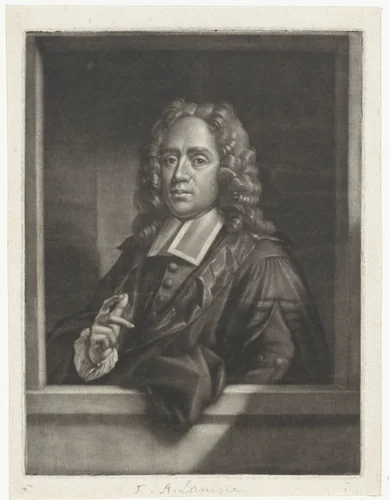
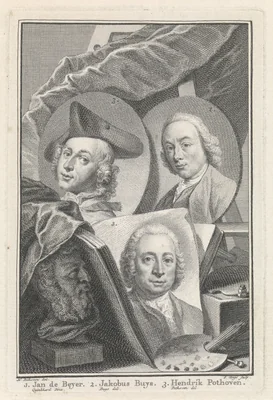
Crucially, Pothoven understood the emerging significance of reproductive media. His career demonstrates a pragmatic interplay between the unique oil painting and its subsequent dissemination through high-quality prints. He frequently executed detailed drawings that served as direct models for engravings or etchings, thereby extending the visibility and financial viability of his artistic output across the Republic and beyond. The creation of multiple versions of works, such as the formal Portret van Friedrich Adolph Lampe, ensured that his subjects, whether religious figures or civic leaders, achieved broad recognition.
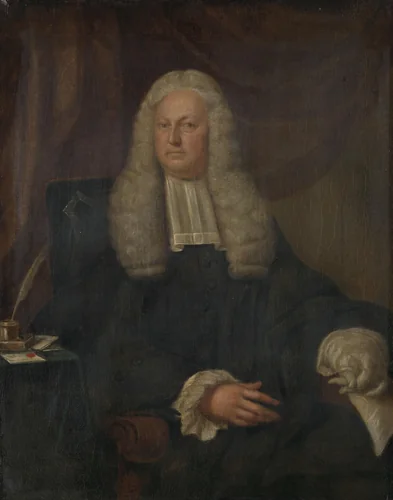
His dedication to capturing authority is further evident in commissions like the Portrait of Harmen Hendrik van de Poll, Burgomaster of Amsterdam. In this work, Pothoven achieves a dignified representation that suggests the subject’s substantial weight within the city’s political apparatus. One might observe that Pothoven seemed to specialize in capturing sitters who had rather serious things to think about, expertly conveying the gravity of 18th-century officialdom without undue stiffness.
Pothoven’s dual practice as both an originator and a reproducer of images cemented his position within the 18th-century art world. Today, the enduring interest in his work has made his compositions highly accessible. Many of his detailed drawings and finished impressions are now considered public domain assets; high-quality prints and downloadable artwork are frequently utilized by historians seeking authentic visual documentation of the era. Pothoven remains a vital conduit for understanding the nuanced visual culture of the Dutch Republic just prior to the close of the century.
Source: Wikipedia · CC BY-SA 4.0