Hendrik Pieter Koekkoek
Hendrik Pieter Koekkoek holds a firm place within the distinguished Koekkoek dynasty, one of the most prolific and influential families in 19th-century Dutch art. Born Pieter Hendrik, he elected to sign his works consistently as "H. P. Koekkoek," the designation by which he is primarily known today. As the son of the prominent landscape painter Marinus Adrianus Koekkoek the Elder, Hendrik Pieter inherited a rich artistic tradition rooted in the precise draftsmanship and poetic sensibilities of Dutch Romanticism.
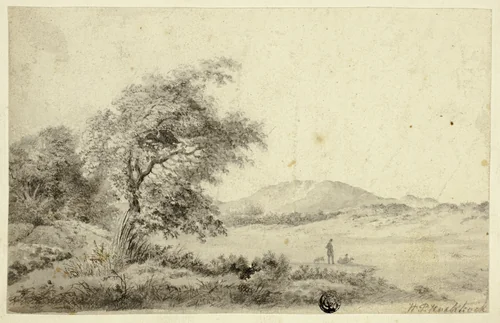
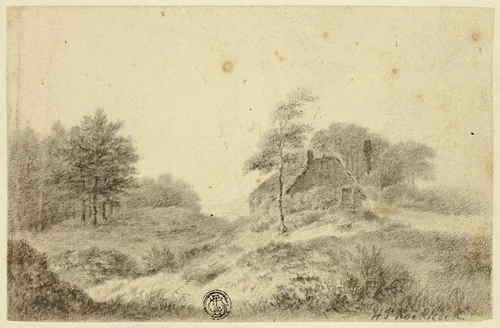
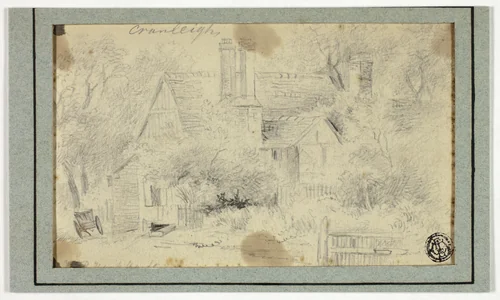
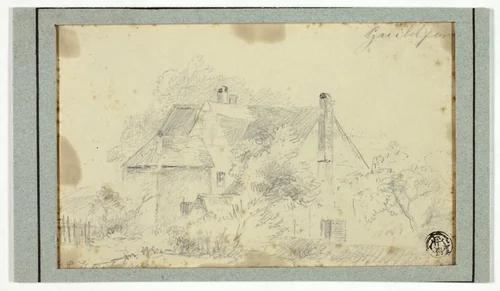
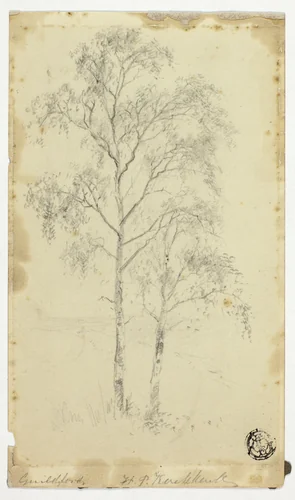
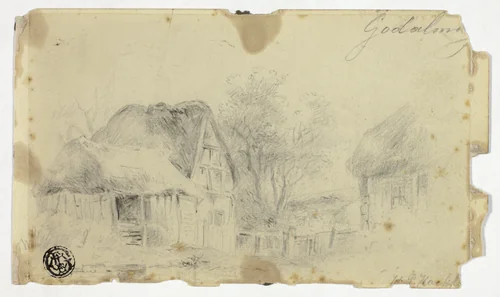
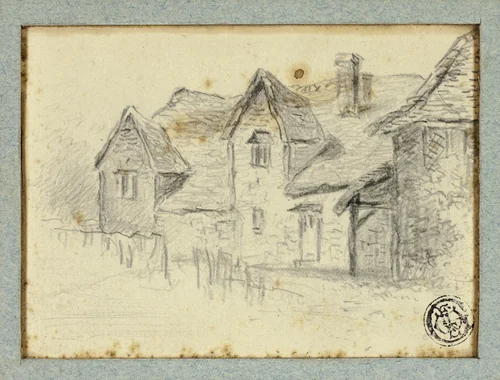
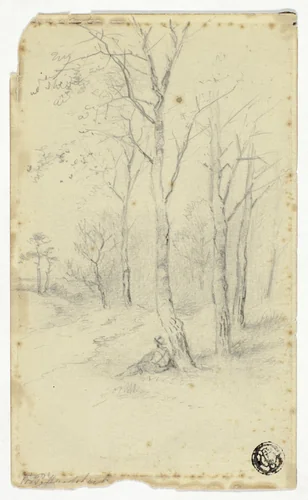
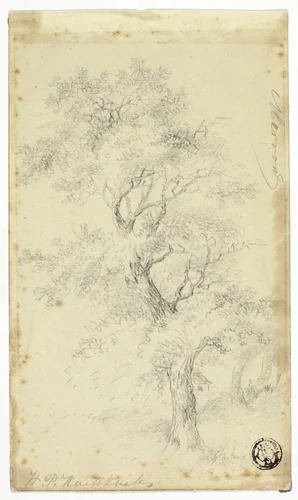
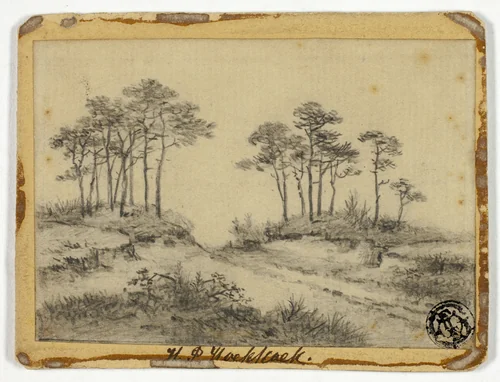
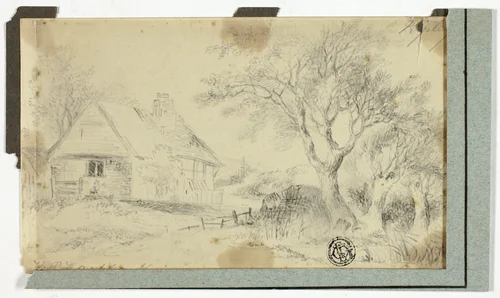
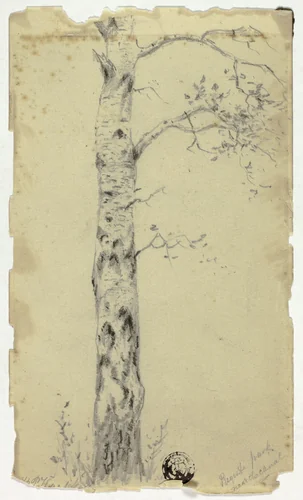
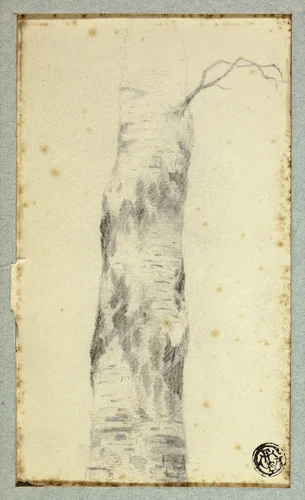
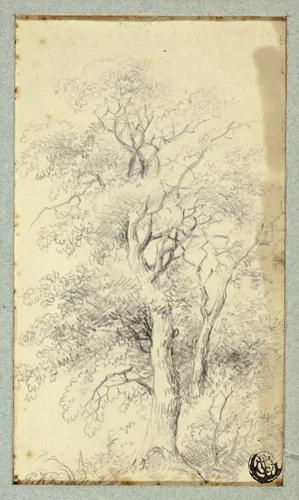
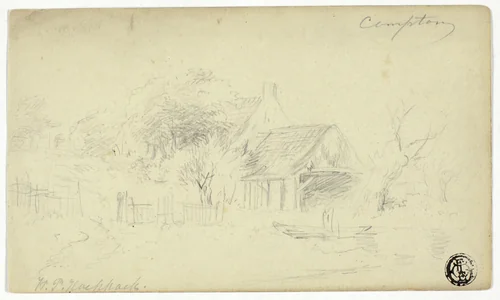
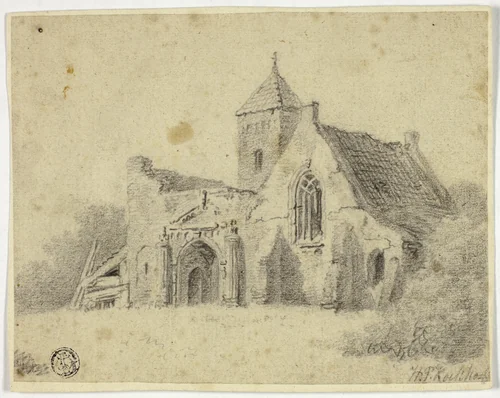
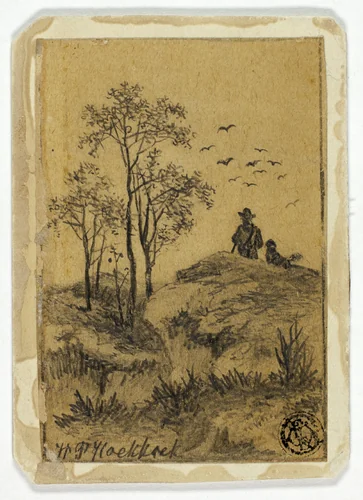
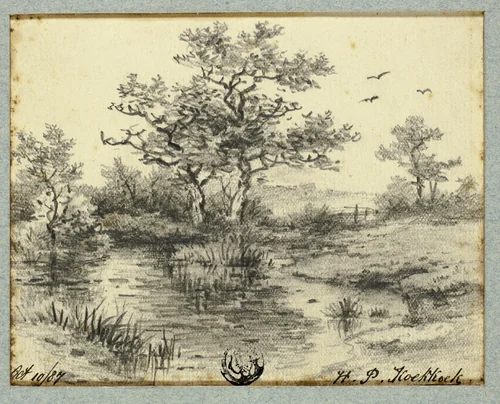
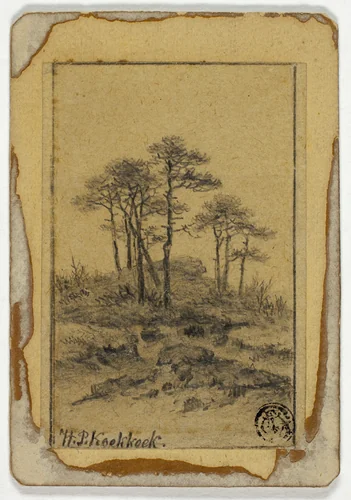
His known active period spanned a focused fourteen years, from 1863 to 1877, during which he specialized almost exclusively in intimate, detailed landscape studies. Koekkoek’s visual legacy centers on the nuanced interpretation of topography, characterized by the careful handling of light and shadow typical of the genre. His surviving oeuvre includes documented drawings and watercolors, frequently capturing specific English locales such as Cranleigh and Guildford. Unlike some contemporaries who chased dramatic continental vistas, Koekkoek focused on the tranquil mood of rural life, often integrating small human figures into the scenery, as seen in his composition, Landscape with Couple and Dog. His consistent renderings reflect a disciplined adherence to the family's meticulous standards for composition and atmospheric depth.
While the scale of his surviving work is modest, the quality ensures its lasting museum-quality interest. Important examples of his drawings are held in major American institutions, including the collection of the Art Institute of Chicago, testifying to the enduring appeal of his meticulous craft. The consistent rendering of his subject matter means that authentic Hendrik Pieter Koekkoek prints and drawings remain valuable resources for understanding late 19th-century Dutch output. The specific choice of "H. P. Koekkoek" as his professional signature, diverging slightly from his birth name, serves as an interesting, if minor, declaration of personal authorship within the formidable shadow of his artistic ancestors. Happily, many of the high-resolution images of his works, now residing in the public domain, are becoming increasingly available to scholars and collectors globally.
Source: Wikipedia · CC BY-SA 4.0