Hendrik Hondius I
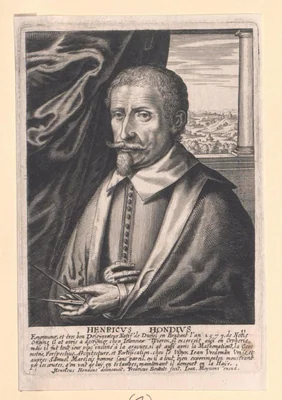
Hendrik Hondius I (c. 1568–1629) was a pivotal figure in the Northern European print culture of the late sixteenth and early seventeenth centuries. Trained in the highly competitive artistic environment of Flanders, this formidable master engraver, cartographer, and publisher ultimately established his lasting legacy following his strategic settlement in the Dutch Republic around 1597. Hondius’s importance resides not only in his skilled craftsmanship but in his decisive role as a publisher who capitalized on the burgeoning intellectual market of the newly independent Netherlands.
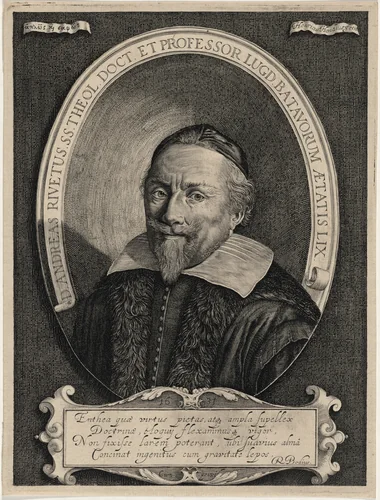
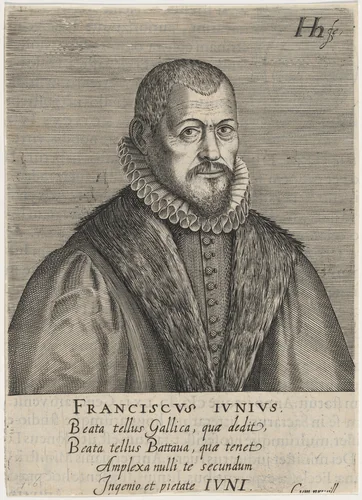
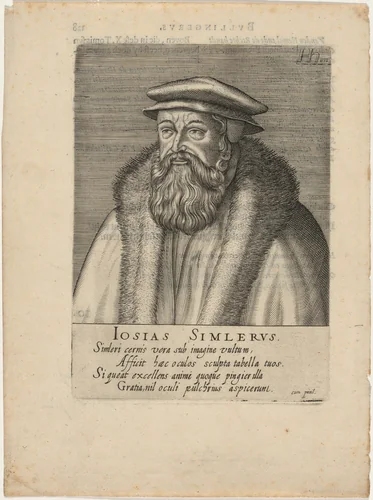
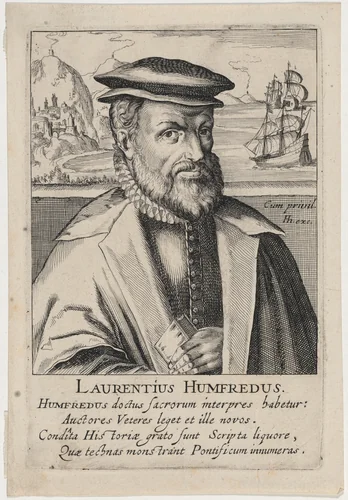
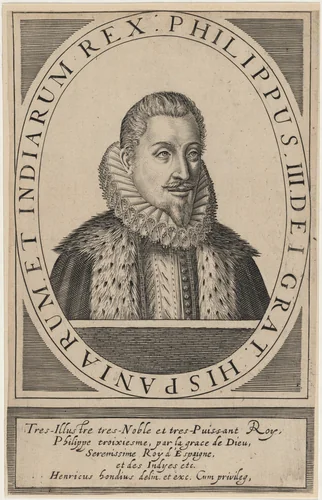
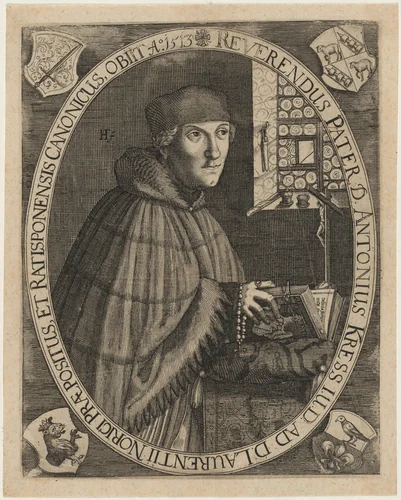
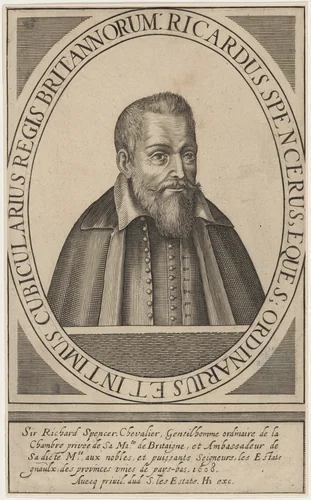
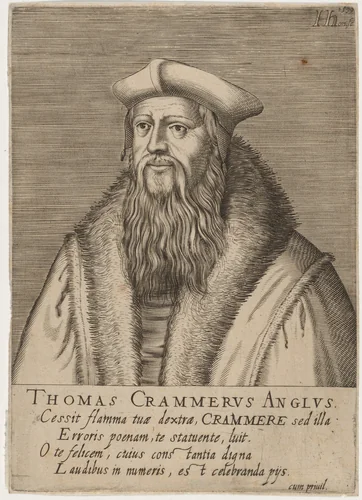
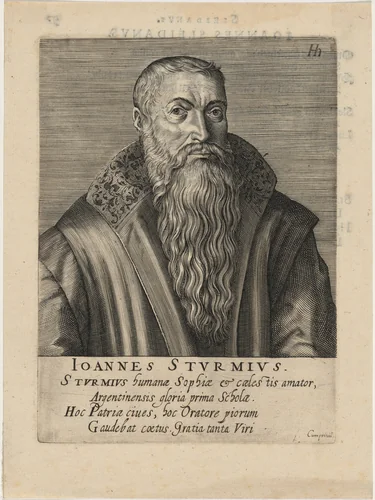
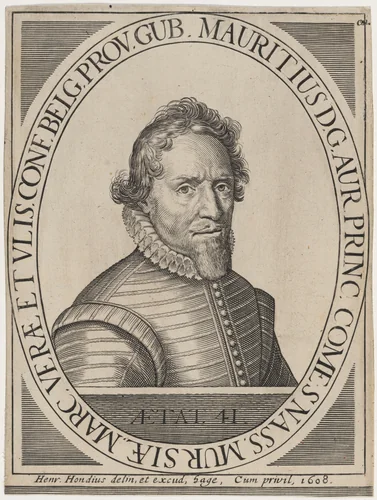
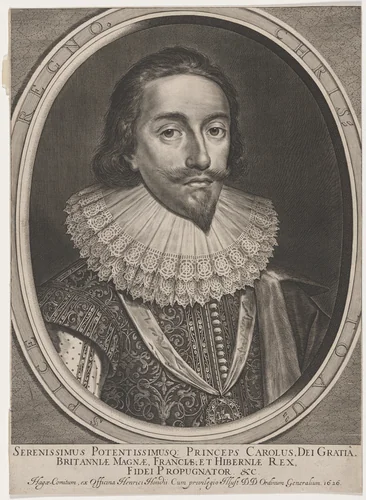
Hondius’s artistic output focused heavily on meticulous portraiture and detailed topographical views, aligning his practice with the humanist desire to visually catalogue the world’s eminent personalities and geography. His print series functioned as a veritable ‘Who’s Who’ of European power, academia, and religion, offering the first widely distributed visual records of influential figures to a public hungry for knowledge and accessible imagery. Works such as Andreas Rivetus, Doctor of Divinity and Professor, and the commanding state portrait of Philip III, King of Spain, exemplify his ability to translate intellectual authority and political stature into finely wrought copperplate prints.
While his training originated in the expansive, detail-oriented style of the Southern Netherlands, Hondius proved remarkably adaptable, mastering the more restrained and intellectually focused precision favored by his Dutch clientele. He skillfully managed the economics of production, understanding that the greatest influence often came not from the singular artwork, but from its reproducible format. His successful transition from pure artist to shrewd businessman helped cement the Dutch Republic’s status as the epicenter of print dissemination.
Today, scholars continue to study his prolific output, which is held in major international holdings including the National Gallery of Art. The accessibility of his visual catalogue is excellent; many Hendrik Hondius I prints are now in the public domain, making them highly valuable and easily available as downloadable artwork for enthusiasts and historians alike. This persistent availability ensures that these museum-quality historical documents remain vital resources for understanding the visual politics of the Dutch Golden Age.
Source: Wikipedia · CC BY-SA 4.0