Hendrik Goudt
Hendrik Goudt (c. 1583-1648) occupies a distinct, albeit brief, place within the development of the Dutch Golden Age. Active primarily as a highly skilled printmaker, draftsman, and occasional painter between 1603 and 1613, his compact output, consisting of only thirteen known prints, achieved a disproportionate influence across Northern Europe. Goudt is primarily known today for his profound artistic engagement with the work of the German master Adam Elsheimer, effectively serving as the conduit through which Elsheimer’s innovative visual language was disseminated to a wider audience. He was less an inventor than an expert interpreter, skillfully translating Elsheimer’s novel approaches to nocturnal scenes and complex religious subjects into the reproductive medium of engraving.
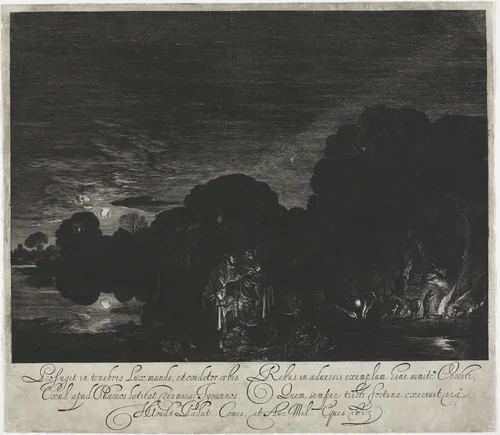
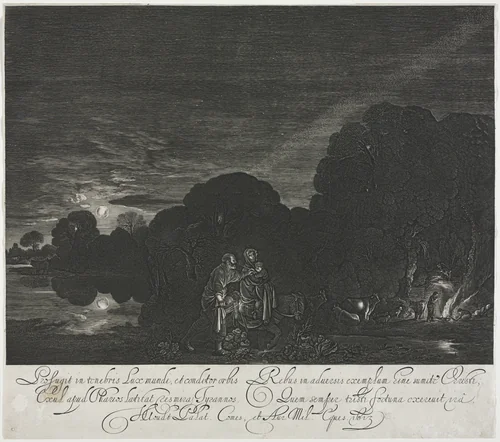
The core of Goudt’s artistic identity rests upon his meticulous technical execution. His work, which included both landscapes and religious subjects, effectively disseminated the crucial technical innovations of his predecessor, particularly the use of dramatic chiaroscuro and highly focused illumination. The technical demands of Goudt’s intricate engravings ensured their status as early museum-quality examples of the medium. It is worth noting that Goudt’s brief, decade-long career in printmaking suggests a burning focus, resulting in a concise yet powerful body of work.
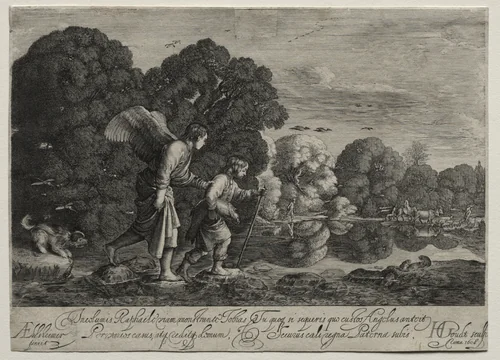
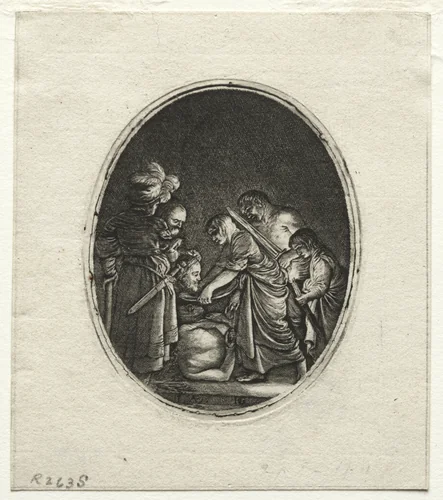
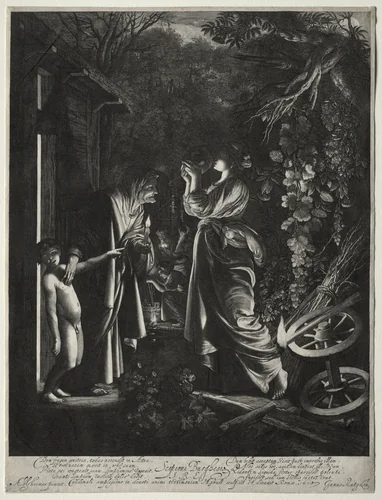
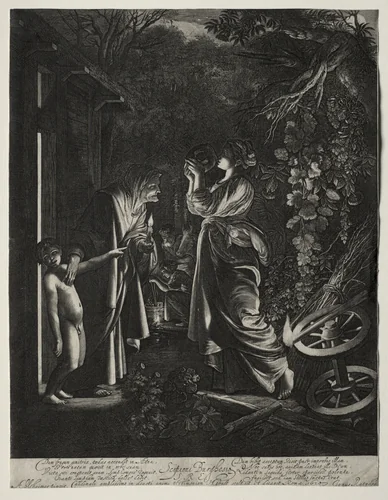
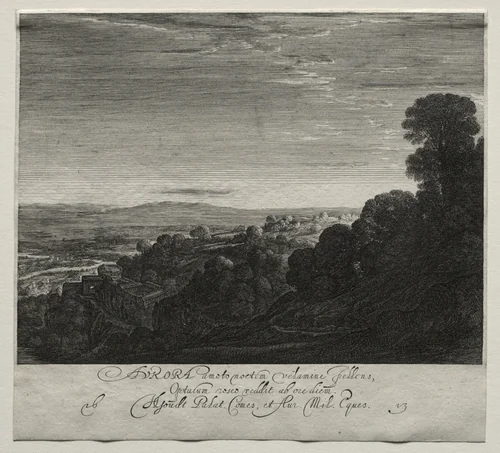
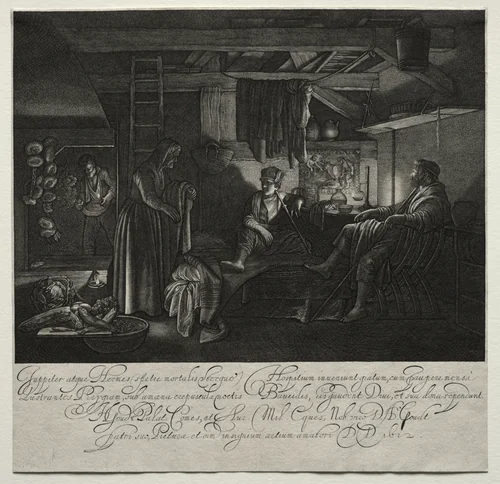
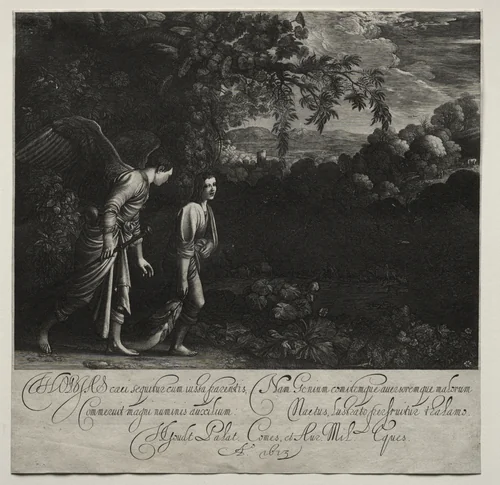
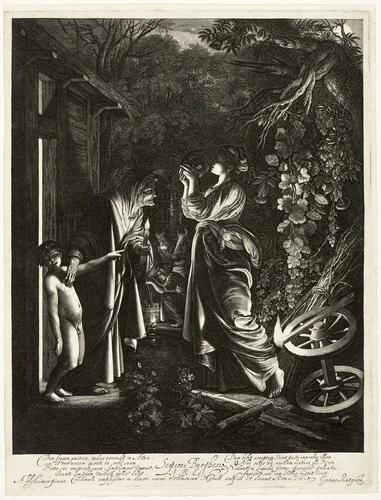
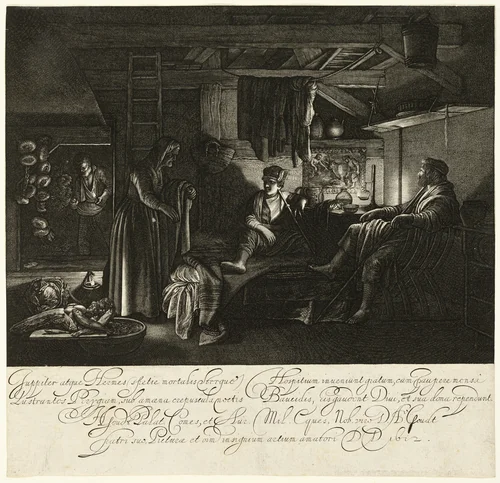
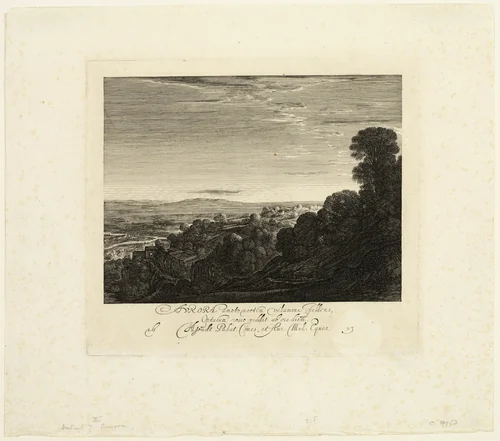
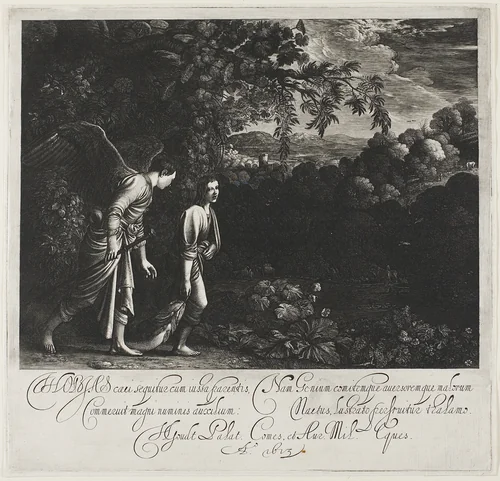
Major surviving examples demonstrate this technical mastery, including the delicate etching Tobias and the Angel (small plate), the dynamically rendered The Beheading of Saint John the Baptist, and the mythological scene The Mocking of Ceres, a subject he treated in at least two different plates. His celebrated light study, Aurora, highlights his particular facility in rendering complex atmospheric effects.
Despite the relatively small scale of his surviving oeuvre, Goudt’s impact was sustained through the wide circulation of these reproducible prints. His technique ensured that the visual sophistication of Roman-influenced artists like Elsheimer found a substantial audience among Northern European collectors. Today, Goudt’s work resides in major international institutions, including the Art Institute of Chicago and the Cleveland Museum of Art, and continues to be studied for its technical brilliance. Fortunately, many of the artist’s finest known pieces are now in the public domain, offering art historians and enthusiasts access to high-quality prints and downloadable artwork, thereby ensuring the continued appreciation of this pivotal, yet fleeting, Golden Age figure.
Source: Wikipedia · CC BY-SA 4.0