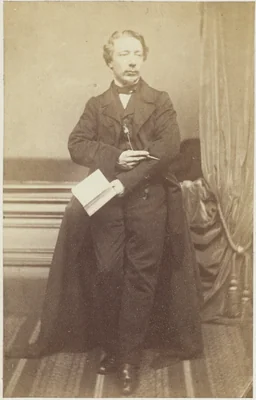
Hendrik Dirk Kruseman van Elten
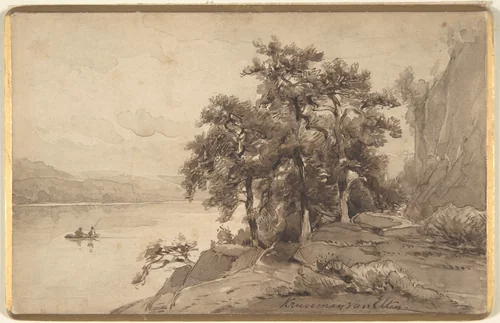
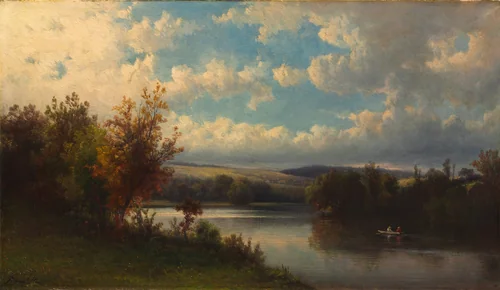
Hendrik Dirk Kruseman van Elten established himself as a distinctive Dutch landscape painter and graphic artist during the mid-nineteenth century, mastering both traditional oil painting and the exacting processes of etching and lithography. This dual facility allowed him to operate successfully within the confines of established academic art while simultaneously pushing toward the observational naturalism that characterized the later decades of the century.
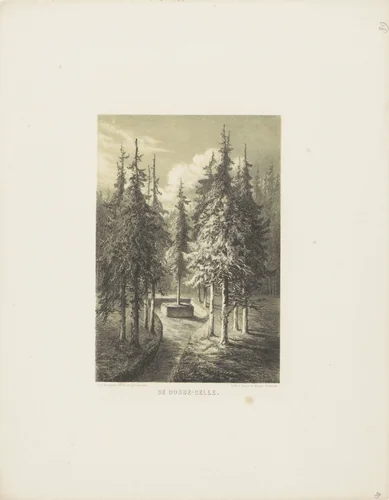
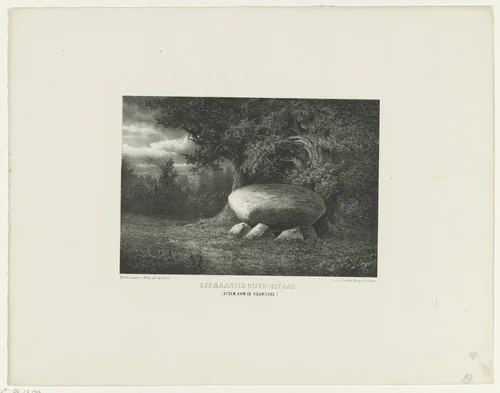
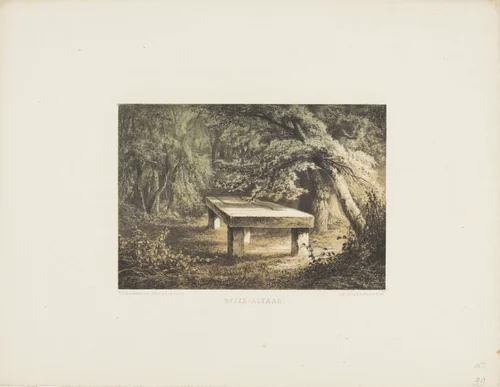
Born in 1826, Kruseman van Elten’s primary focus remained the evocative portrayal of the northern European terrain. His canvases often juxtaposed the tranquil beauty of the pastoral scene with the rugged permanence of ancient architecture, a dynamic balance exemplified by his known works such as Germaans offeraltaar and the more specific topographical study De Dobbe-Gelle. While the Wikipedia record notes only a small number of Kruseman van Elten paintings, his prolific contribution to printmaking ensures his historical footprint.
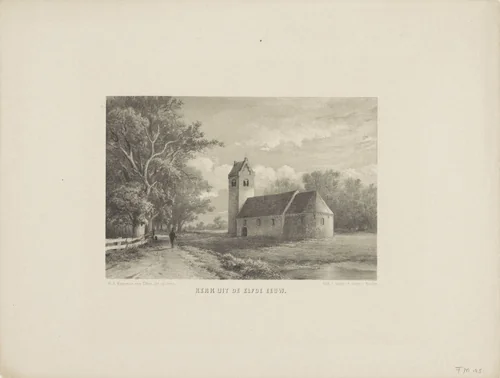
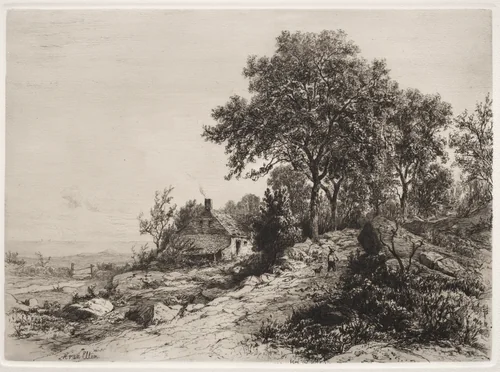
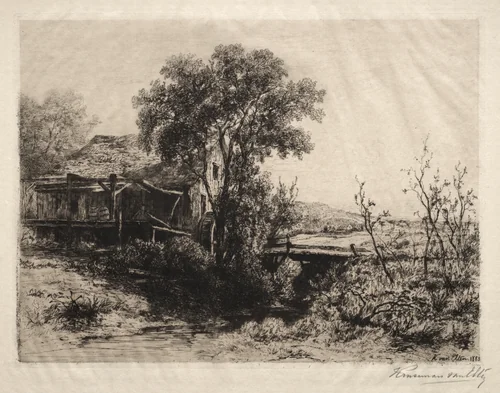
The graphic works, which constitute the majority of his surviving catalogue, demonstrate a mastery of line and depth essential for creating atmospheric scenes suitable for wide distribution. His willingness to focus on the minor, perhaps overlooked, structural elements, such as his work simply titled Kerk, 11e eeuw (Church, 11th Century), suggests an antiquarian sensibility paired with an artist’s eye for capturing the essential character of a location. It is worth noting that Kruseman van Elten’s enduring appeal lies in this synthesis of precise execution and romantic sensitivity.
The historical significance and museum-quality of his output are confirmed by the inclusion of Hendrik Dirk Kruseman van Elten prints in the permanent collections of prestigious institutions across continents, including the Rijksmuseum in Amsterdam, the Metropolitan Museum of Art in New York, and the Cleveland Museum of Art. For scholars and enthusiasts today, much of his material is now available as downloadable artwork, allowing for continued study and appreciation of his delicate and historically rich contribution to nineteenth-century Dutch art.
Source: Wikipedia · CC BY-SA 4.0