Hendrick ter Brugghen
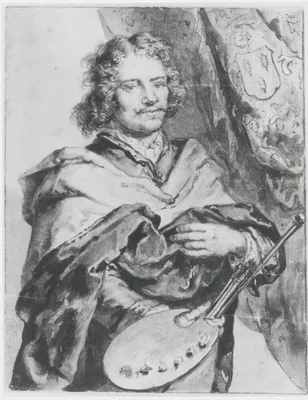
Hendrick Jansz ter Brugghen stands as a pivotal figure in 17th-century Dutch painting, celebrated for successfully integrating the dramatic realism of the Italian Baroque into Northern European artistic traditions. As one of the pre-eminent Utrecht Caravaggisti, Ter Brugghen was instrumental in transplanting the radical stylistic innovations of Michelangelo Merisi da Caravaggio to the Netherlands. Working primarily with religious subjects and genre scenes, his relatively short but influential career, active circa 1616 to 1624, nevertheless laid crucial groundwork for later Dutch masters of the Golden Age.
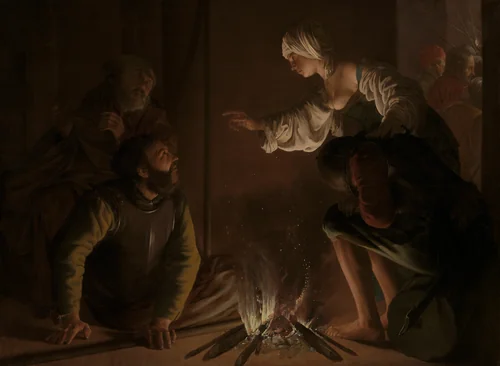
Ter Brugghen absorbed Caravaggio’s signature elements: powerful chiaroscuro, the strategic use of stark, directional lighting, and a commitment to painting figures drawn from everyday life, lending immediacy to both sacred and secular narratives. His approach often involved rendering figures life-sized and placing them close to the picture plane, ensuring maximum psychological impact on the viewer. Alongside contemporaries Gerrit van Hondhorst and Dirck van Baburen, Ter Brugghen ensured that the Italian master’s dramatic influence became deeply rooted in the Dutch school. Works such as The Denial of Saint Peter (currently held by the National Gallery of Art) demonstrate his mastery of complex lighting and intense emotional focus, utilizing figures whose expressions are sharply delineated by shadow. This meticulous attention to illumination and human drama ensures that authentic Hendrick ter Brugghen paintings remain objects of deep study in collections worldwide.
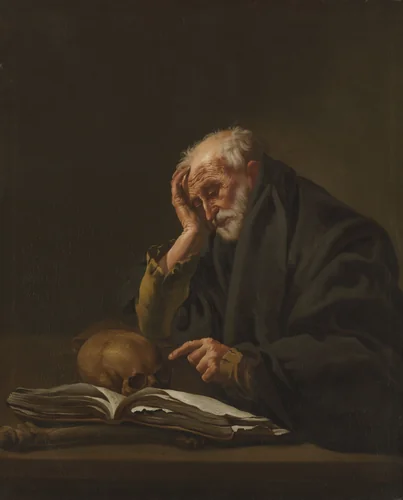
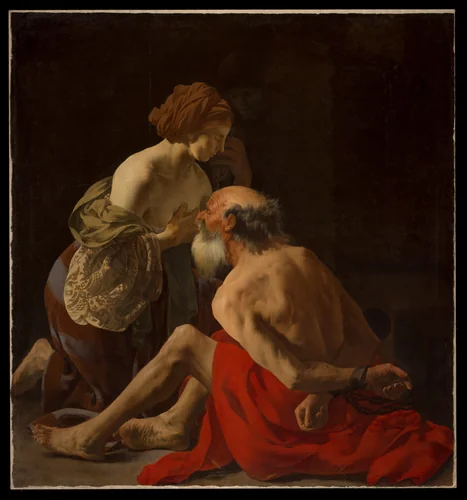
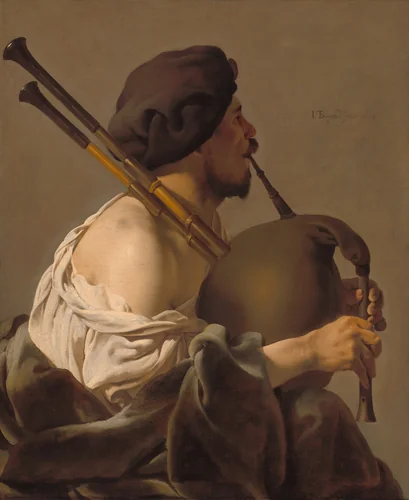
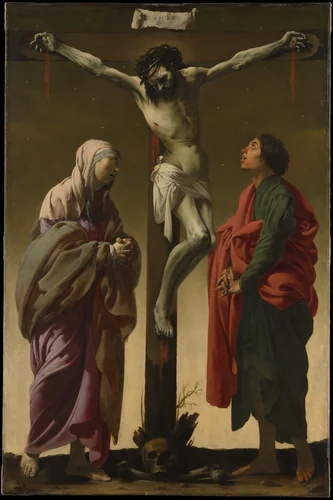
While acclaimed for large devotional pieces like The Crucifixion with the Virgin and Saint John, Ter Brugghen also excelled in intimate genre scenes. His Bagpipe Player is a compelling example of his knack for capturing ordinary individuals with an unusual gravity. His subjects rarely smile; instead, they regard the viewer with a sense of melancholic realism that is strikingly modern, lending an almost meditative dignity to everyday life. This underlying solemnity distinguishes his compositions from the often riotous tavern scenes produced by some of his peers. His commitment to realism ensured his works were swiftly absorbed into major institutions, including the Art Institute of Chicago and the Cleveland Museum of Art. Due to the historical nature of his oeuvre, many significant works, including his moving depiction of Saint Jerome or Roman Charity, are available today as high-quality prints and royalty-free images, allowing broad access to his pioneering contributions to Baroque art.
Source: Wikipedia · CC BY-SA 4.0