Hendrick Goudt
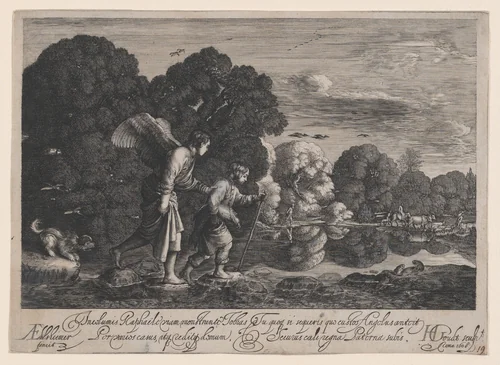
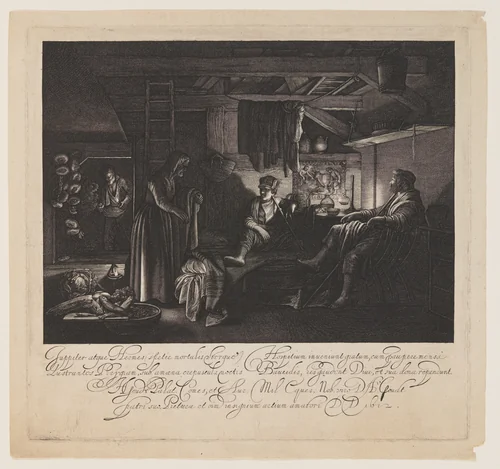
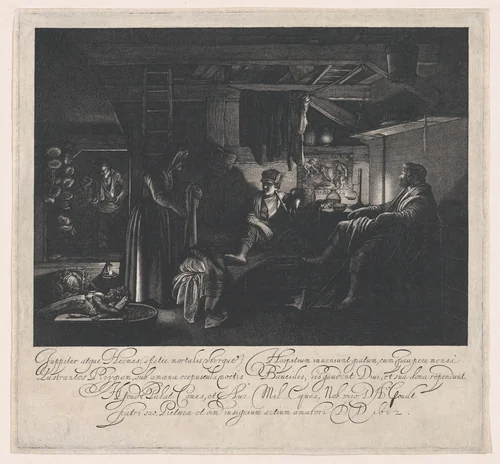
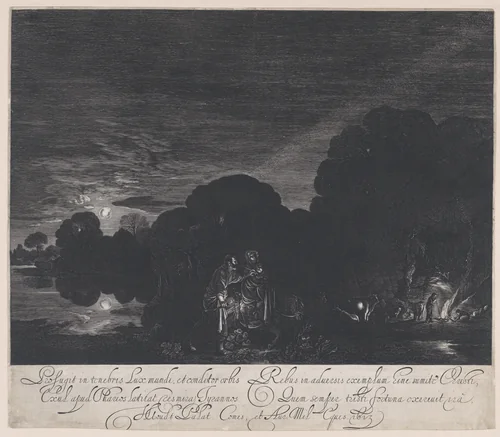
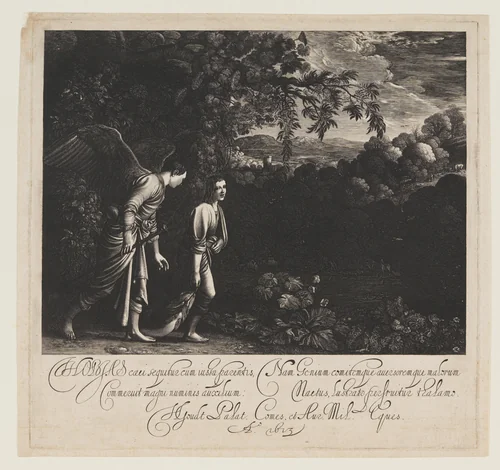
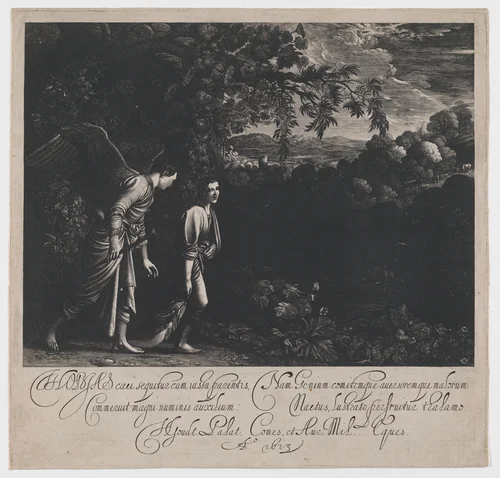
Hendrick Goudt (active 1578-1613) was a versatile Dutch Golden Age artist, recognized both as a painter and draftsman, but fundamentally important as a highly skilled printmaker. Operating within the dynamic intellectual climate of the Low Countries, Goudt dedicated a significant portion of his short active period to translating the complex, miniaturist compositions of the German artist Adam Elsheimer into etchings. This focused effort established Goudt as a central propagator of Elsheimer’s unique style, which synthesized German meticulousness with dramatic Italianate lighting across Europe.
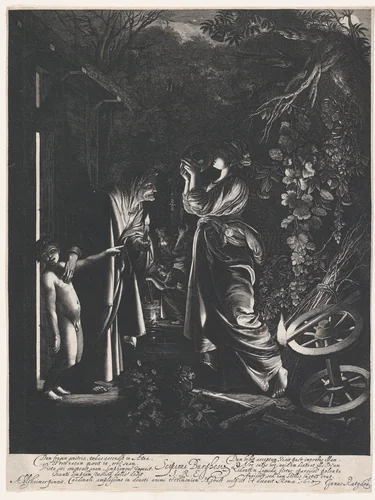
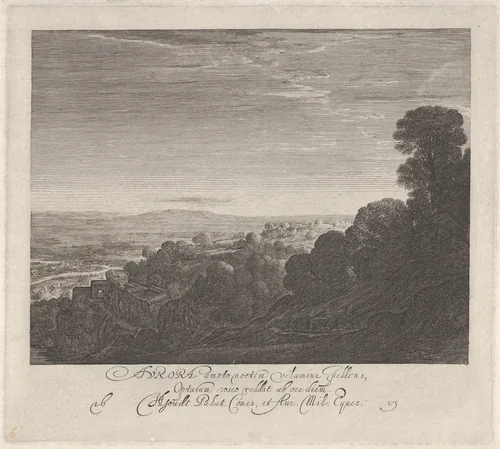
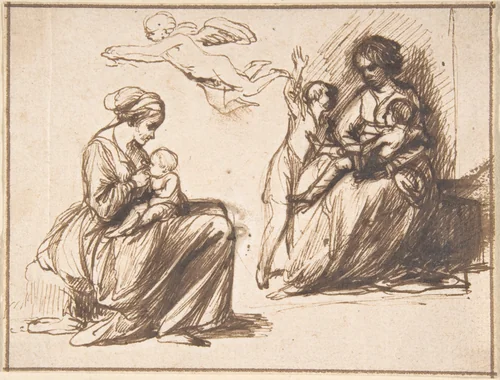
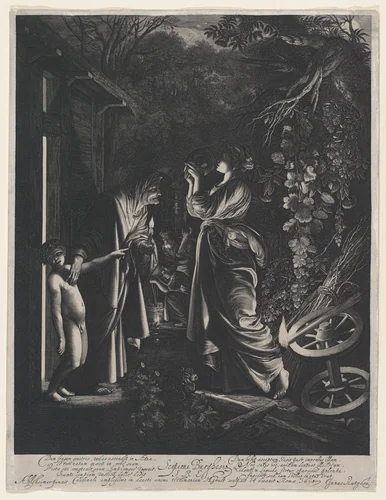
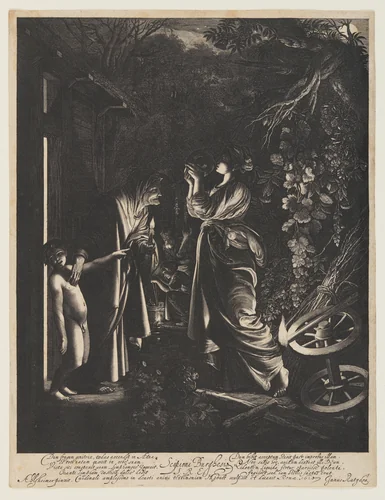
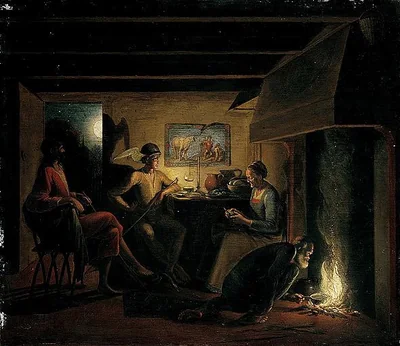
Goudt specialized in both religious subjects and evocative landscapes. Although the known catalog of his output is remarkably limited, comprising only fourteen prints and a single surviving drawing, the quality of this production secured his lasting place in art history. His handling of chiaroscuro, heavily influenced by Elsheimer's innovative use of nocturnal settings and intense illumination, is profoundly evident in pieces such as Ceres Searching for Her Daughter and the dramatic Aurora. The precision required for his work is highlighted by the detailed surviving preparatory sketch, the Study Sheet with Two Seated Children and an Angel. These Hendrick Goudt prints are characterized by their richness and atmospheric depth, requiring considerable technical mastery to execute in the engraving medium.
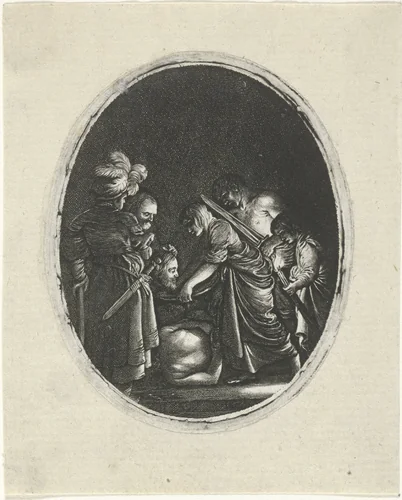
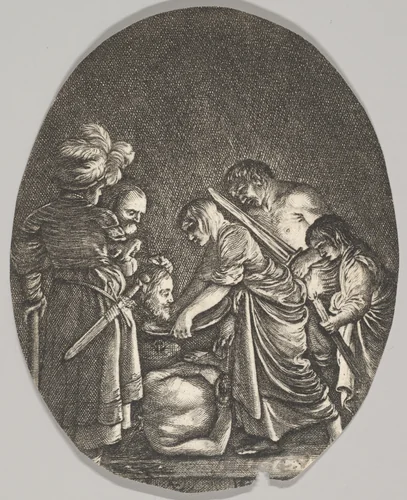
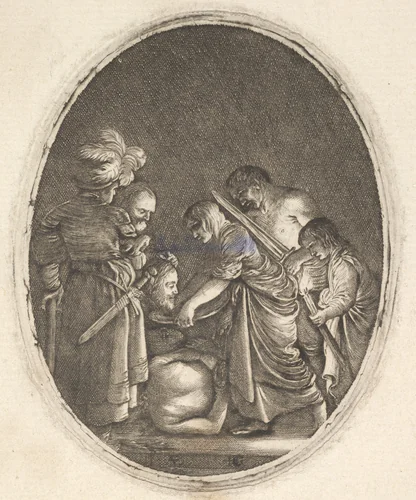
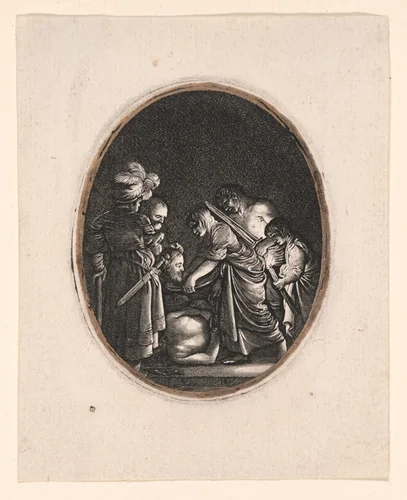
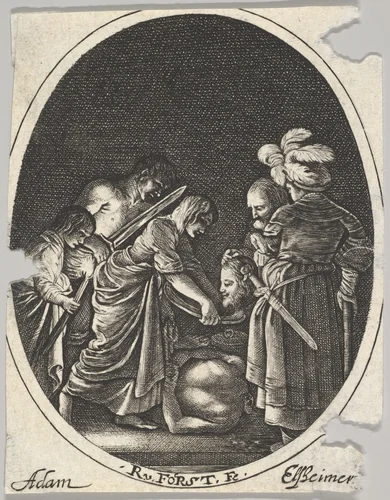
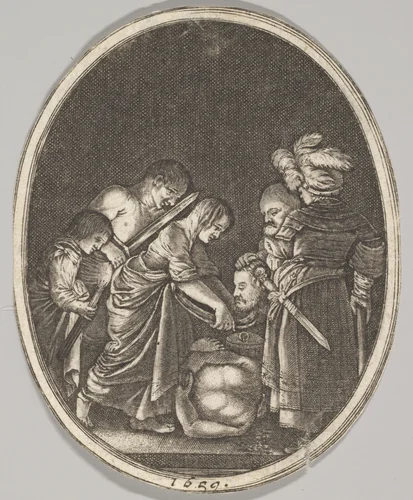
Goudt’s influence far exceeded the small number of works he personally produced, largely because his highly finished prints effectively disseminated Elsheimer’s revolutionary techniques to an international audience. Unlike some contemporaries who relied on dramatic gestures, Goudt often favored intense focus, making complex narratives feel intimate, as seen in the dark and psychological treatment of Presentatie van het hoofd van Johannes de Doper aan Salome. It is perhaps fitting that an artist responsible for popularizing another master's vision through reproduction left behind such a concise body of original work. Today, these rare pieces are held in major institutions worldwide, including the Rijksmuseum, the Metropolitan Museum of Art, and the Art Institute of Chicago. Researchers seeking museum-quality reproductions benefit from the fact that many of Goudt's original concepts now reside in the public domain, making high-quality prints widely accessible for study.
Source: Wikipedia · CC BY-SA 4.0