Helen Miller
Helen Miller occupies a significant, if specialized, position within the history of American decorative documentation. Active for a concentrated period between 1935 and 1936, her primary contribution centered on the meticulous recording of historical architectural and household designs, forming a crucial visual database of early American artistry. This effort was fundamental to the comprehensive Index of American Designs, an initiative that sought to preserve the aesthetic vocabulary of the nation during a period of intense economic strain.
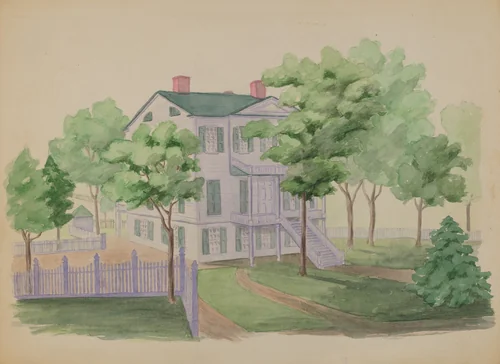
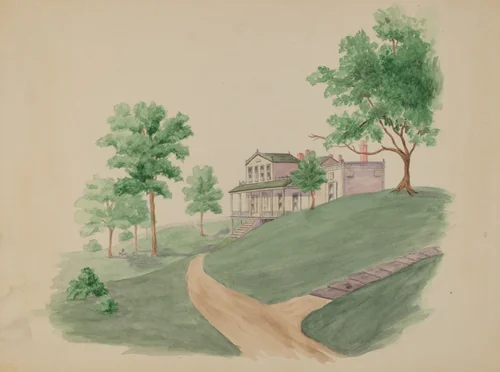
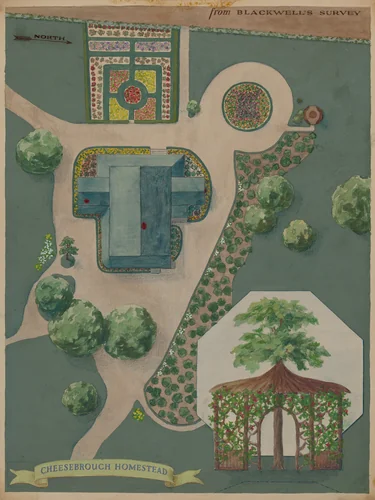
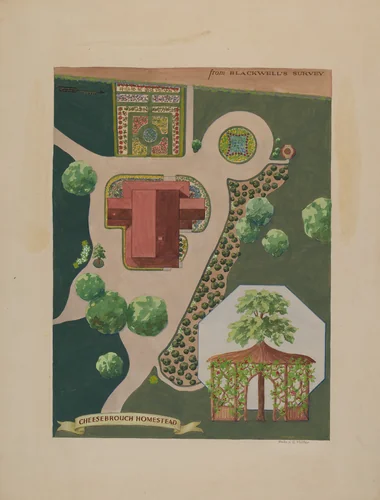
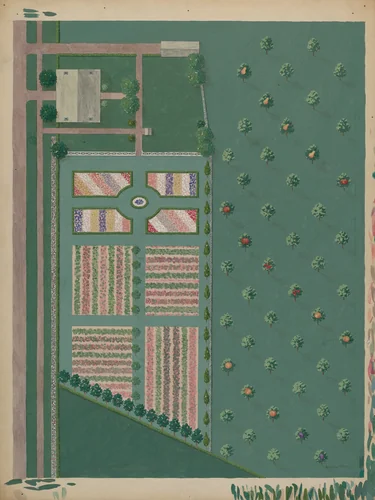
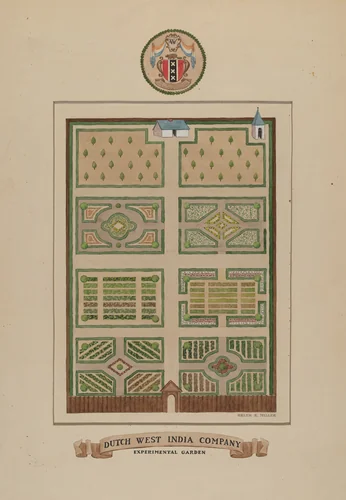
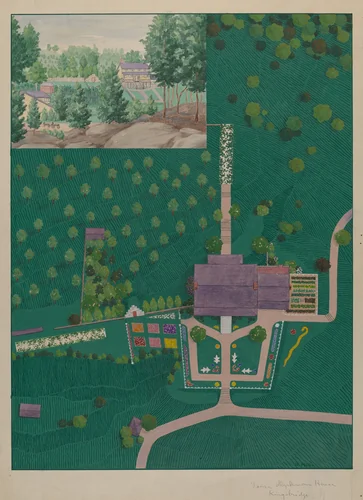
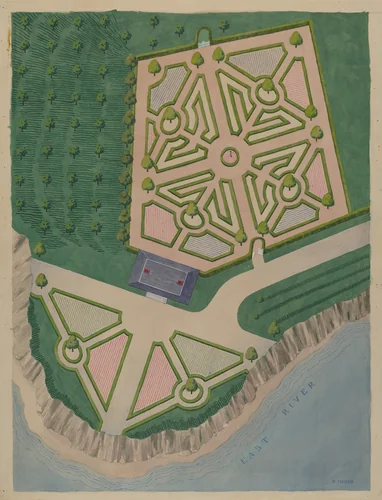
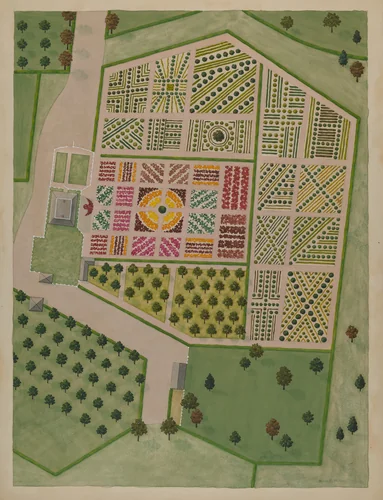
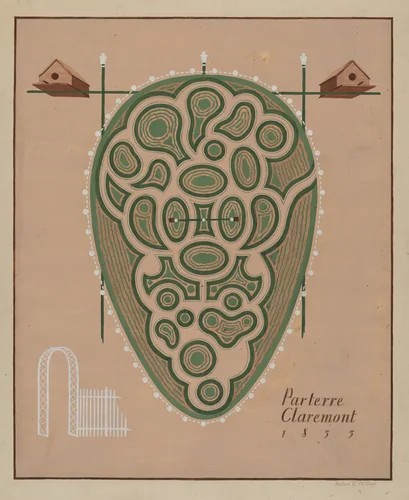
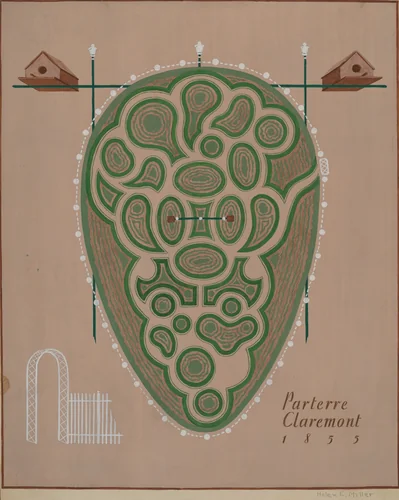
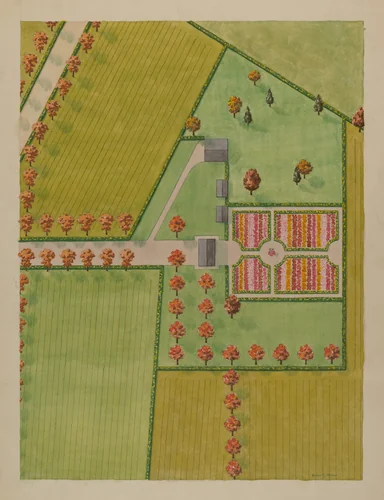
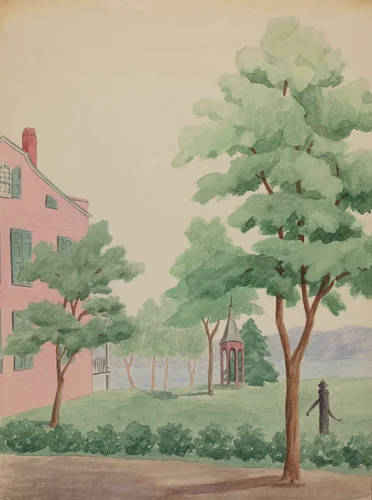
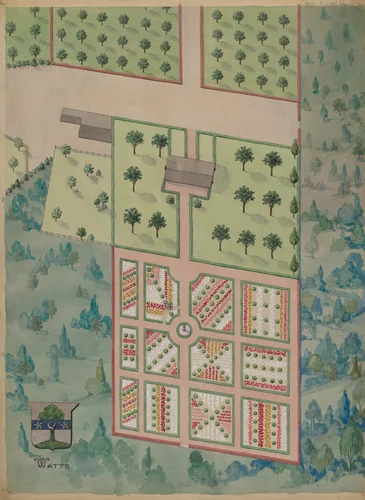
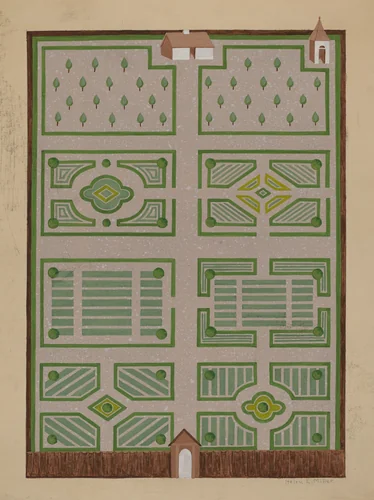
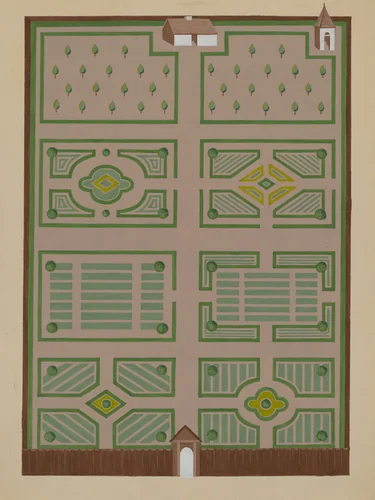
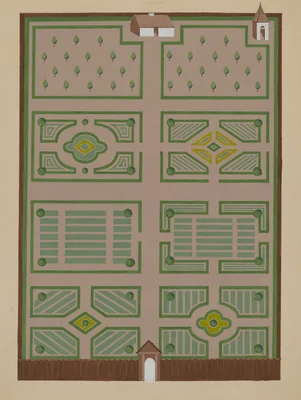
Miller’s portfolio includes 15 index of american designs, characterized by their exacting detail and technical precision. These works were not intended as personal artistic expression but as objective, museum-quality records of craftsmanship found in historically significant locales. Her assignments included extensive documentation of properties such as the Grenseback Estate, the Depeyster Estate and Garden, and multiple commissions related to the Cheeseborough Estate, capturing everything from wrought iron patterns to interior moldings. The accuracy of these drawings ensures that the original scale and texture of long-vanished or altered elements remain available for future study.
The enduring importance of Miller’s contribution is affirmed by the placement of her work within the permanent collection of the National Gallery of Art. Her tenure, though brief, produced records that continue to serve as essential reference points for architectural historians and preservationists.
The commonality of the name "Helen Miller" has occasionally led to confusion with contemporaries, including the American journalist or the well-known songwriter. However, the legacy of the Miller recognized in American design archives is singularly rooted in the quiet diligence of draftsmanship. Her work defined how decorative arts were systematically cataloged, ensuring that the details of the nation’s material culture were not lost to history. Today, these foundational drawings often form part of the public domain, making the visual data accessible for researchers seeking high-quality prints and royalty-free resources globally.