Heinrich Dreber
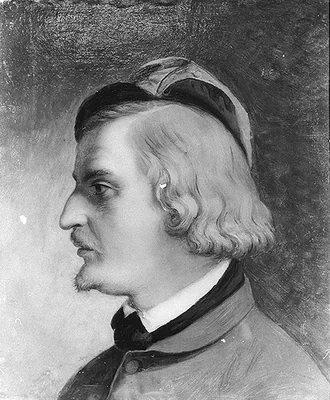
Heinrich Dreber, often cataloged under the composite name Franz-Dreber, occupies a distinctive position within the history of mid-19th century German landscape painting. Despite a comparatively brief professional window, active primarily during the 1840s and early 1850s, the precise detail and atmospheric quality of his works established his reputation among influential collectors, securing examples of his output in major institutions like the Metropolitan Museum of Art and the National Gallery of Art.
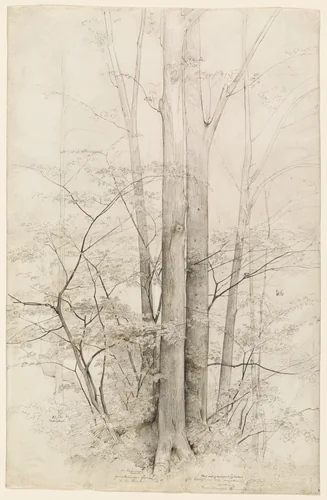
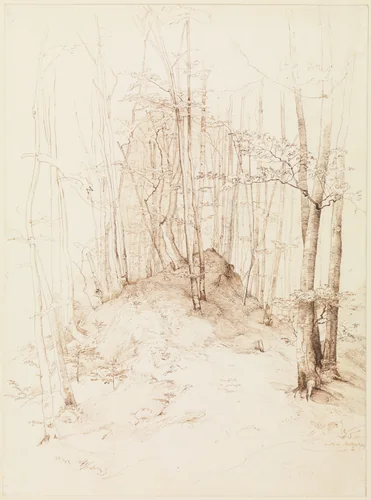
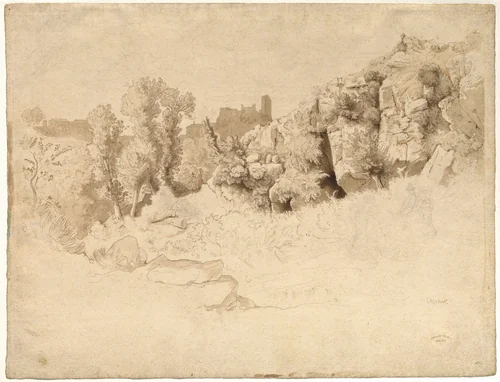
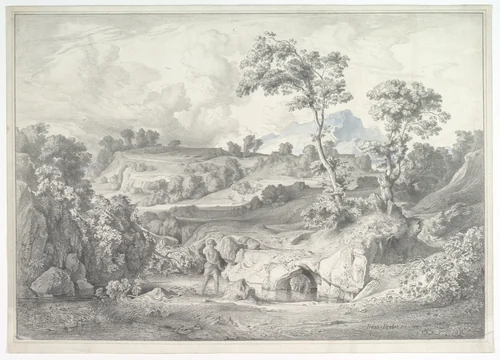
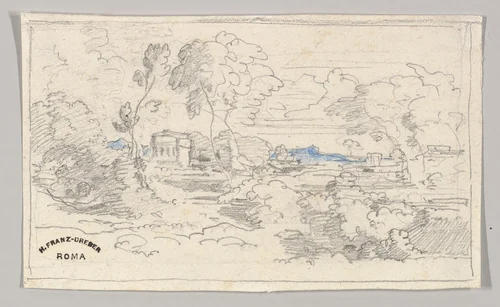
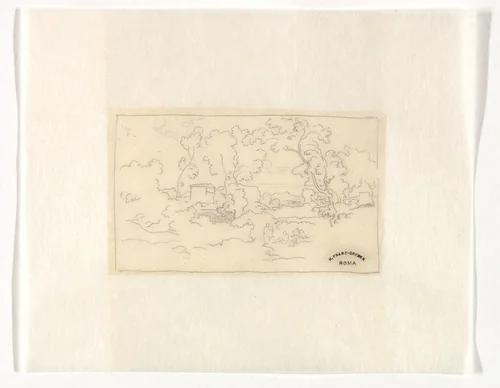
Dreber’s oeuvre navigates the complex artistic currents of the period, balancing the Romantic drive toward idealized Italian scenery with an emerging interest in rigorous, localized observation. While he is known for evocative views set in the classical south, such as Rock Formations near Olevano and the narrative-infused Southern landscape with a man and a snake, his German drawings reveal an equal commitment to meticulous specificity. These works, including Forest view in the Menterschweige district near Munich, stand as skillful examples of preparatory study and finished draughtsmanship, focused intensely on the structure of individual trees and the texture of the immediate topography.
The precision evident in his renderings suggests a powerful dedication to the formal elements of drawing, often lending his small-scale compositions a surprising monumentality. Dreber possessed a rare intellectual dexterity, comfortable equally documenting the familiar flora of Bavaria and constructing dramatic, invented classical landscapes, thus defining his particular contribution to the genre.
For contemporary researchers and enthusiasts of 19th-century drawing, Dreber’s legacy continues to expand. As institutions commit to accessibility, high-quality prints derived from his original works are increasingly available, often released as royalty-free or downloadable artwork, ensuring that the legacy of Heinrich Dreber prints remains an accessible reference point for the period’s visual culture.
Source: Wikipedia · CC BY-SA 4.0