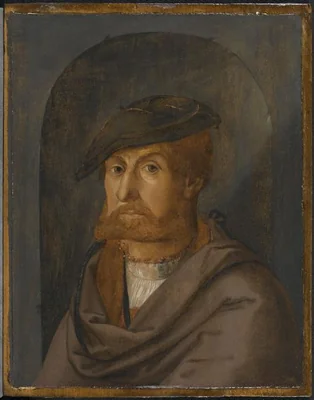
Heinrich Aldegrever
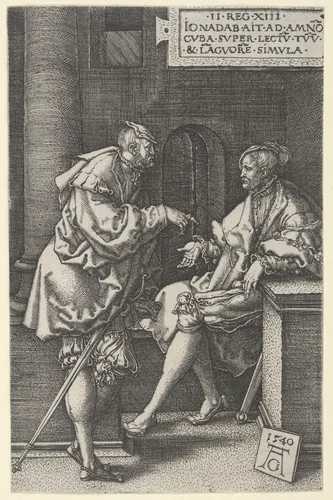
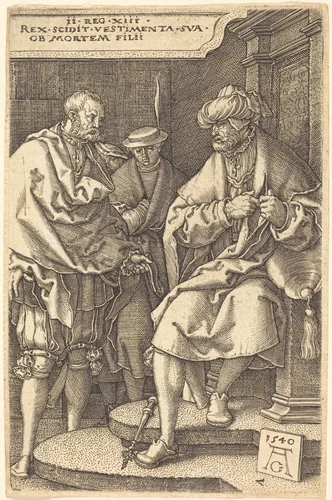
Heinrich Aldegrever (or Aldegraf) was a prominent German painter and, more critically, an engraver whose meticulous graphic work defined a trajectory in Northern Renaissance art during the early sixteenth century. Active primarily between 1502 and 1512, Aldegrever is historically grouped with the "Little Masters," a cohort of influential German artists who specialized in producing small-format old master prints in the generation immediately following the towering influence of Albrecht Dürer.
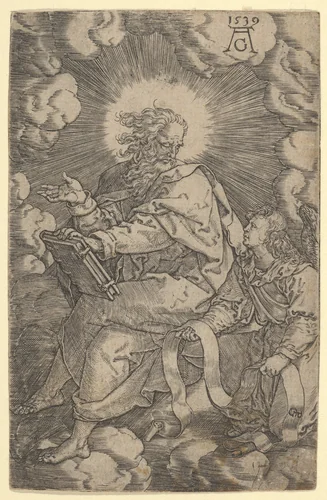
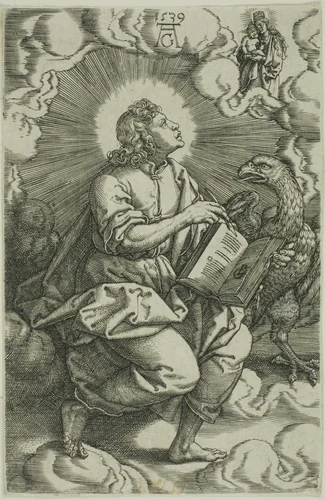
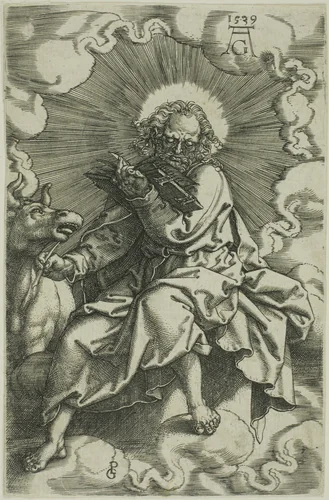
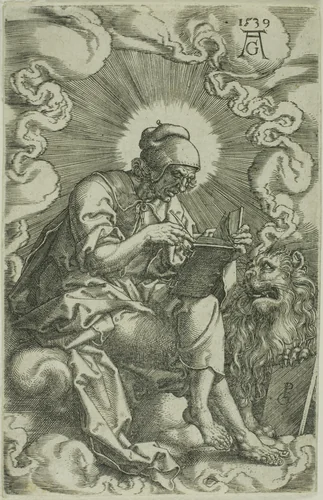
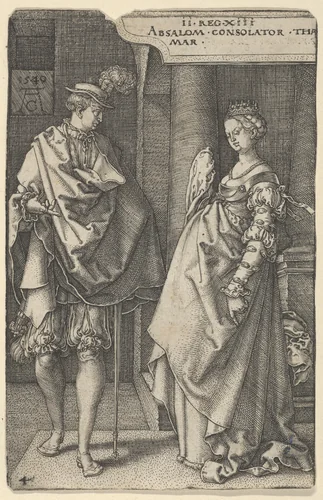
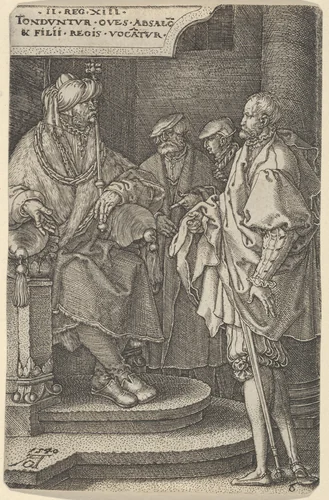
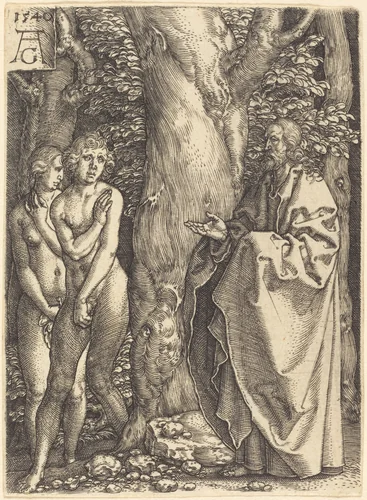
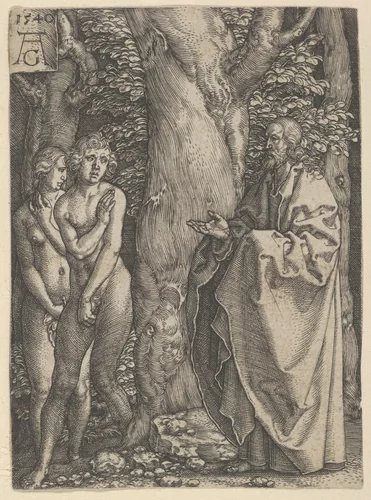
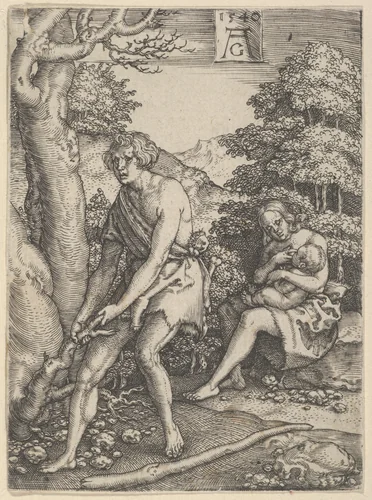
Aldegrever’s contribution lies in the exquisite miniaturization and technical command he brought to the copperplate. Unlike many contemporaries focused on grand altarpieces, Aldegrever embraced the accessibility of printmaking, creating compact compositions that were collected widely across Europe. His prints frequently demonstrate a sophisticated melding of classical ornamentation and contemporary German design, focusing heavily on mythological, allegorical, and satirical subjects. His output ranges from complex architectural ornamentation, as seen in the designs for functional items like Dagger Sheath with Gentleman Holding a Parrot, to stark religious critique, exemplified by the potent imagery of Dagger Sheath with the Whore of Babylon and the dramatic depiction of Eve.
While some Heinrich Aldegrever paintings exist, it is the sheer volume and precision of the Heinrich Aldegrever prints that secured his enduring reputation. His style is characterized by sharp linearity and an almost forensic attention to detail, a necessary feature given the miniature scale of the work.
Aldegrever documented the seismic social and religious shifts of his era with unflinching directness. His notorious depiction of the Anabaptist leader Jan van Leyden offers a chilling insight into the intensity of the radical Reformation politics surrounding Münster. It is perhaps worth observing that for an artist categorized as a “Little Master,” his ambition to document the colossal political and theological shifts in European history was anything but small.
Today, his works are fundamental to understanding the Northern Renaissance graphic arts and are housed in major international collections, including the Rijksmuseum and the Cleveland Museum of Art. Because of the era in which they were created, many of his most significant works are now in the public domain. This legacy ensures that museum-quality images and high-quality prints remain readily available for scholarship and appreciation worldwide.
Source: Wikipedia · CC BY-SA 4.0