Harry Goodman
The legacy of Harry Goodman rests upon a remarkably brief but deeply influential period of activity centered between 1935 and 1937. Goodman was not primarily an inventor of new forms, but a dedicated cataloger and documentarian of inherited American craft, focusing his meticulous attention on the utilitarian objects of daily life.
His principal contribution, the 15 index of American designs, emerged during a critical decade when mass production threatened to eclipse the historical context of handmade goods. Goodman’s mission was to capture the precise engineering and aesthetic details of objects frequently overlooked, ensuring their patterns and proportions were preserved for posterity. This focused indexing effort yielded invaluable information regarding early American metalwork, securing Goodman’s place as a vital, if understated, figure in design history.
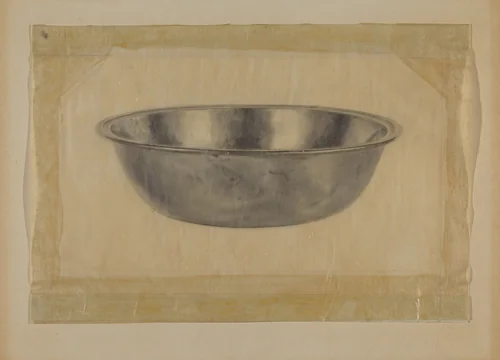
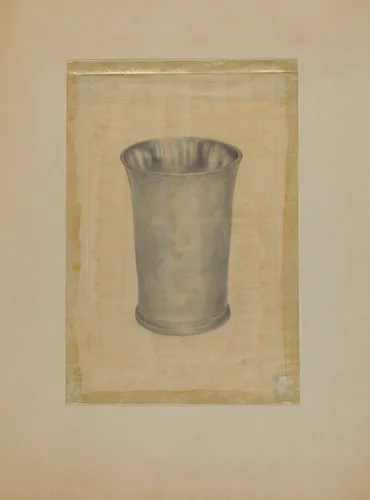
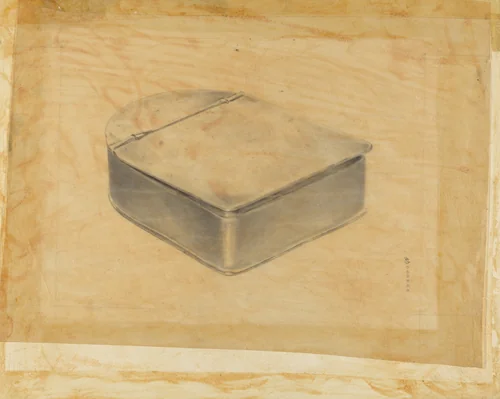
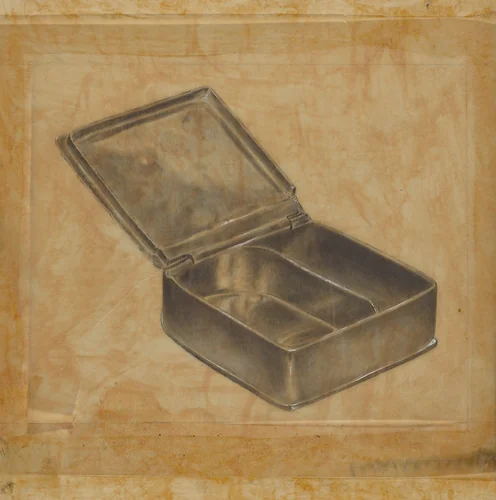
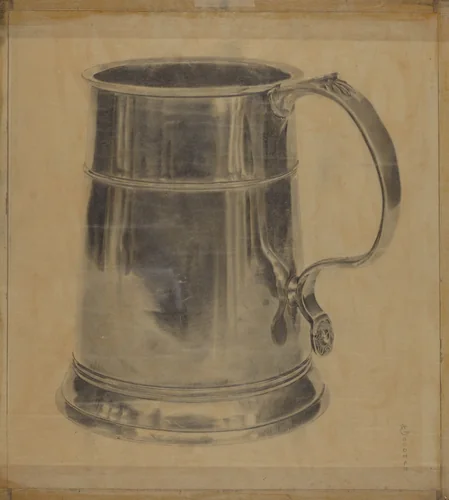
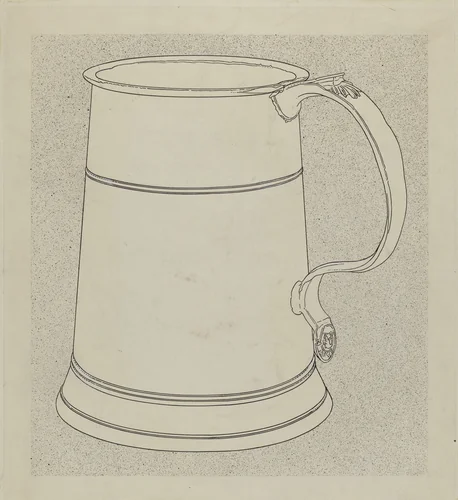
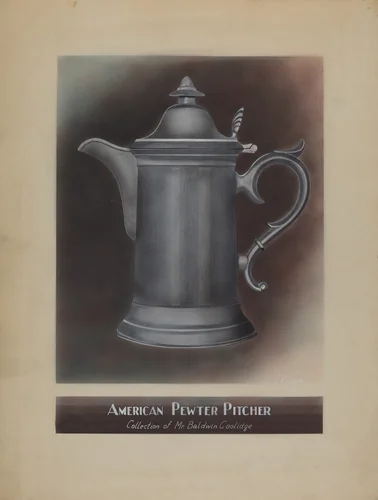
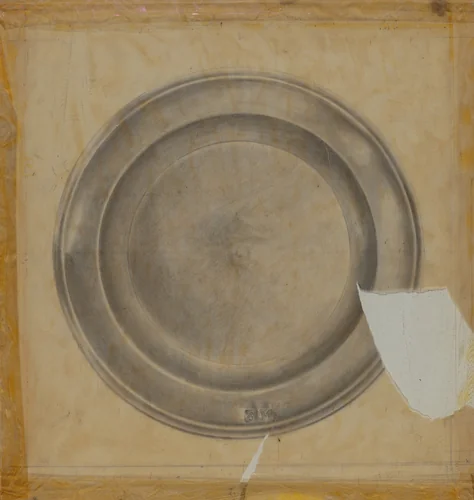
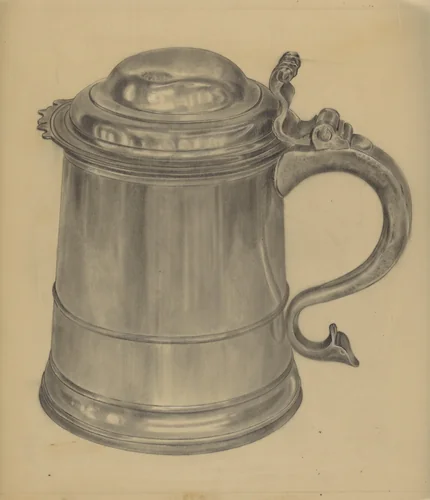
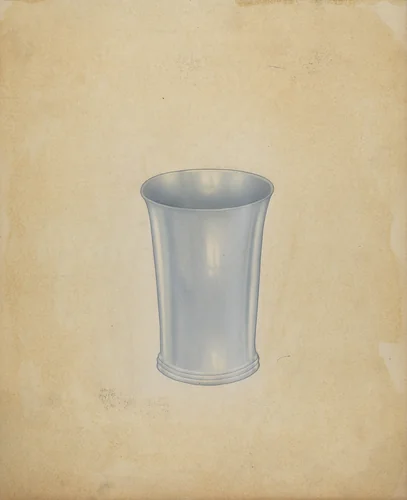
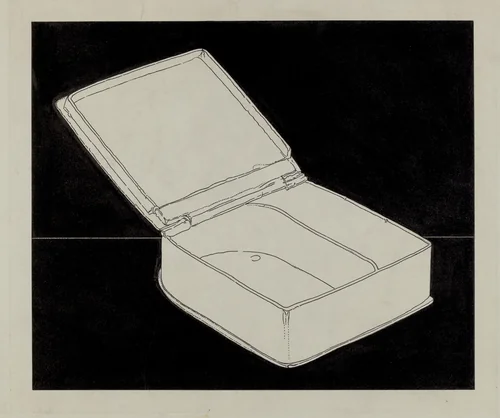
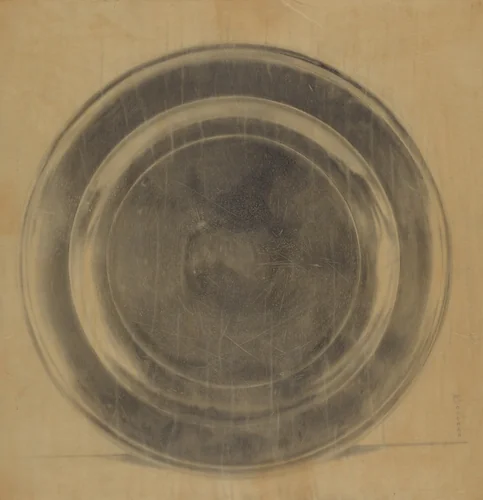
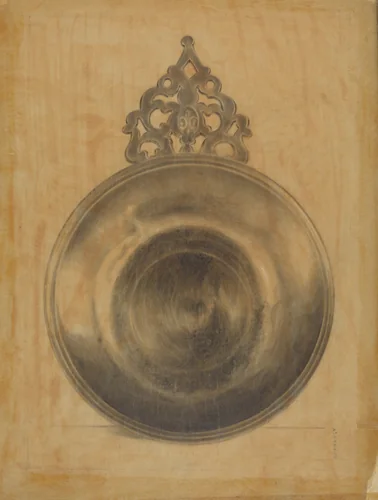
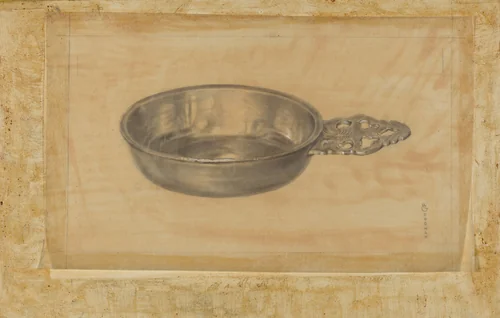
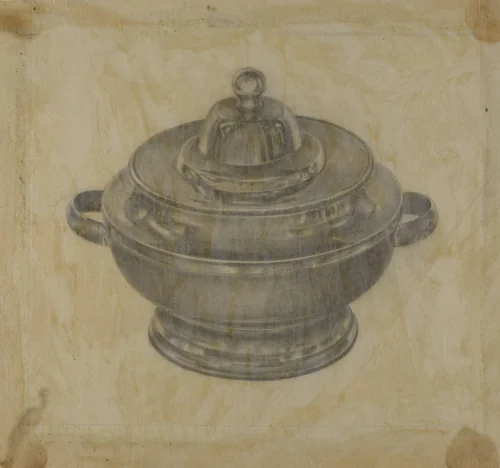
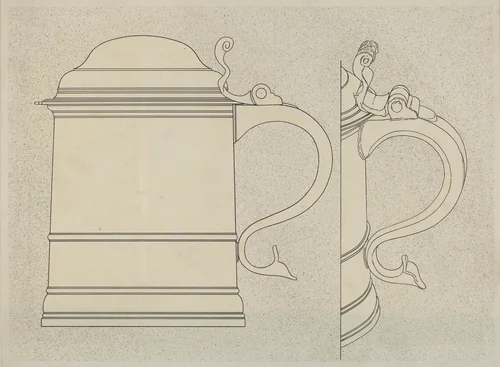
A significant portion of his documented works concentrated on pewter, a humble yet historically rich medium. The database of his recorded objects reflects this specialization, including detailed schematics for functional pieces such as a Pewter Basin, a Pewter Beaker, and several configurations of storage vessels, notably the Pewter Box with Two Compartments. These records provide museum-quality data on the continuity of American domestic design traditions.
Goodman’s activity occurred at a point of intense national effort to define and document the American vernacular aesthetic, frequently associated with federal arts projects of the era. Though his specific relationship to such programs is not always clear, the quality and scope of his work align perfectly with the push toward cataloging national cultural heritage. His exhaustive precision, capturing minute design variations in common items like the Pewter Mug, suggests an appreciation for material history over fleeting fashion.
The enduring importance of this index is underscored by its inclusion in the National Gallery of Art collection. Goodman's contribution to preserving early American craft makes these pieces foundational resources for researchers seeking royalty-free access to design history. Today, details of these documented works are often sought after as high-quality prints or downloadable artwork, attesting to the longevity and utility of his careful 1930s indexing project.