Hans Weiditz
Hans Weiditz the Younger, also known as Hans Weiditz II and historically identified as The Petrarch Master, stands as a critical figure in German Renaissance woodcut illustration. Active during the early sixteenth century, his fame rests primarily on his singular ability to translate dense, abstract philosophical concepts into vivid, socially engaged visual narratives. His work provided a crucial bridge between the scholarly rigor of Humanism and the boisterous reality of contemporary working life.
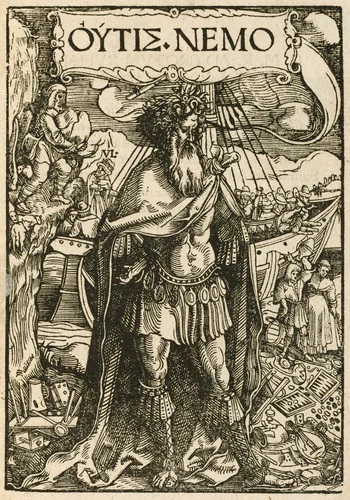
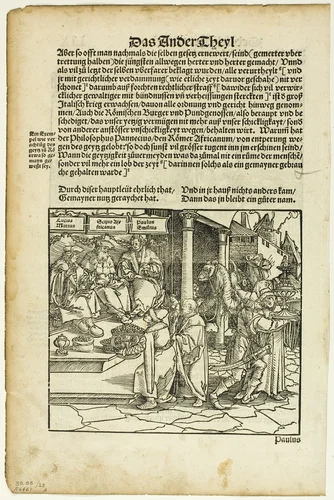
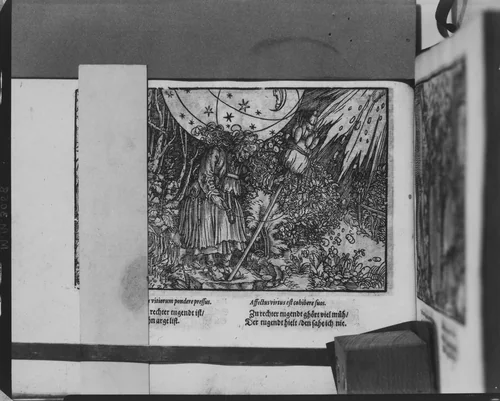
Weiditz earned his distinctive moniker from his extensive illustrations for Petrarch’s monumental text, De remediis utriusque fortunae (translated as On the Remedies of Good and Evil Fortune). These works, published in volumes such as Von der Artzney bayder Glück, addressed the moral dilemmas inherent in fate, wealth, and misfortune. While the texts required careful contemplation of philosophical maxims drawn from sources like Cicero and Petrarch, Weiditz’s interpretations were revolutionary. He deliberately eschewed dry allegorical figures in favor of highly specific, sometimes exaggerated, and always dynamic depictions of laborers, merchants, and commoners caught in moments of daily struggle and triumph. This sophisticated use of character and setting renders his limited body of attributed work-around thirteen prints and two volumes-an invaluable record of early sixteenth-century German society.
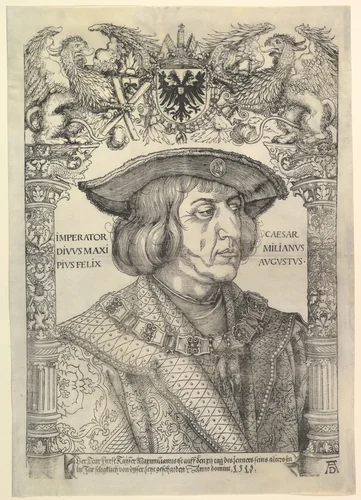
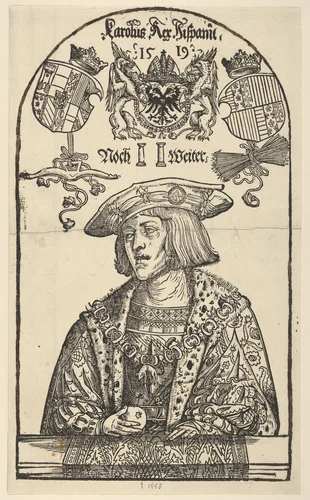
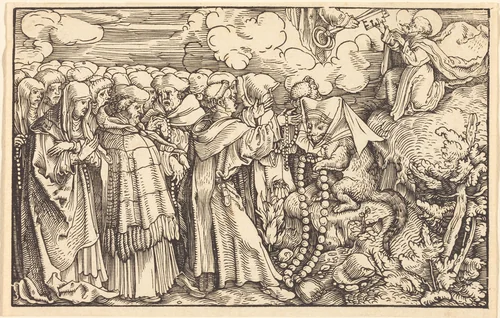
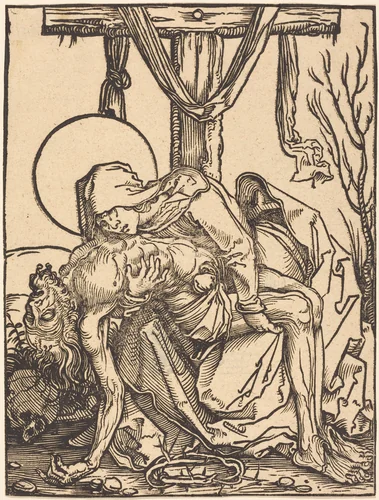
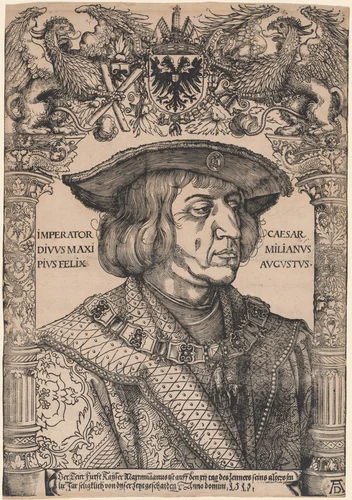
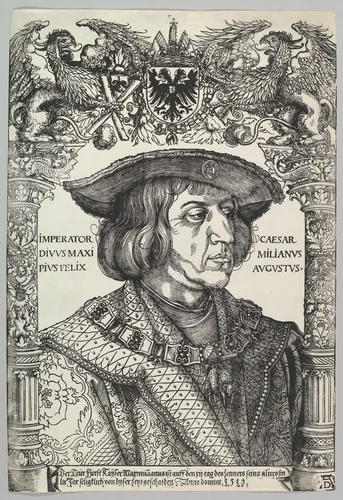
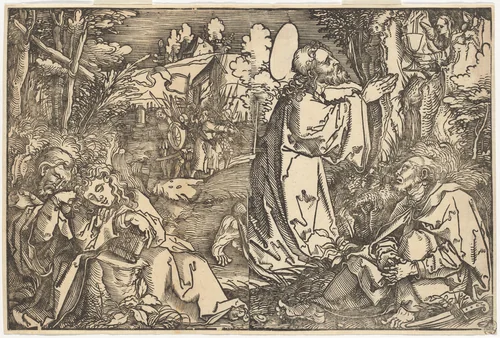
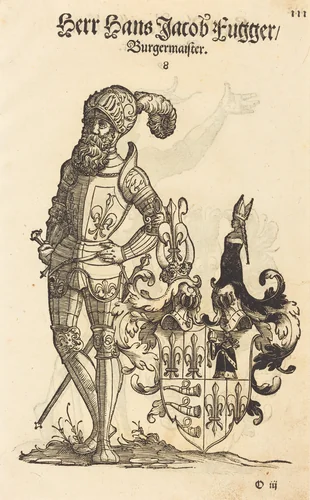
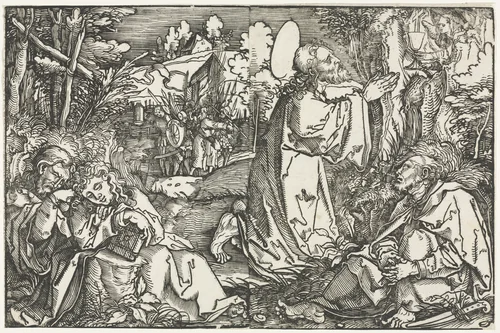
His innovative approach involved a powerful command of line and shadow, lending his compositions a dynamism rarely matched in contemporary illustration. This skill is evident in works such as the devotional Pietà and the pointed satirical illustration Allegory - Religious Frivolity. Even when reproducing standard court imagery, such as his copies of official portraits including the Portrait of the Emperor Maximilian I in an Architectural Frame or the Copy of Portrait of Charles V, Weiditz imbued the subjects with an unexpected degree of psychological vitality.
Weiditz’s true innovation lay in employing the philosophical text as a scaffold for observations on human nature. He managed to make the lofty accessible, translating the abstract arguments of Renaissance humanism into visual parables characterized by remarkable complexity and a robust, if understated, sense of humor regarding human folly. Today, scholars and institutions value Hans Weiditz prints not only for their artistic merit but also as primary historical documentation. His museum-quality work is represented in major international collections including the Metropolitan Museum of Art and the National Gallery of Art, with many historical illustrations now accessible to the public domain.
Source: Wikipedia · CC BY-SA 4.0