Hans Wechtlin
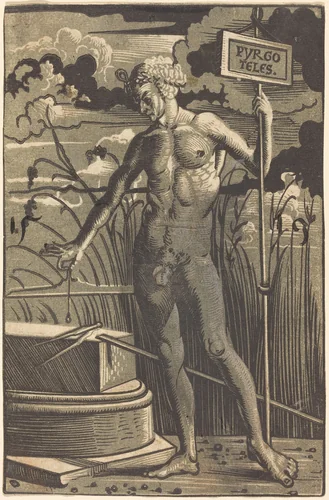
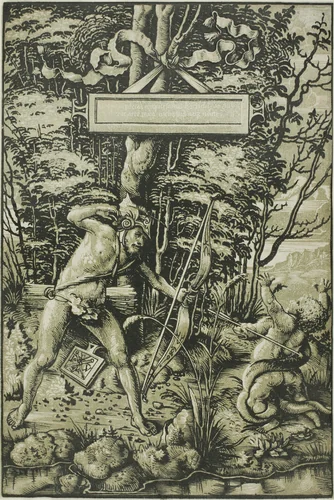
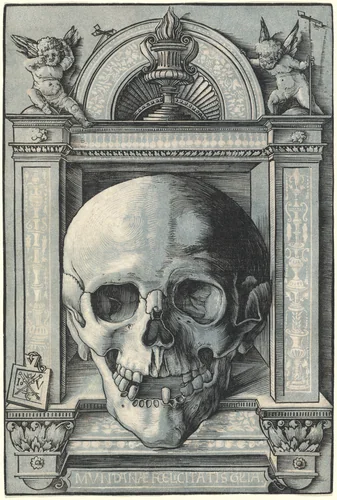
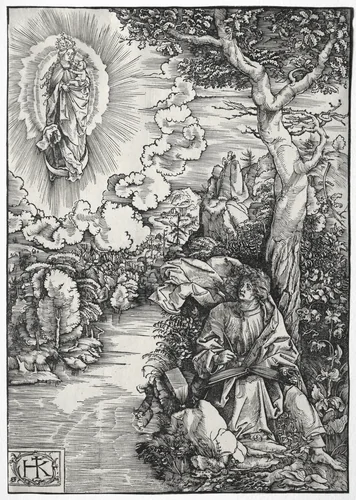
Hans Wechtlin, often documented using the variants Johann or Johannes, was a highly influential German Renaissance artist whose surviving works are foundational to the history of graphic art. Active between at least 1502 and 1526, Wechtlin’s significance rests almost entirely on his innovative mastery of the woodcut medium, particularly his role as the era’s most prolific producer of German chiaroscuro prints.
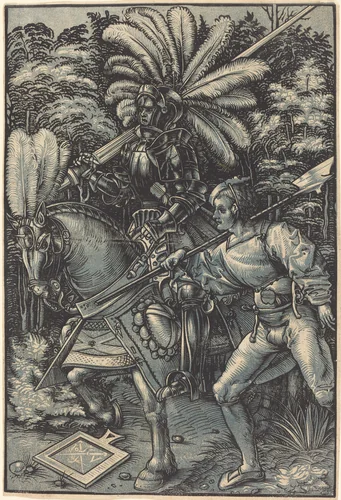
The chiaroscuro woodcut technique, which was enjoying its period of greatest influence during Wechtlin’s career, represented a technical leap in printmaking. By using two or more inked blocks, the artist could achieve complex tonal modulations, moving the print medium beyond simple outline and shadow towards the spatial depth and modeling traditionally associated with painting or high-level drawing. This process demanded exceptional precision, especially in the registration of the separate color blocks, suggesting that Wechtlin either ran a highly skilled workshop or possessed a singularly meticulous hand.
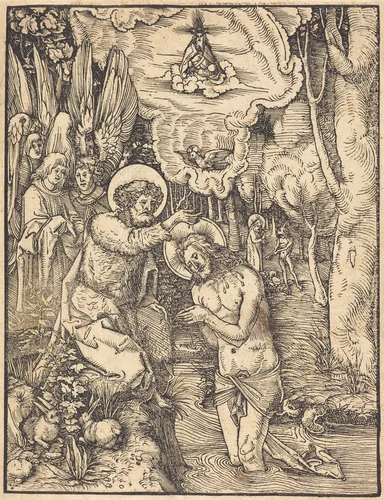
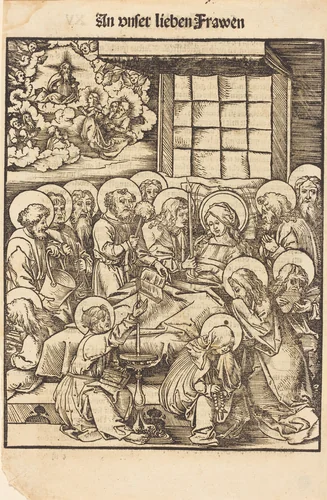
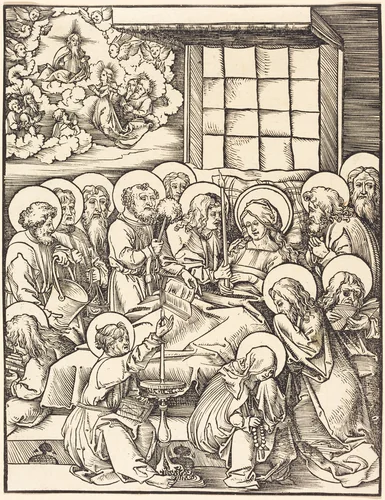
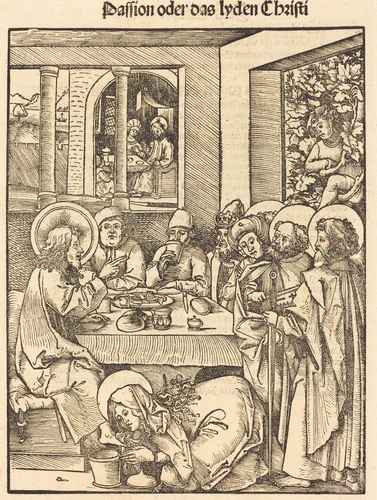
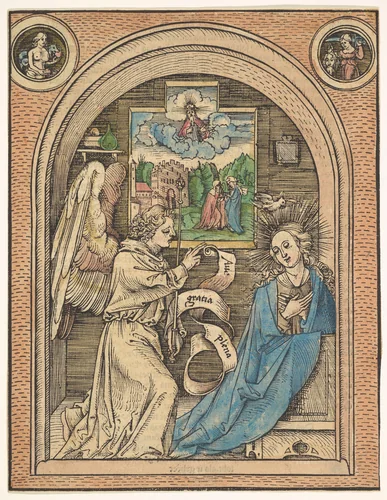
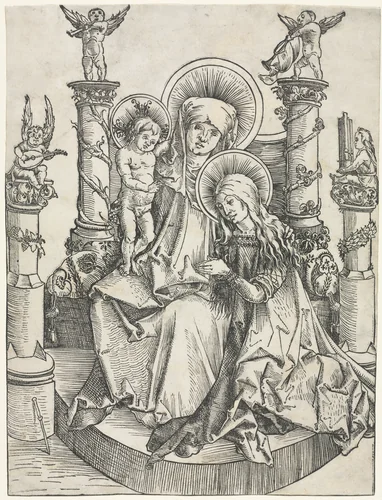
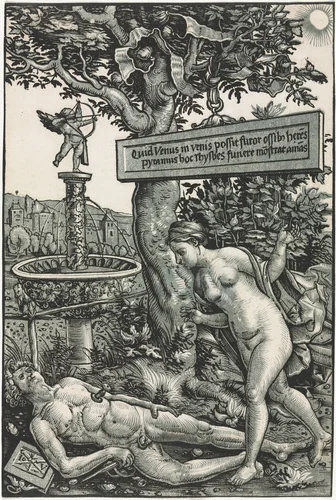
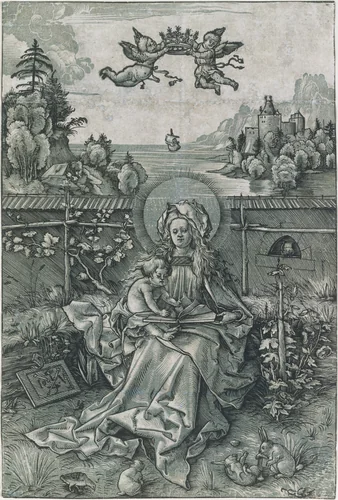
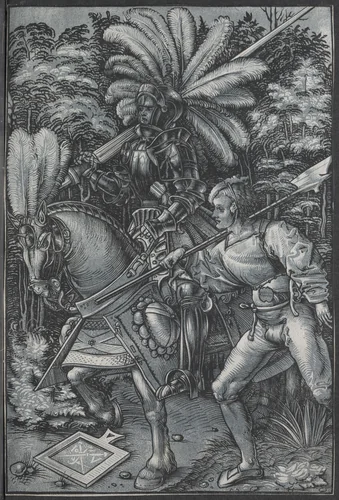
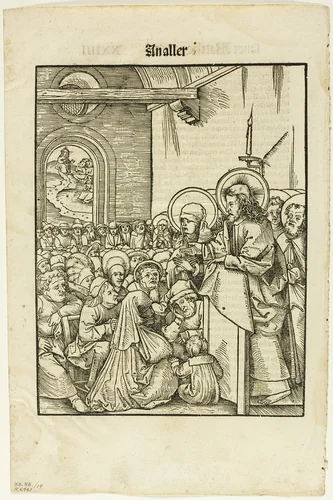
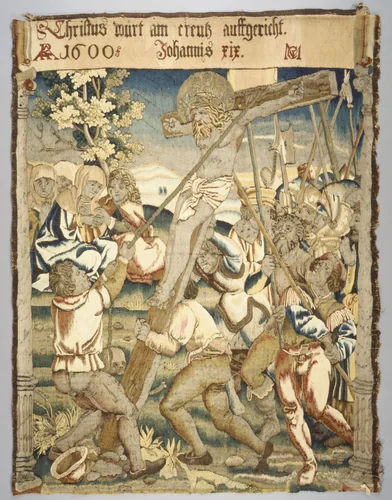
While much of Wechtlin’s documented output was dedicated to the essential function of book illustration, the fourteen existing standalone prints confirm his superior aesthetic and technical ambition. These separate sheets demonstrate a strong capacity for dramatic staging and narrative focus, whether depicting theological scenes like the Baptism in Jordan and the complex grief of the Death of the Virgin, or secular subjects such as Knight and the Servant. The fact that only one textile design is securely attributed to him hints that while he may have experimented with applied arts, Wechtlin found his true calling in the technical sophistication of the graphic image.
Wechtlin’s ability to harness light and shadow through this layered process firmly established him among the principal innovators of the sixteenth-century German print culture. Today, his contribution continues to be valued, with museum-quality examples of his work held in prestigious American collections, including the Metropolitan Museum of Art, the National Gallery of Art, and the Art Institute of Chicago. The lasting quality of these Hans Wechtlin prints ensures they remain objects of study, often available as high-quality prints through public domain initiatives, providing researchers and enthusiasts with royalty-free access to a definitive phase of Renaissance visual ingenuity.
Source: Wikipedia · CC BY-SA 4.0