Hans von Aachen
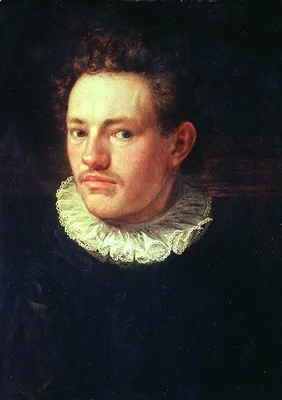
Hans von Aachen (c. 1552-1615) holds a foundational position in the development of late sixteenth-century European painting, recognized internationally as a leading representative of Northern Mannerism. Operating extensively across Germany, Italy, and Bohemia, his work successfully synthesized the highly sophisticated compositional devices and elegant artificiality of Italian Mannerism with the minute detailing and technical precision characteristic of Northern artistic traditions. This compelling fusion positioned him ideally within the highly competitive courts of Europe, securing his reputation as a master draftsman, colorist, and interpreter of complex themes.
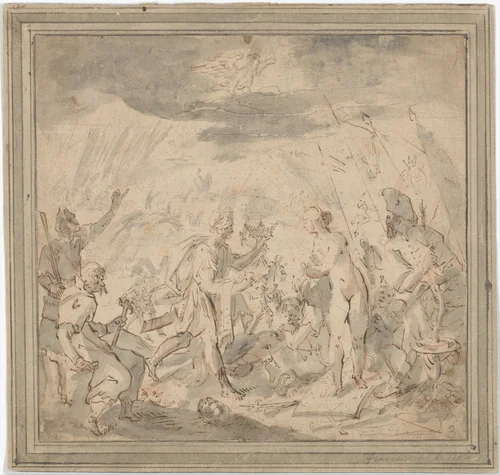
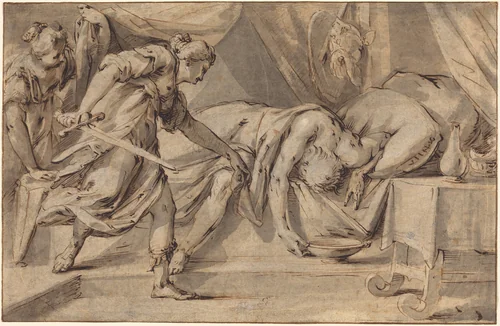
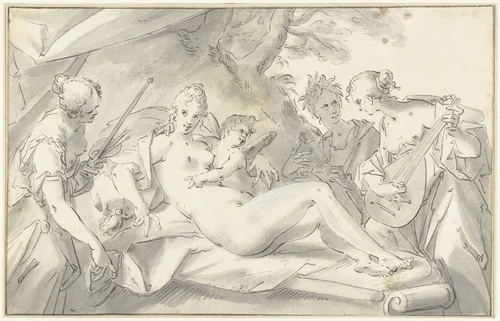
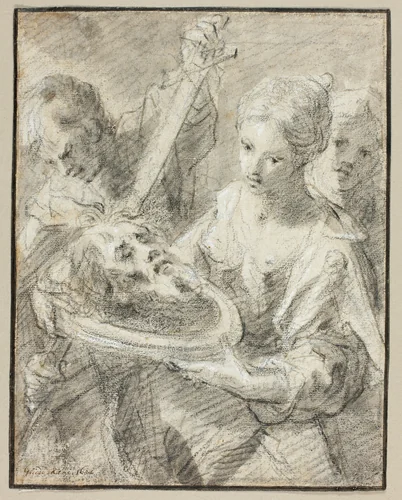
Von Aachen’s style is immediately recognizable for its dramatic elongation of figures and its dynamic, often theatrical compositions, which consciously reject emerging Classical austerity. He possessed a particular gift for rendering complex narrative tension, evident in emotionally charged works such as Judith and Holofernes, which captures the precise moment of psychological intensity. His handling of mythological and allegorical subjects further cemented his status as an intellectual painter; the dense pictorial language of pieces like Venus te midden van kunsten en wetenschap (Venus Amidst the Arts and Sciences) serves as a sophisticated visual index of contemporary courtly intellectual pursuits.
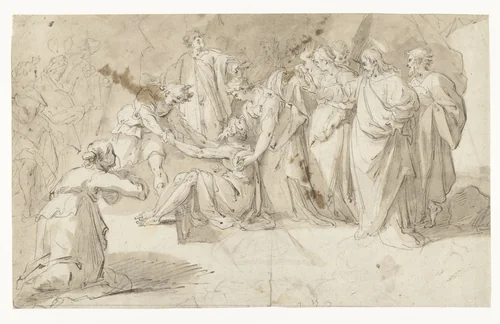
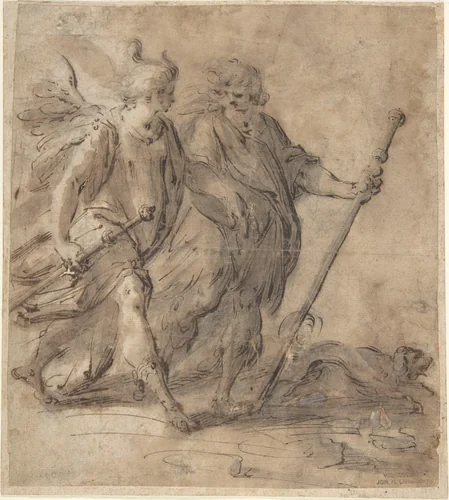
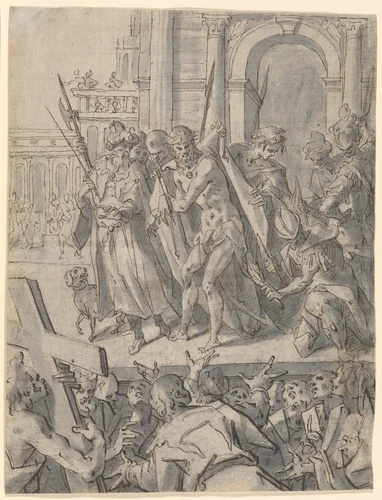
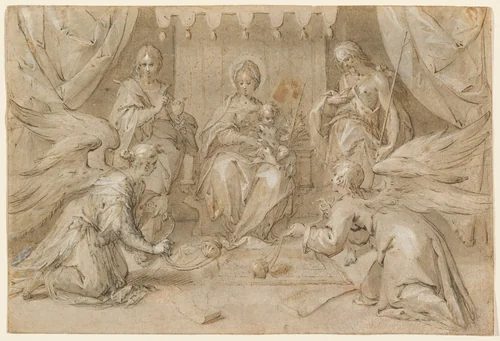
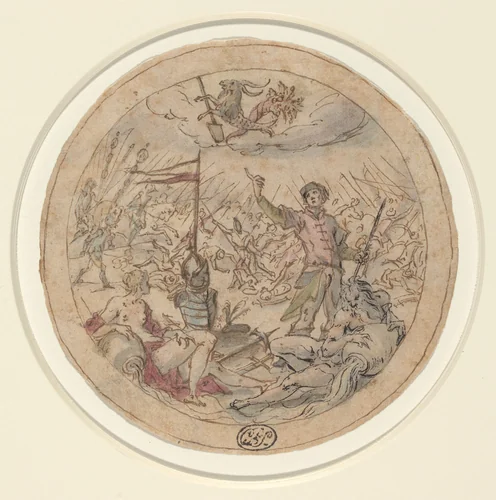
While he handled traditional subjects like Opwekking van Lazarus (The Raising of Lazarus) and Tobias and the Angel with great technical finesse, von Aachen excelled at subtle political commentary and historical documentation, often employing intricate allegories, such as Allegory of the Battle at Selimbar (October 28, 1599), to commemorate specific events with intellectual flair. It is an interesting observation that, despite the often serious subject matter of divine intervention or historical strife, the figures in Hans von Aachen paintings always maintain an impeccable, almost detached sense of graceful composure. His enduring technical skill means that today, his drawings and canvases remain crucial holdings in major institutions worldwide, notably the National Gallery of Art and the Rijksmuseum. Due to their cultural significance, many of these Mannerist achievements are available as downloadable artwork, allowing scholars and enthusiasts to access high-quality prints derived from institutional public domain sources.
Source: Wikipedia · CC BY-SA 4.0