Hans Springinklee
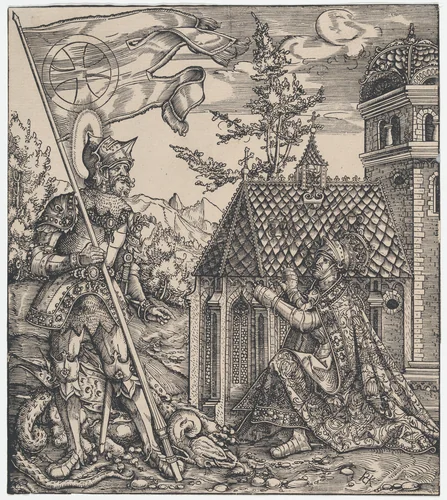
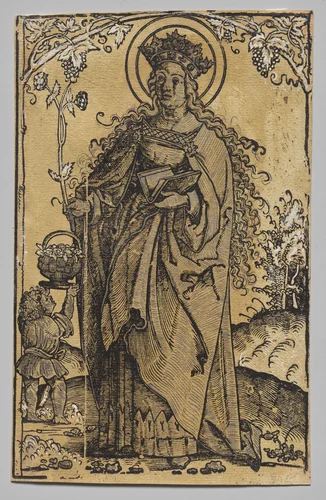
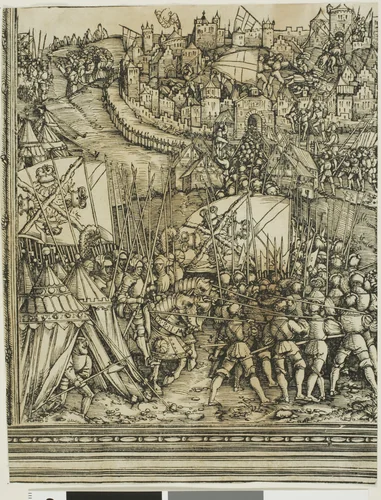
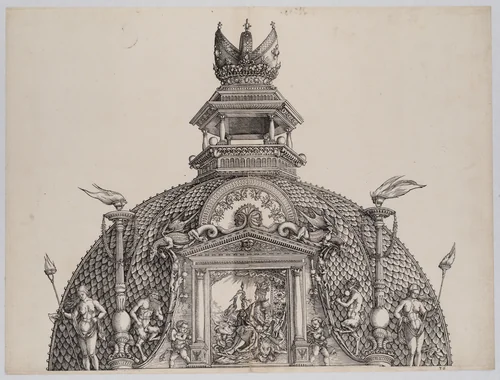
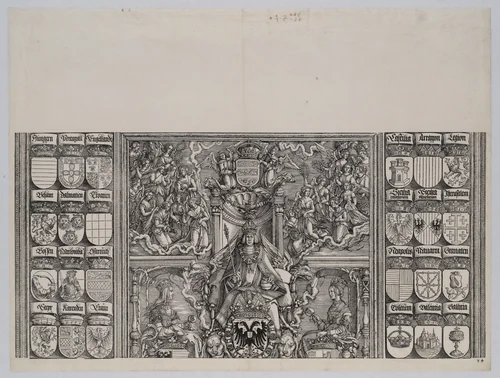
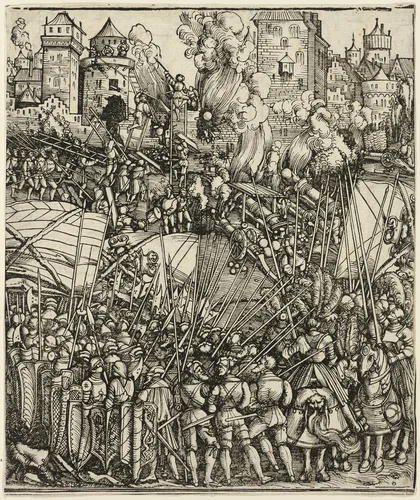
Hans Springinklee stands as an important, if often overshadowed, figure in the golden age of German Renaissance printmaking. Active in Nuremberg primarily between 1442 and 1515, Springinklee secured his historical significance as a documented pupil within the thriving workshop of Albrecht Dürer. Primarily celebrated for his technically sophisticated woodcuts, the artist benefited directly from Dürer’s foundational innovations in graphic design, helping to define the visual standards of the era.
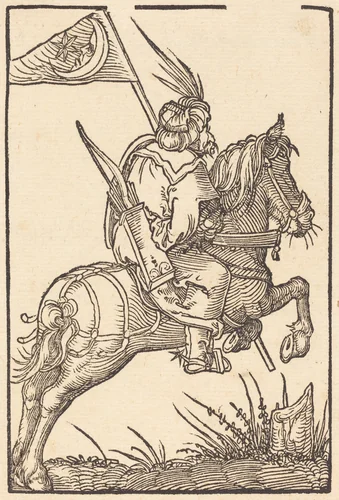
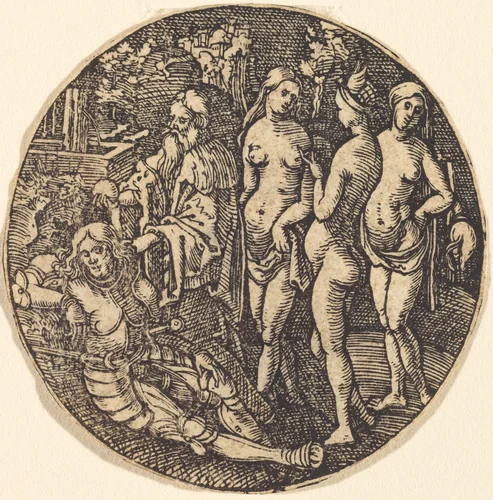
Springinklee’s specialization in the woodcut medium placed him at the heart of the visual information revolution of the early sixteenth century. Though only about fifteen prints are definitively attributed to his name, these surviving works demonstrate a high mastery of line work and complex composition. The breadth of his subject matter is notable, ranging from contemporary documentation, exemplified by the striking image of A Turkish Horseman, to sophisticated mythological narratives such as the densely detailed Judgment of Paris.
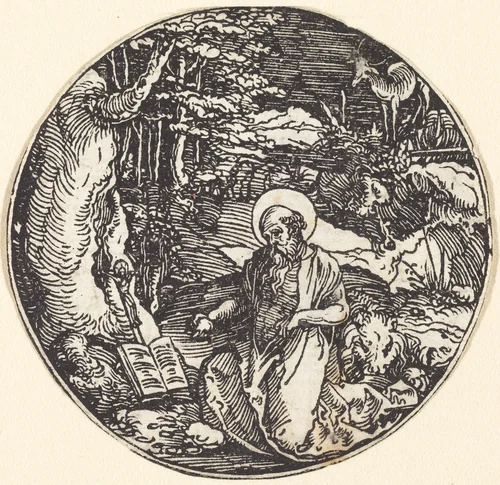
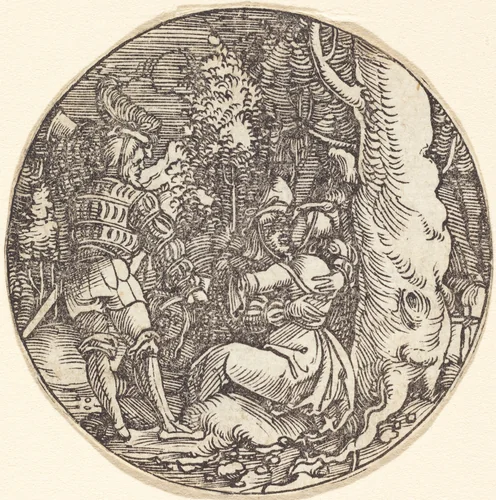
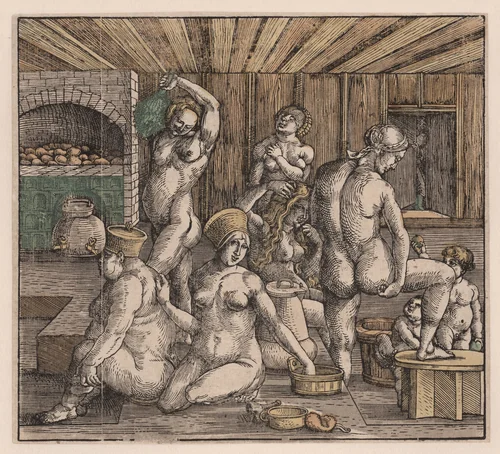
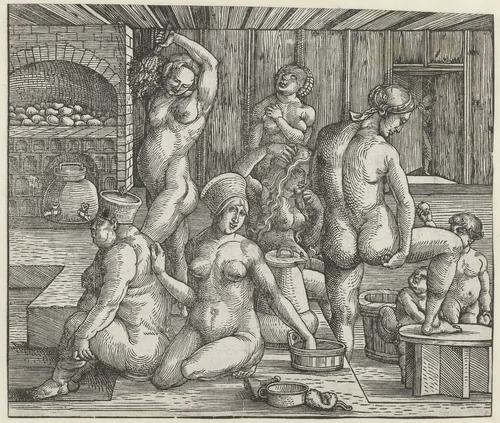
His output effectively bridged the gap between sacred and secular life in Nuremberg. While he produced compelling devotional imagery, including the introspective Saint Jerome in Penitence, Springinklee did not shy away from scenes celebrating human interaction and occasional intimacy. The print The Embrace (A Couple of Lovers by a Tree), alongside the genre scene Het vrouwenbad (The Women’s Bath), reveals a keen observational skill and a refreshing appreciation for the informal, everyday pleasures of Renaissance life. His skill lay in adapting the grand, dramatic style of the Dürer school to smaller, more widely consumable formats.
The artistic impact of Hans Springinklee prints has secured them permanent homes in prestigious international institutions, including the Rijksmuseum, the Art Institute of Chicago, and the Metropolitan Museum of Art. For scholars and enthusiasts today, the historical importance and museum-quality nature of his graphic work ensure continued study. Centuries after their initial production, many of these influential designs have entered the public domain, making high-quality prints and downloadable artwork readily accessible for contemporary appreciation.
Source: Wikipedia · CC BY-SA 4.0