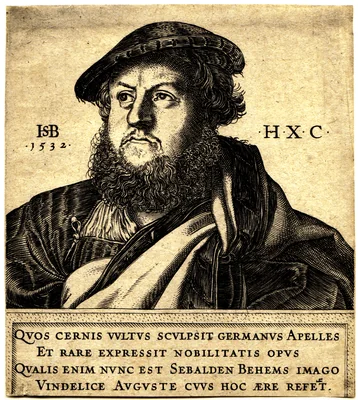
Hans Sebald Beham
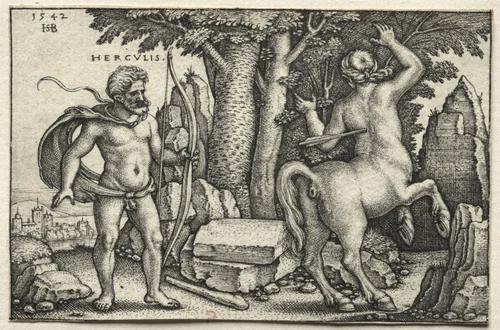
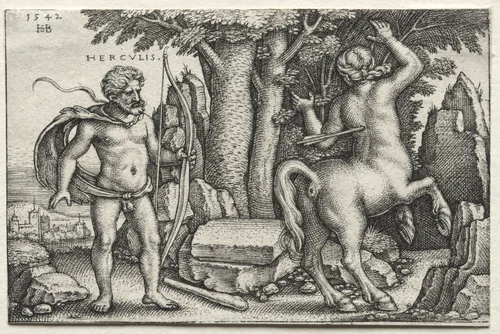
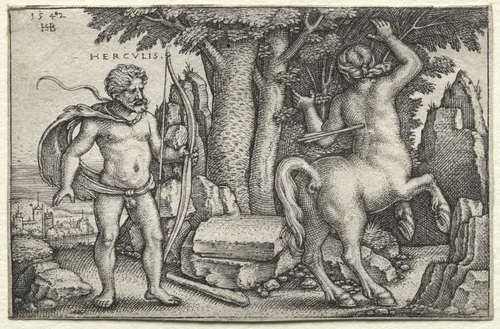
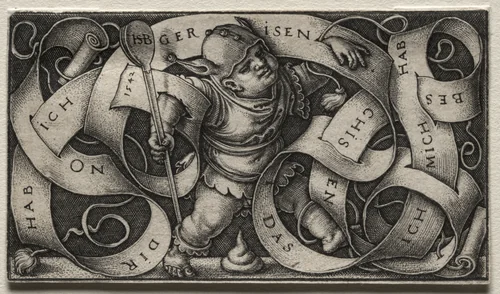
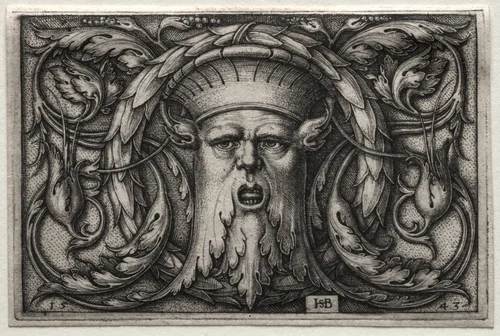
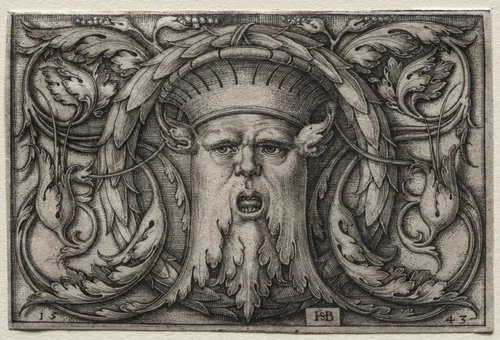
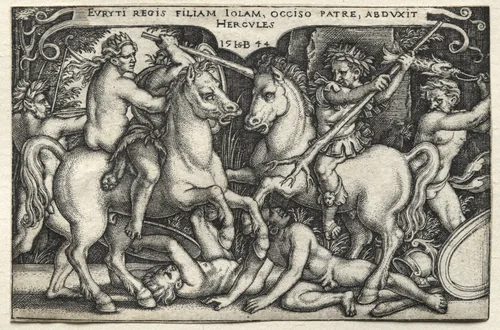
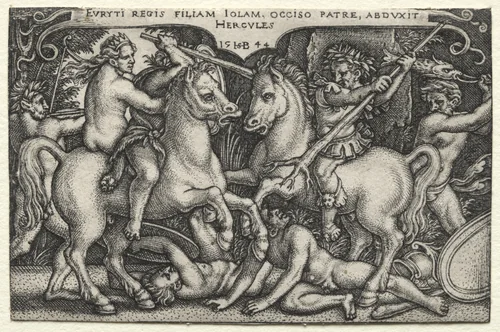
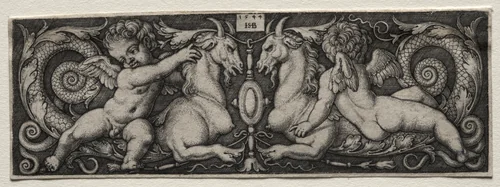
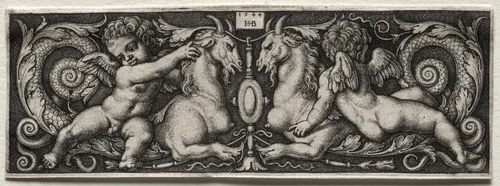
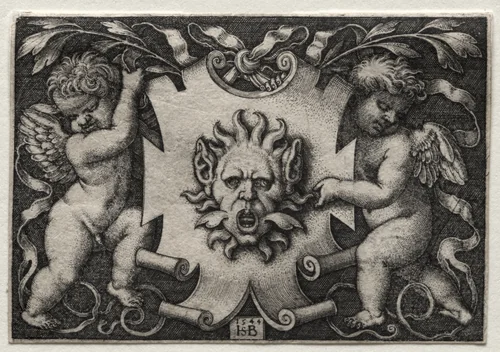
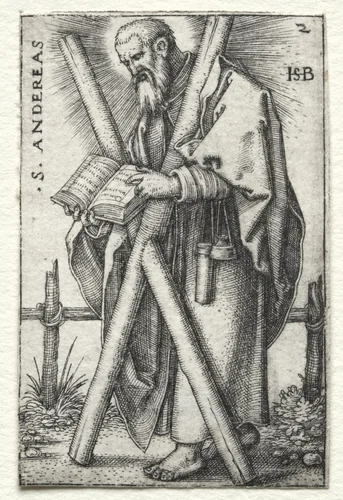
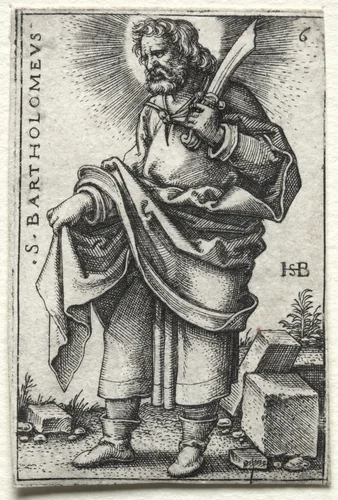
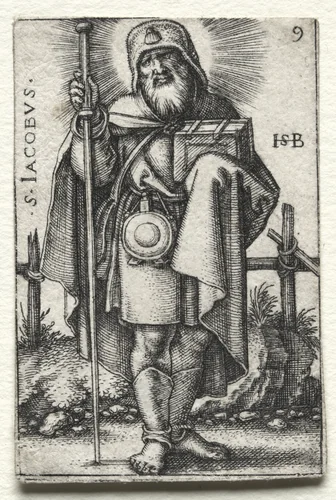
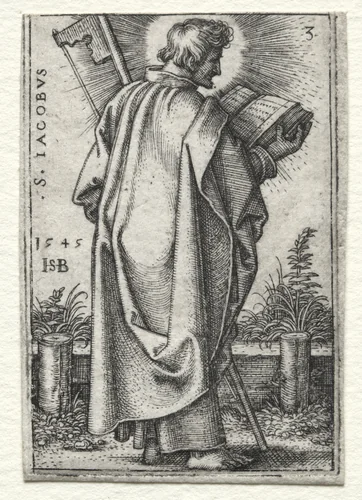
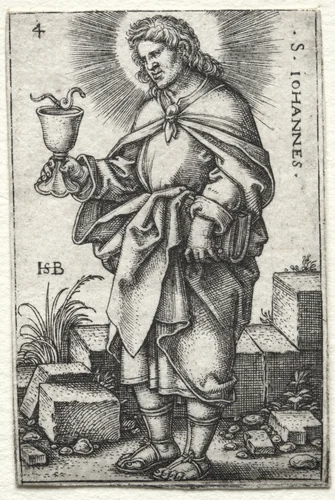
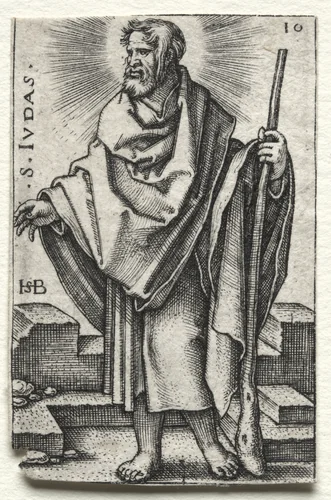
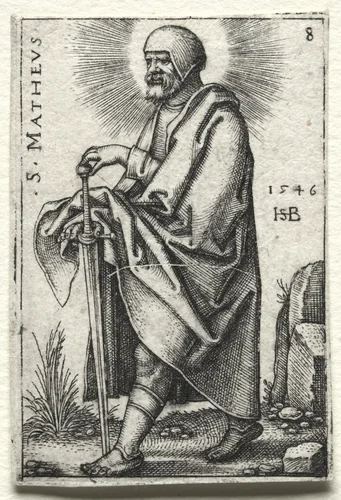
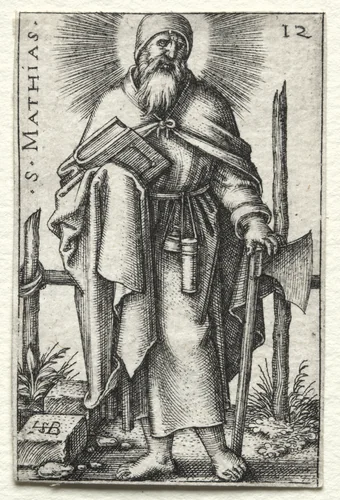
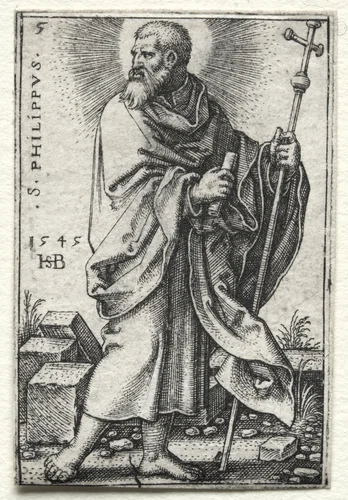
Hans Sebald Beham (1500-1550) stands as a pivotal figure in the evolution of German printmaking following the towering influence of Albrecht Dürer. Born in Nuremberg, the epicenter of German Renaissance art, Beham became one of the most important practitioners within the influential group known collectively as the "Little Masters." This appellation reflects the group’s shared technical preference for minute scale, specializing in remarkably detailed engravings often smaller than a modern calling card. Beham’s prolific output cemented his reputation, particularly for his command of narrative clarity and technical precision at this challenging scale.
While Beham trained initially as a painter, his enduring legacy rests squarely on his nearly 1500 contributions to graphic art. His subject matter was expansive, demonstrating the Renaissance fascination with humanism and allegory. It ranged widely, covering biblical scenes, such as Christ and the Virgin, and classical mythology, exemplified by Mucius Scaevola Holding His Hand in the Fire. Yet, perhaps most engaging were his genre scenes and earthy depictions of peasant life, rendered with meticulous line work. Works like Vechtende boeren met zwaarden (Fighting Peasants with Swords) demonstrate his ability to transform the common man into a suitable subject for fine art. He approached rural subjects with a surprising, almost mischievous, lack of moralizing judgment, refusing to sentimentalize the rough-and-tumble nature of peasant existence.
Beham’s career saw him transition from his native Nuremberg to Frankfurt in the later part of his life, broadening the dissemination of his sophisticated imagery across central Europe. His signature small format ensured his compositions traveled widely, reaching a vast audience who prized them for their portability and exquisite detail. Today, major institutions such as the Rijksmuseum and the Cleveland Museum of Art safeguard these essential works, confirming their status as museum-quality examples of Northern Renaissance engraving. The continued circulation of Hans Sebald Beham prints ensures his importance is undiminished, with high-quality prints and imagery frequently entering the public domain for study and appreciation centuries after their creation.
Source: Wikipedia · CC BY-SA 4.0