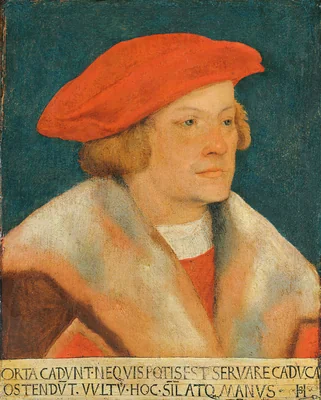
Hans Schäufelein
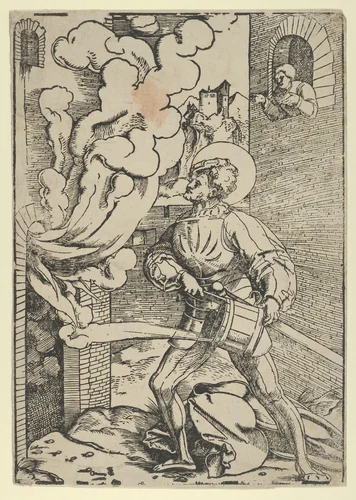
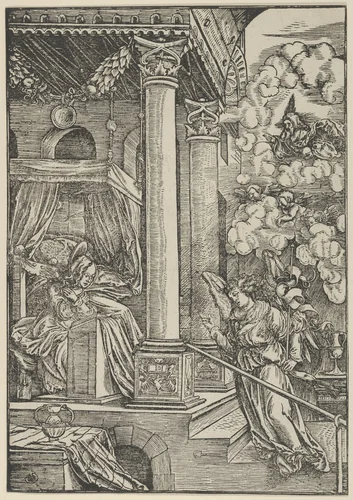
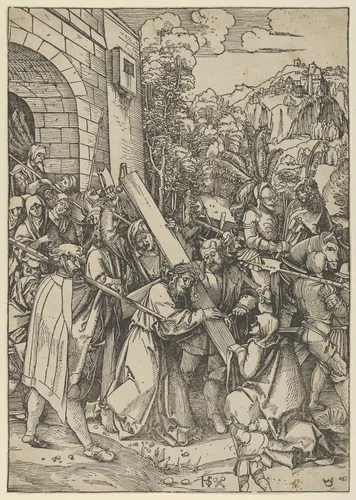
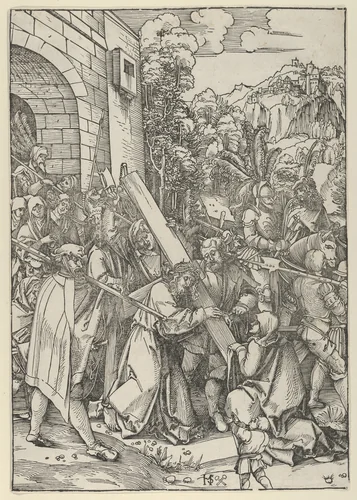
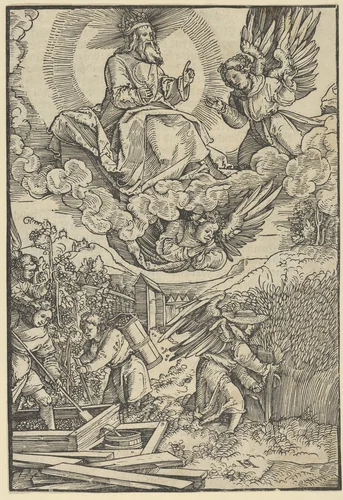
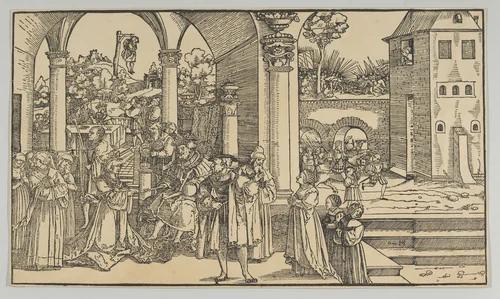
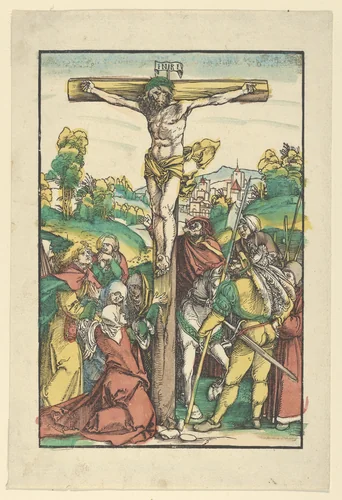
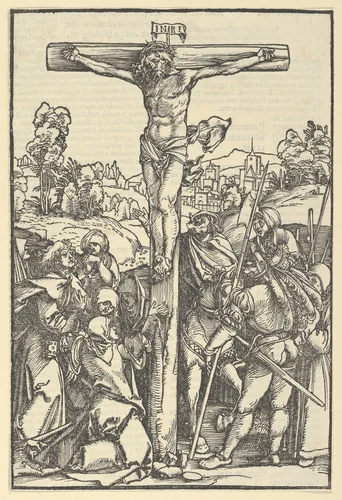
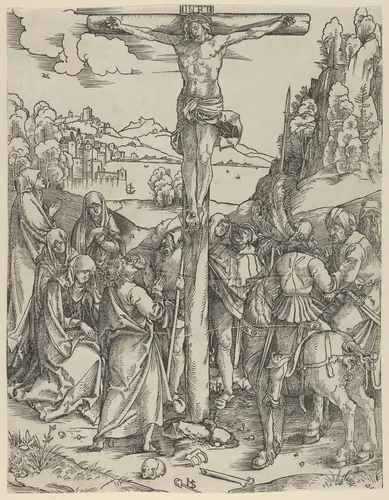
Hans Leonhard Schäufelein (active 1480-1500) remains a significant figure in the transition of German art between the late Gothic period and the nascent Renaissance. Distinguished as both a painter and a prodigious designer of woodcuts, Schäufelein capitalized on the swiftly expanding medium of the printed image, using it to capture the evolving social dynamics and military fashions of his time.
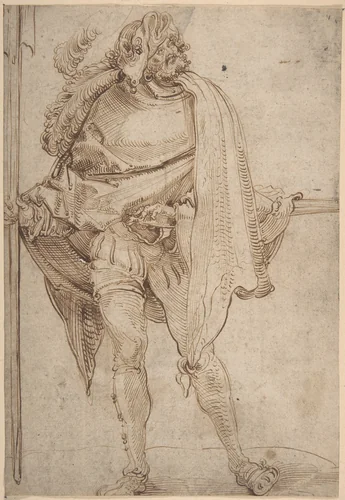
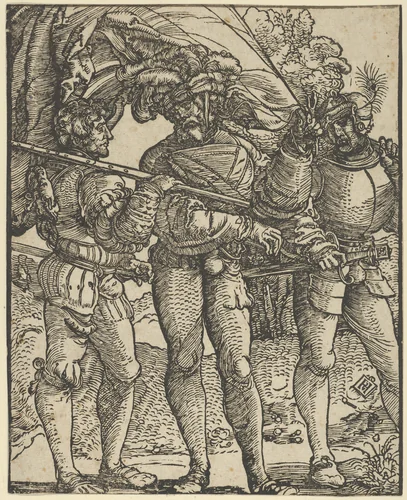
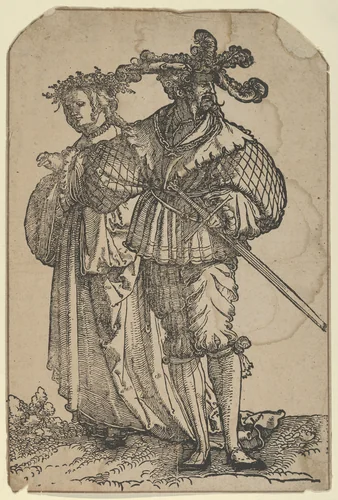
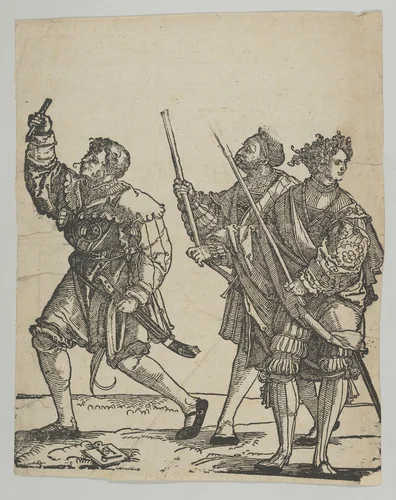
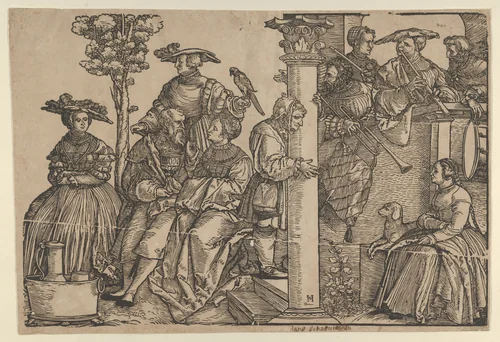
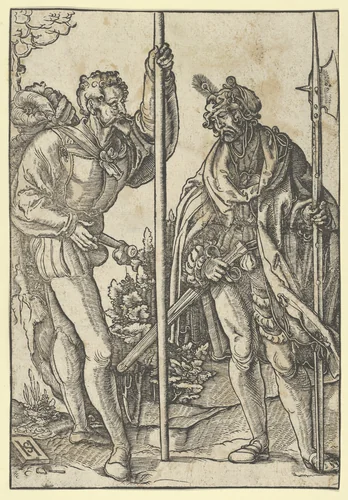
His surviving graphic works, many of which reside in collections such as the Metropolitan Museum of Art, offer a window into the secular interests of the era. He specialized in producing detailed character studies, notably the Landsknechte, the professional German mercenary foot soldiers. Works like Landsknecht provide meticulous documentation of contemporary military dress and swagger, appealing directly to a burgeoning audience interested in portraiture and social realism. Schäufelein’s strength lay in his economical use of line, defining volume and texture with clarity demanded by the woodcut medium.
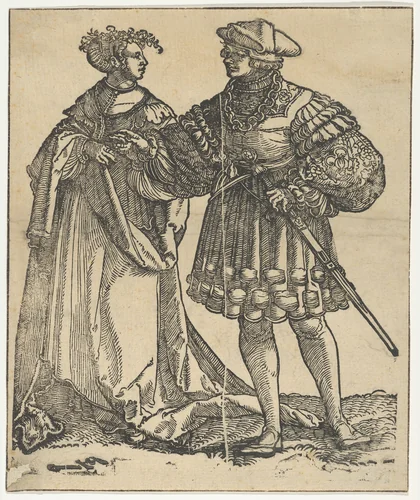
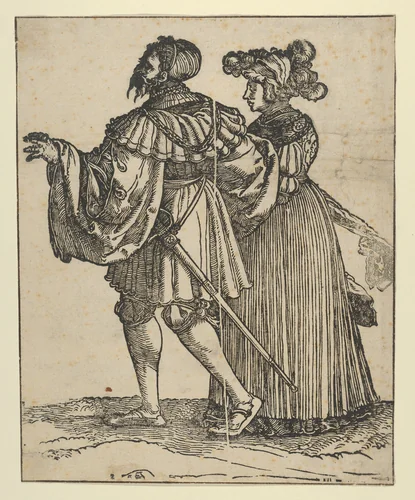
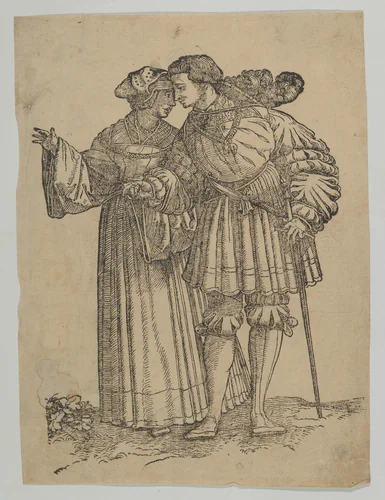
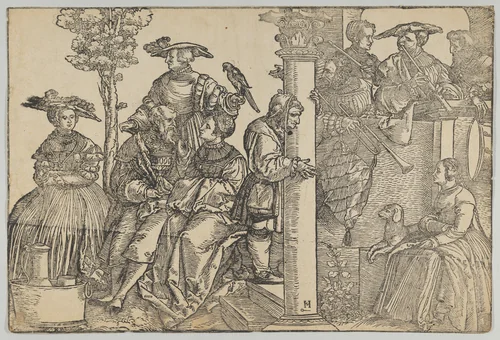
Perhaps his most engaging contribution to social observation is the series The Wedding Dancers. These prints, including examples like Couple Walking to the Left (III) and Dancing Couple (I), depict robust figures engaged in vigorous communal celebration. Rather than idealized classical poses, Schäufelein captured the kinetic energy of the common people; the movement is often less about grace and more about enthusiastic, spirited effort, reflecting a genuine appreciation for the period’s popular culture. The enduring popularity of this series is demonstrated by the existence of restrikes, testifying to the long-term demand for his compositions.
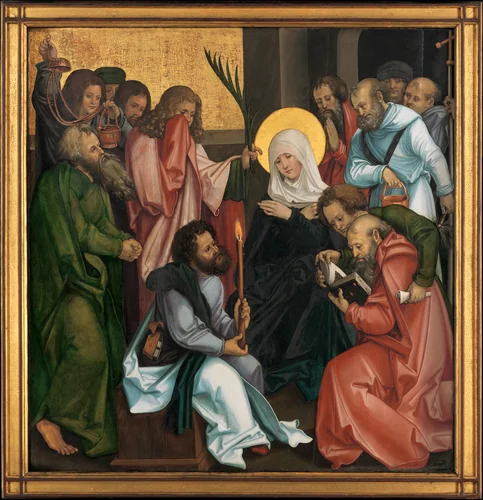
Schäufelein’s ability to move fluidly between designing for devotional panels and producing popular, high-quality prints cemented his importance. His output, particularly his Hans Schäufelein prints, served not only as fine art but also as foundational visual information that circulated throughout Europe. Owing to the historical age and broad dissemination of his work, a great number of these images are now held in the public domain. This accessibility allows researchers and collectors alike to obtain downloadable artwork and museum-quality reproductions, ensuring that the visual wit and historical precision of this influential German master continue to resonate.
Source: Wikipedia · CC BY-SA 4.0