Hans Rottenhammer
Hans Rottenhammer (1564-1610), or Johann Rottenhammer, was a pivotal German painter of the late sixteenth and early seventeenth centuries, renowned for blending the meticulous detail of Northern European tradition with the emerging vitality of Italian High Renaissance form. Though active during a period often defined by large altarpieces and frescoes, Rottenhammer staked his reputation on a distinct specialization: highly finished paintings on a remarkably small scale. This technical mastery allowed him to produce dense, jewel-like compositions that demanded close viewing and catered directly to the sophisticated private collector.
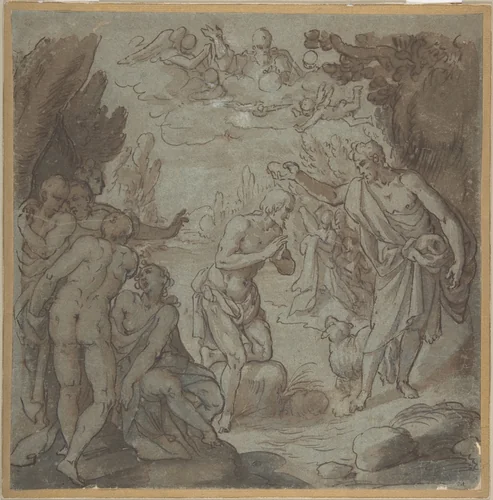
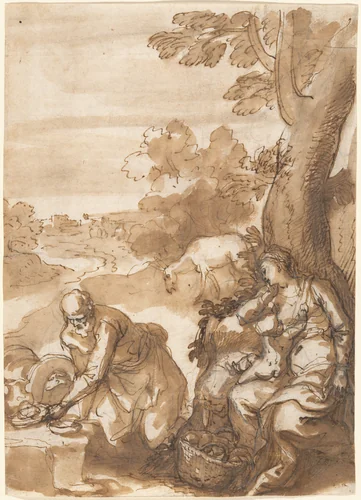
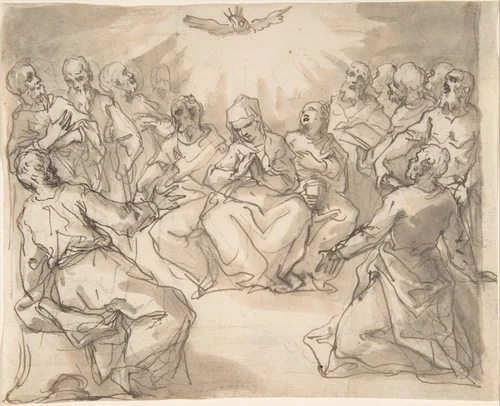
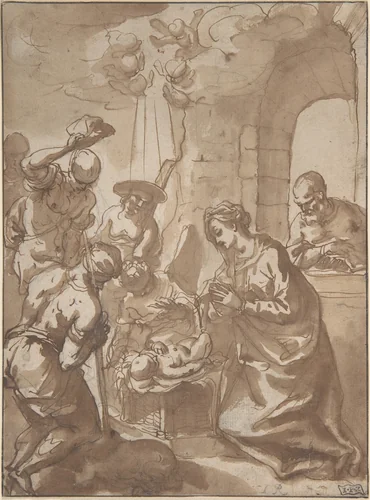
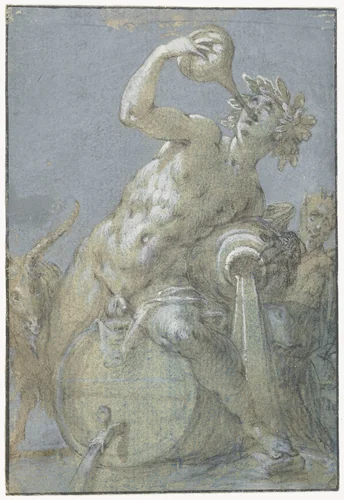
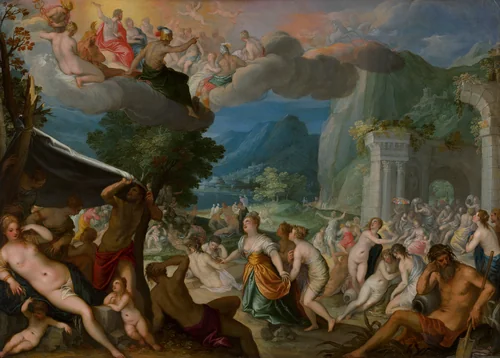
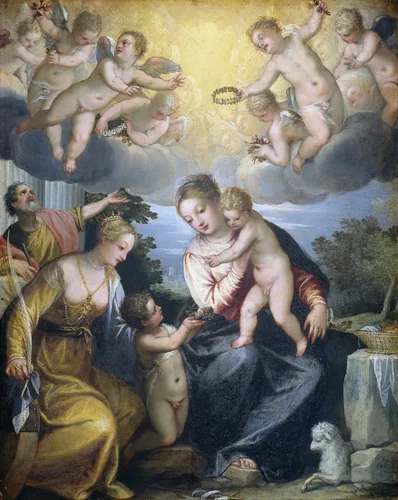
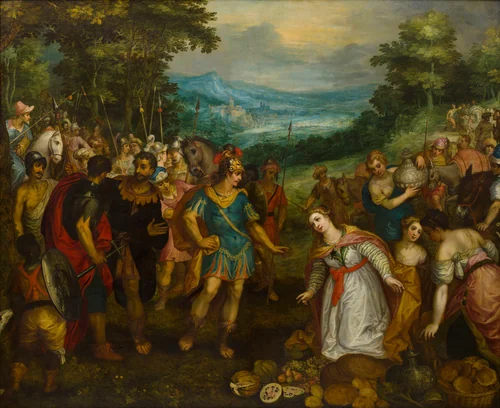
His subjects, often drawn from scripture or classical mythology, such as the luminous Rest on the Flight into Egypt or the dynamic The Descent of the Holy Ghost, were designed to function as exquisite cabinet pieces. Unlike contemporaries focusing on sweeping public murals, Rottenhammer's focused scale allowed for an intensity of color and minute precision in execution, effectively capturing dramatic, multi-figure arrangements within constrained dimensions. This visual density highlights his innovative approach to narrative painting, giving his small panels a surprising, monumental feel despite their physical size.
Rottenhammer’s success lay not just in his technical skill but in his keen understanding of the burgeoning international art market. He was among the first German artists to achieve truly transnational recognition by skillfully adapting Italian models for Northern European sensibilities. It is perhaps fitting that an artist specializing in the small and transportable is now widely accessible, given his early focus on commercially viable, personalized artworks.
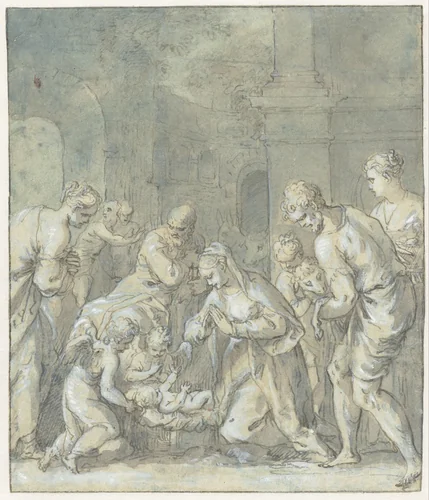
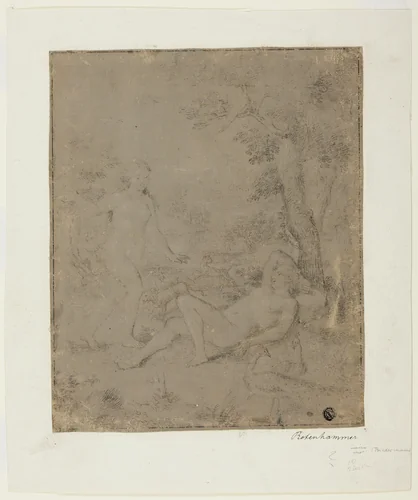
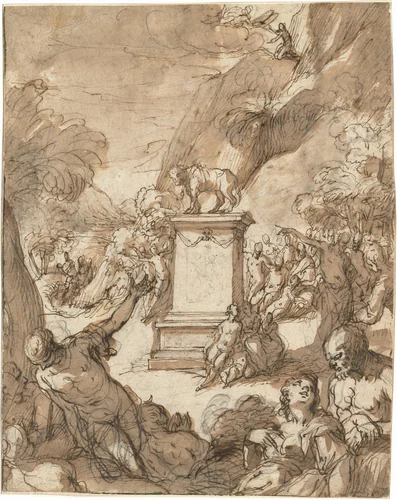
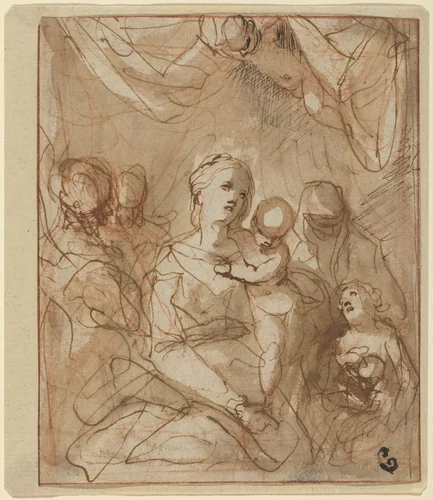
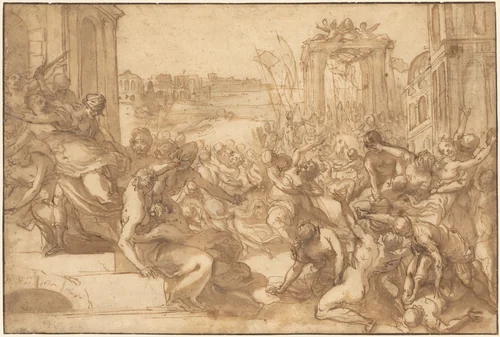
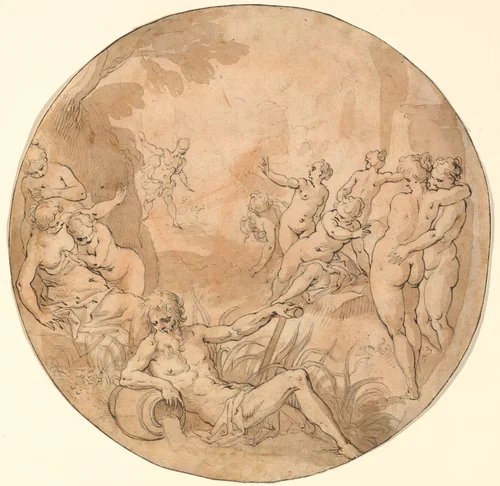
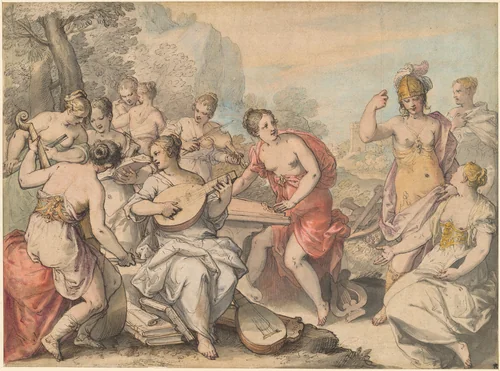
Today, surviving drawings and Hans Rottenhammer paintings, including the masterful depictions of Adam and Eve and Baptism of Christ, remain highly regarded for their technical brilliance and historical significance. Collected by institutions such as the National Gallery of Art and the Metropolitan Museum of Art, his art continues to inspire. Furthermore, many of these museum-quality works are now available in the public domain, allowing enthusiasts to acquire high-quality prints that showcase his intricate detail and enduring importance to European Mannerism.
Source: Wikipedia · CC BY-SA 4.0