Hans Poelzig
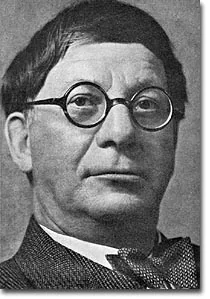
Hans Poelzig occupies a singular position within early 20th-century German modernism, distinguished as a prolific polymath whose creative output spanned architecture, painting, and set design. His most influential period, culminating immediately after the First World War, saw him pivot toward the emotional and dramatic intensity of Expressionism, exploring structures defined by their palpable mass and psychological weight.
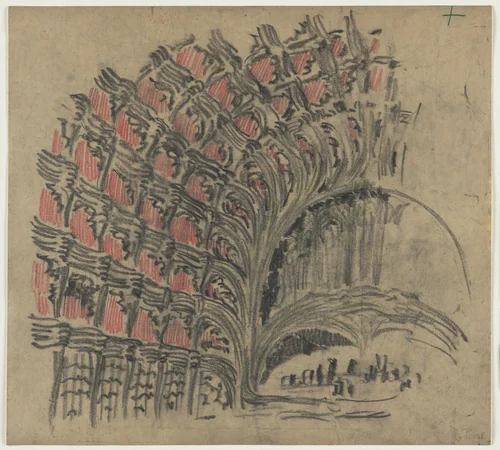
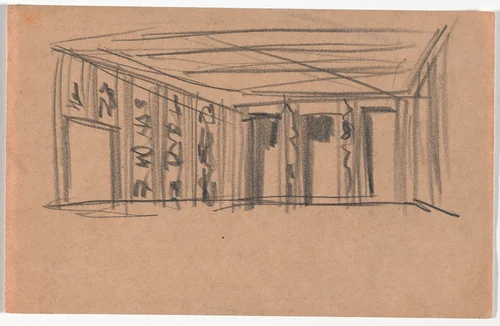
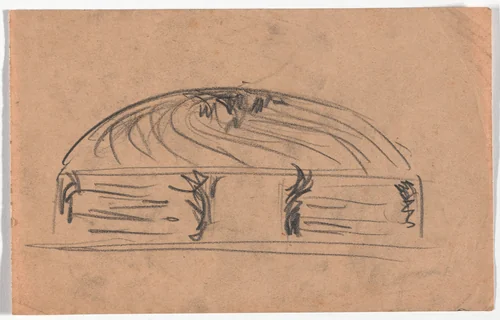
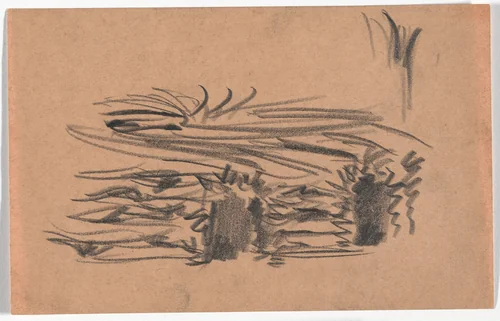
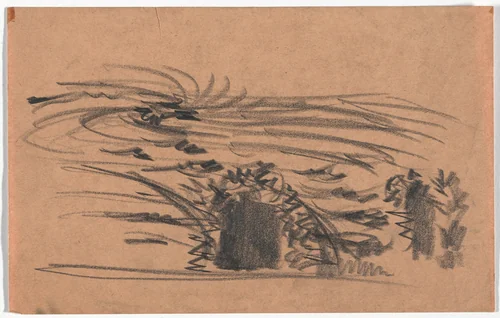
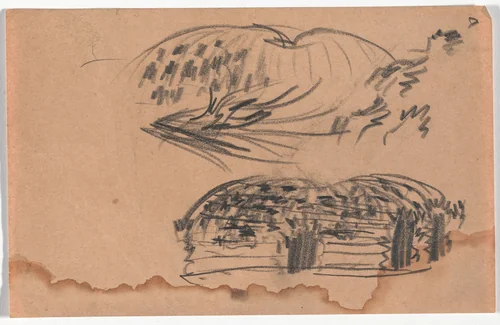
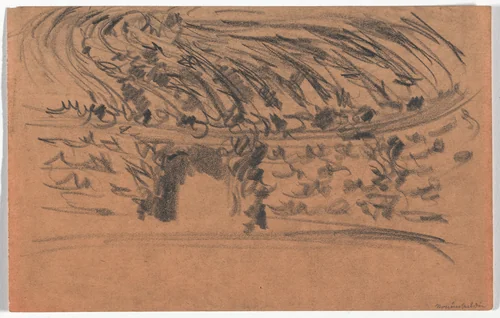
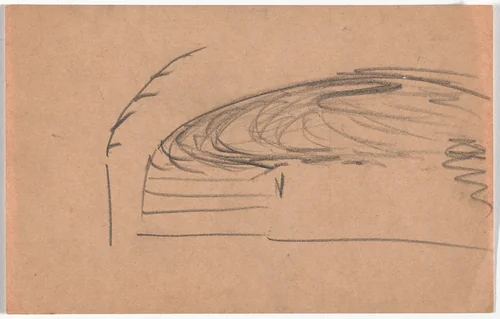
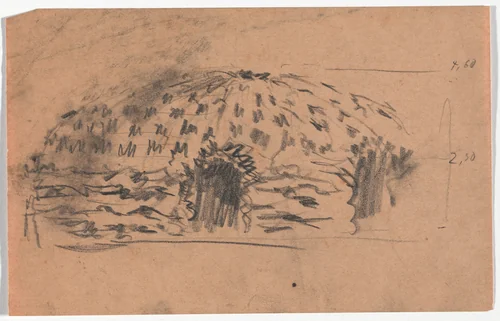
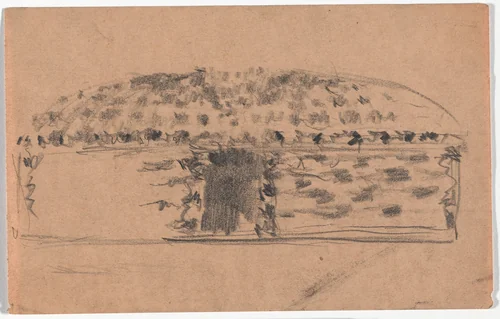
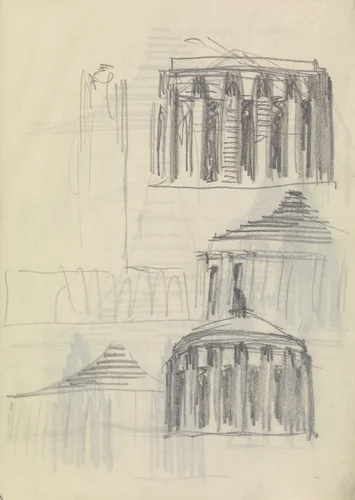
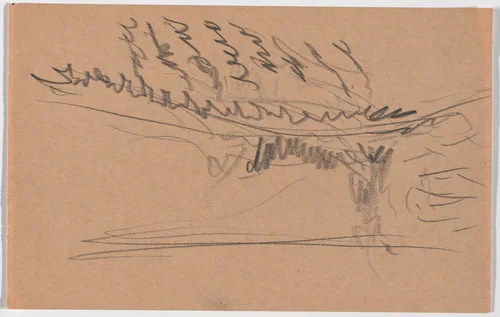
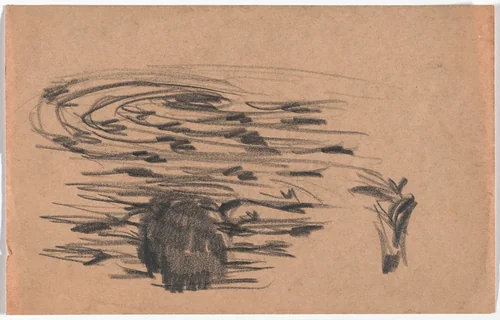
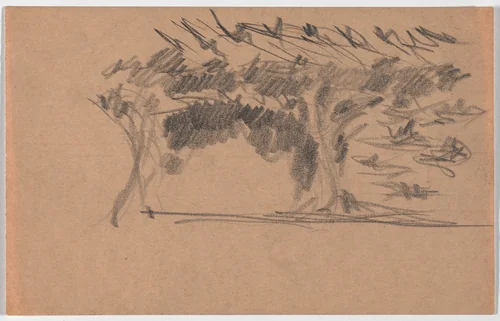
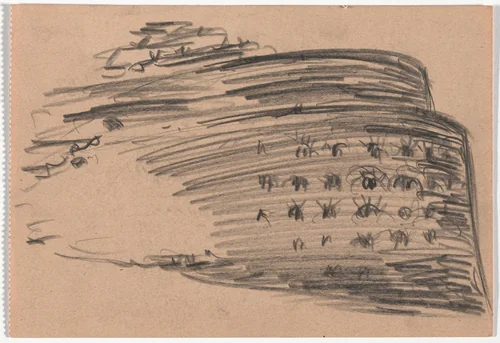
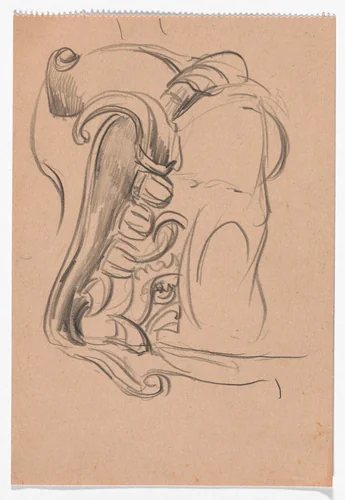
Poelzig’s architectural legacy is often viewed through the lens of his major unrealized schemes, which pushed the boundaries of spatial dynamics. Notable among these 15 recorded projects are the comprehensive preliminary schemes for the Mozarttheater project, Dresden, and the adjacent designs for the Concert Hall Project, Dresden. Executed between 1918 and 1919, these works reveal an architect profoundly concerned with the interior experience. The sketches, often rendered in stark perspective, emphasize soaring verticality, curved, fluid forms, and the use of dramatic artificial lighting, demonstrating a clear departure from the austere functionalism that would later dominate the decade. These visionary concepts, meticulously detailed through studies like the "Interior perspective of preliminary scheme," cement his importance as a transitional figure between historicism and the emerging avant-garde movements.
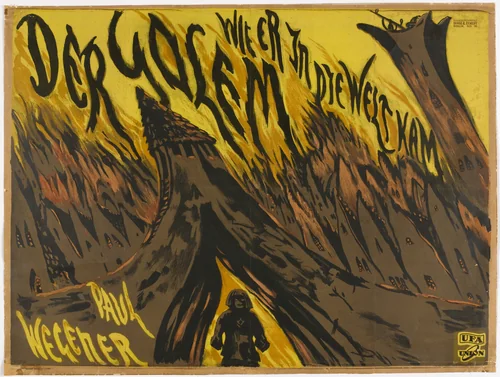
While his architectural prowess aimed for permanence, Poelzig displayed remarkable versatility in the most ephemeral of arts. A subtle but illuminating contradiction in his career is the concurrent commitment to designing temporary stage sets and scenery, applying the same dramatic principles of light and mass to the theatrical stage that he utilized in his monumental building drafts. This dual focus allowed him to test revolutionary ideas on a functional scale before attempting to integrate them into concrete designs.
Poelzig’s influence resonates internationally, with institutional recognition from leading collections such as the Museum of Modern Art (MoMA), where his crucial architectural drawings are preserved. Today, this important body of graphic work, including studies for projects such as the Mozarttheater project, Dresden, frequently falls within the public domain. This ensures that the highly detailed, museum-quality studies that define his Expressionist phase remain accessible for academic research and enjoyment. Researchers and enthusiasts can readily acquire Hans Poelzig prints and downloadable artwork, offering modern access to his unique vision and continuing to establish his relevance long after the initial burst of the Expressionist movement faded.
Source: Wikipedia · CC BY-SA 4.0