Hans Lützelburger
Hans Lützelburger (also documented as Hans Franck) was a German formschneider, or blockcutter, whose technical precision and virtuosity set the benchmark for woodcut execution during the Northern Renaissance. Active during a critically important period of graphic arts innovation, approximately 1518, Lützelburger occupied the highly specialized role of translating an artist’s design onto the wooden block surface, a task demanding profound mastery of microscopic detail and line weight. He is universally regarded as one of the finest technicians of his day.
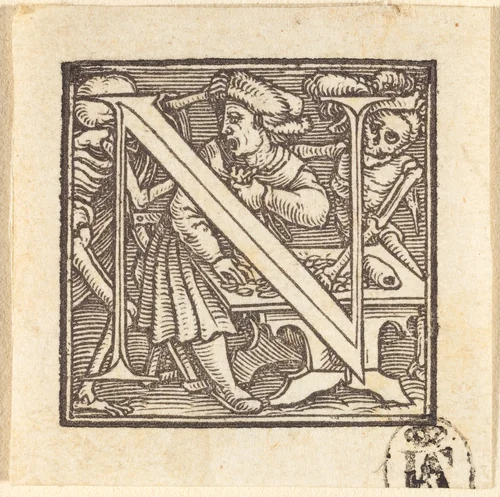
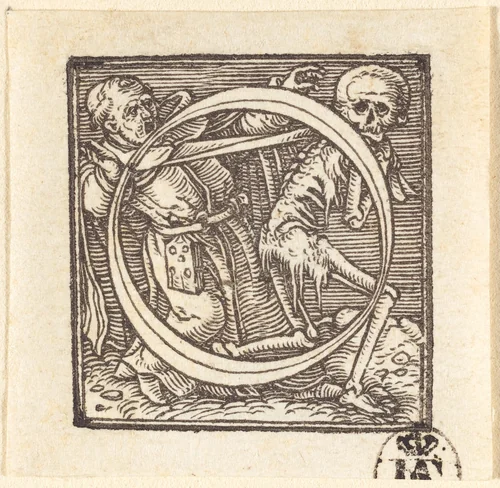
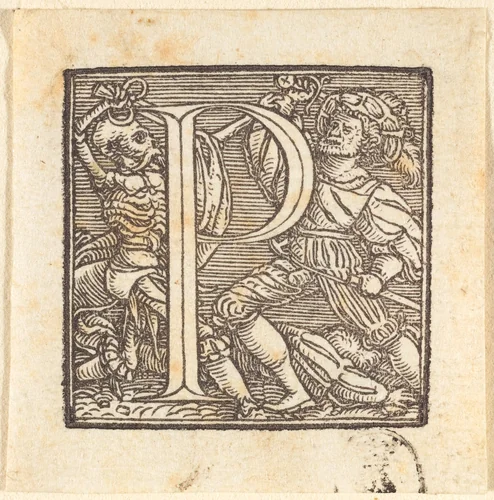
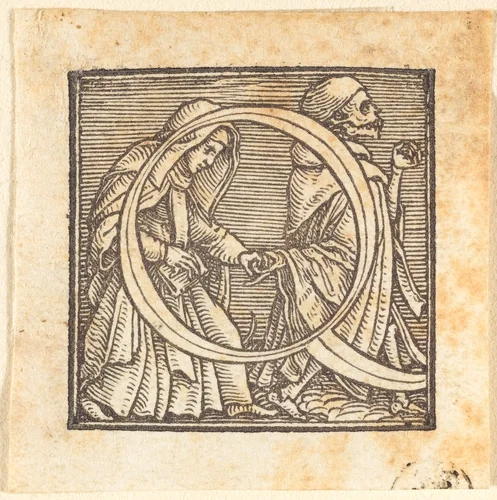
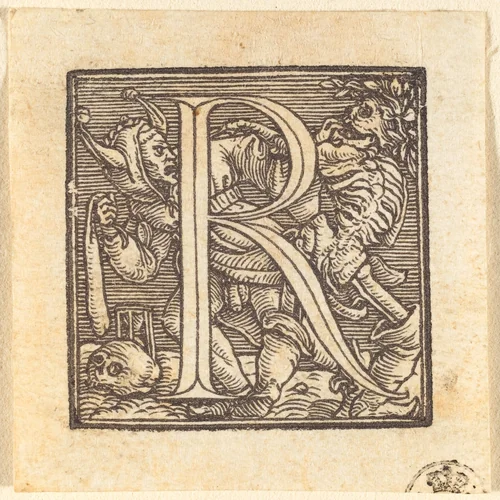
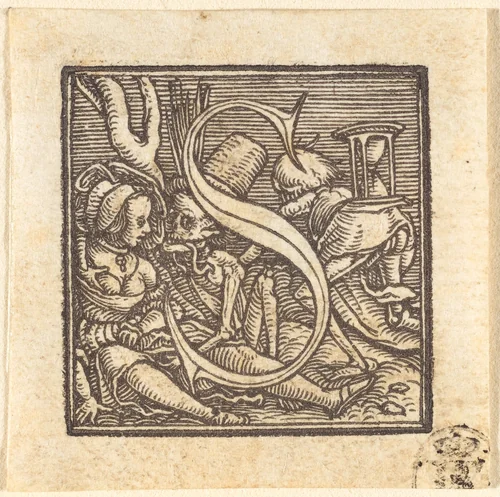
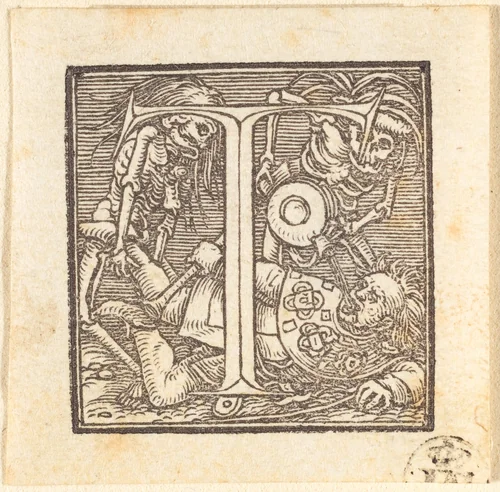
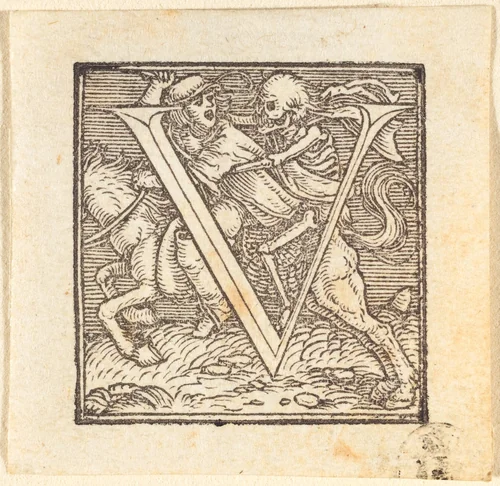
Lützelburger’s enduring legacy is inextricably tied to his partnership with Hans Holbein the Younger. He achieved his most celebrated feats of skill cutting the blocks for Holbein’s pivotal series, The Dance of Death. This project, known for its tiny scale and complex detail, required a level of technical finesse that few blockcutters could approach. Lützelburger’s ability to render the delicate shading and minute figures achieved a visual sophistication previously unseen in woodcuts, effectively pushing the medium’s capacity toward the refinement of copper engraving.
Of the full series of designs created by Holbein, Lützelburger successfully cut 41 blocks, works characterized by their masterful handling of fine lines and nuanced negative space. It remains a peculiar footnote in the history of printmaking that the master craftsman, widely recognized for his precision, died before the commission was finalized, leaving the remainder of the series to be finished by lesser hands.
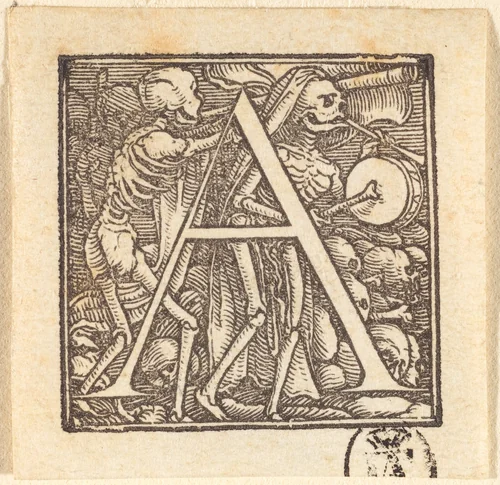
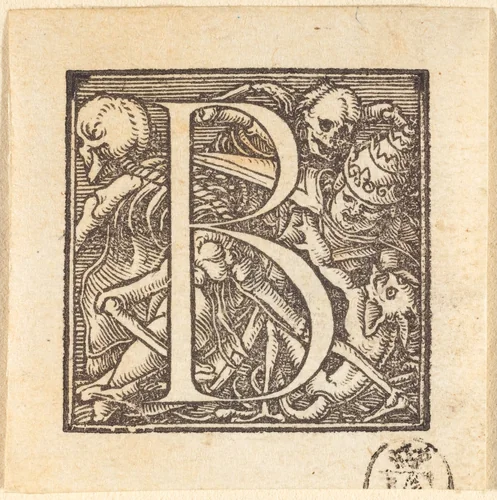
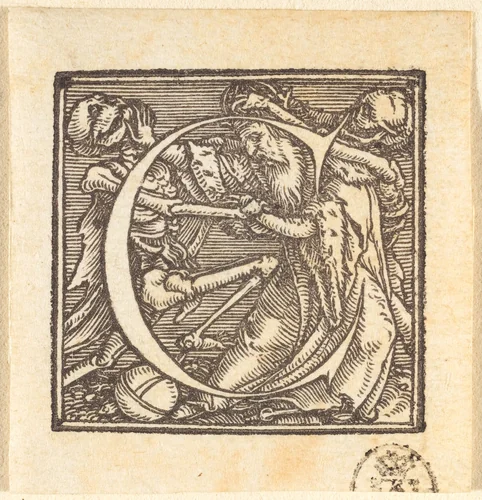
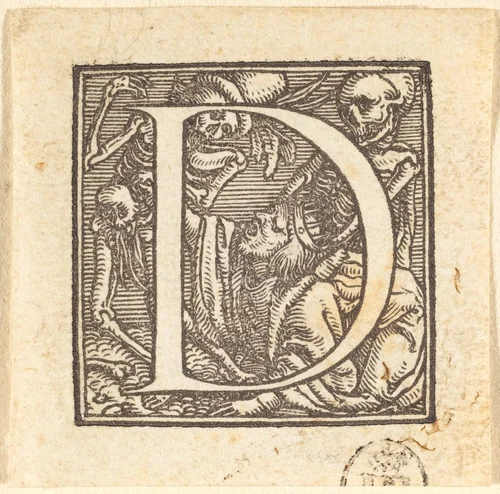
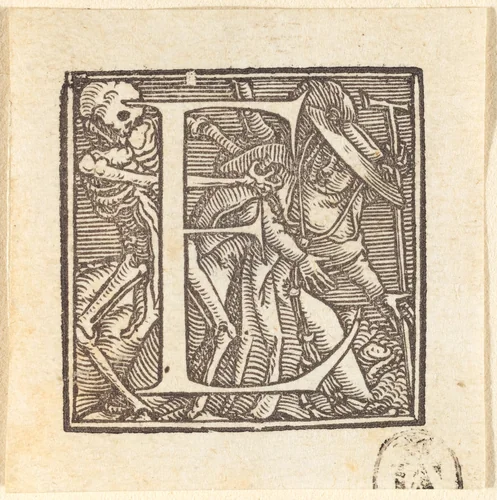
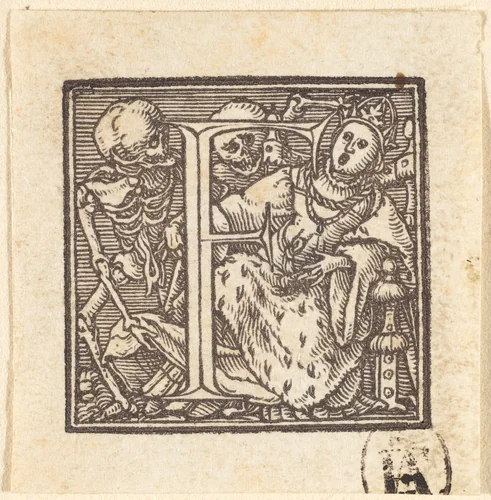
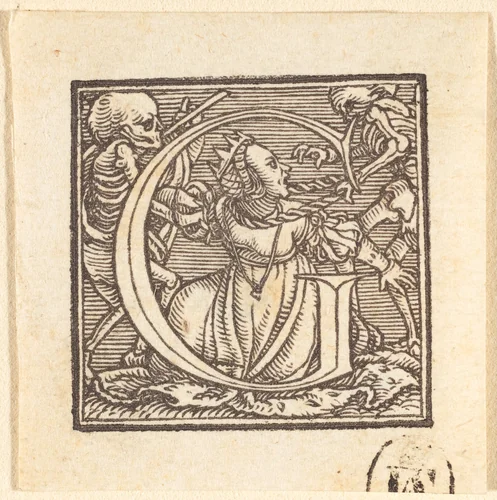
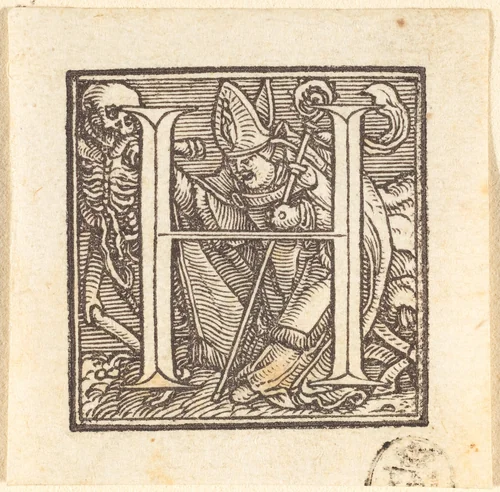
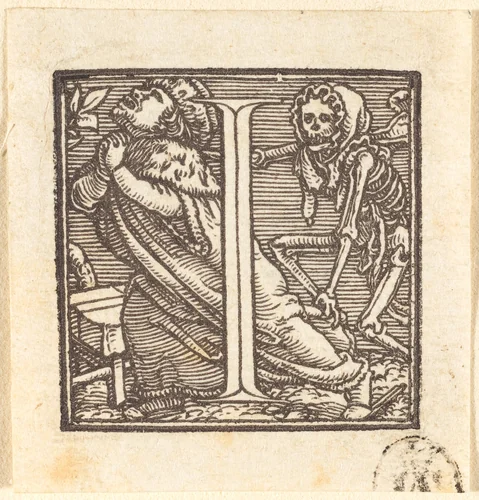
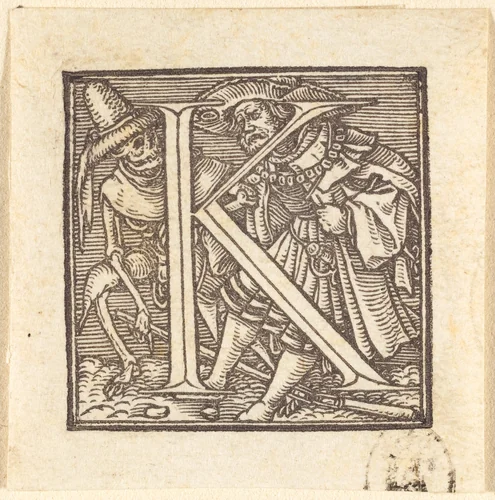
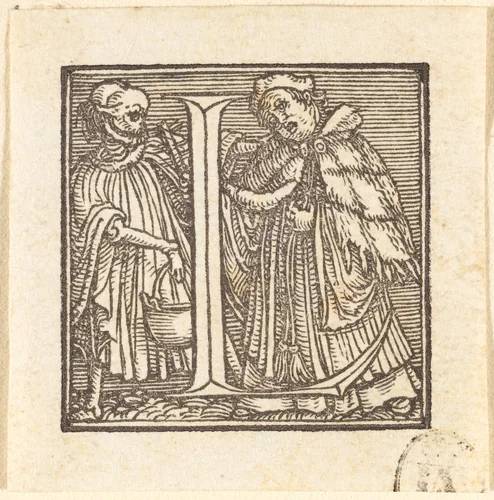
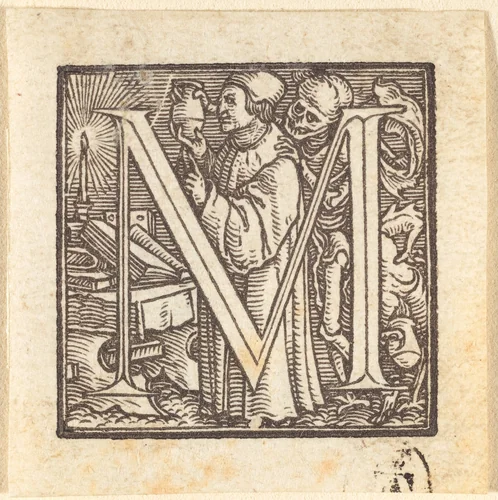
Beyond his collaboration with Holbein, Lützelburger executed other exemplary commissions, including a series of ornamental initial letters, such as the detailed block examples known as Letter A through Letter E. The surviving oeuvre, totaling around 15 prints, testifies to his consistent standard of execution. Though his career was brief, his exacting standards ensured the creation of exceptionally high-quality prints that established a new criterion for graphic excellence. Today, these historical works are preserved in major public collections, including the National Gallery of Art, offering museum-quality viewing experiences. Fortunately, many of these influential images are now in the public domain, ensuring they remain accessible for study and appreciation.
Source: Wikipedia · CC BY-SA 4.0