Hans Kappler
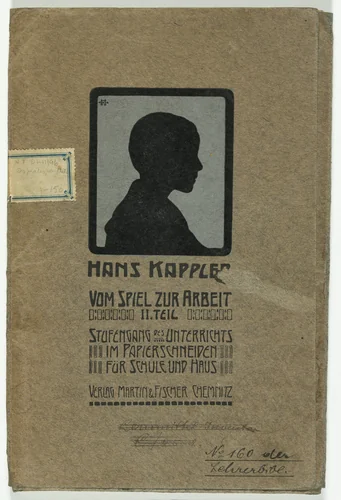
Hans Kappler was a designer active in 1920, specializing in instructional and educational materials. Kappler’s known output is firmly rooted in pedagogical theory, focusing specifically on the application of the educational concepts developed by Friedrich Froebel, the German founder of the kindergarten system.
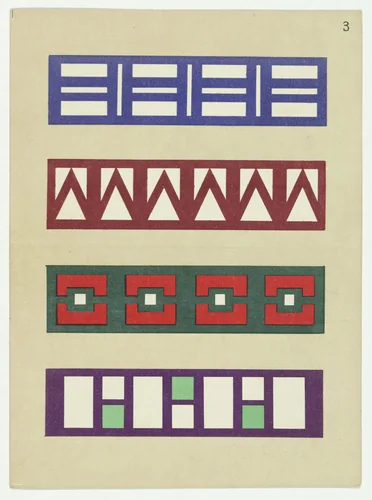
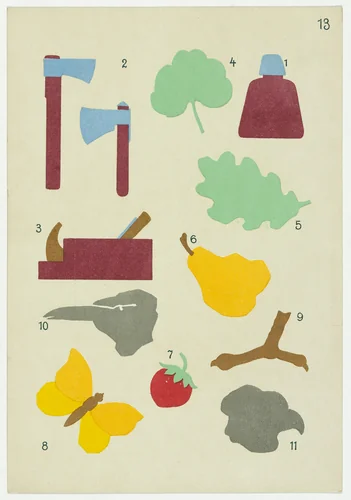
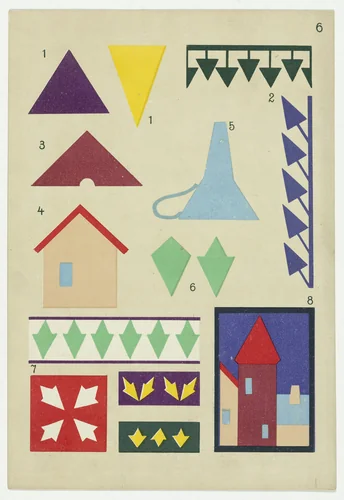
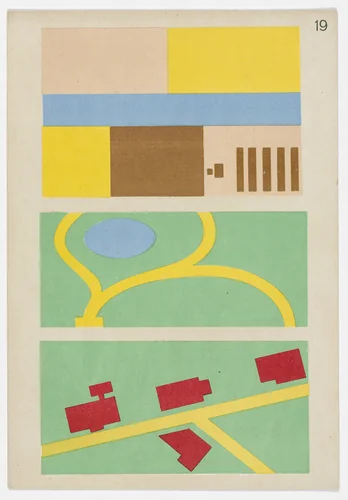
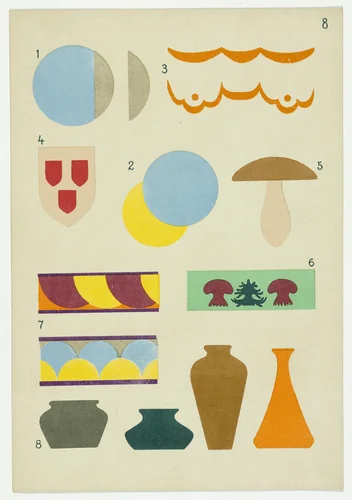
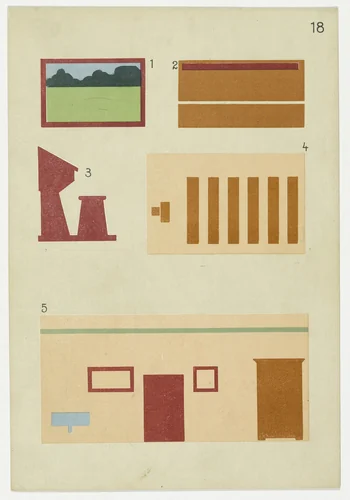
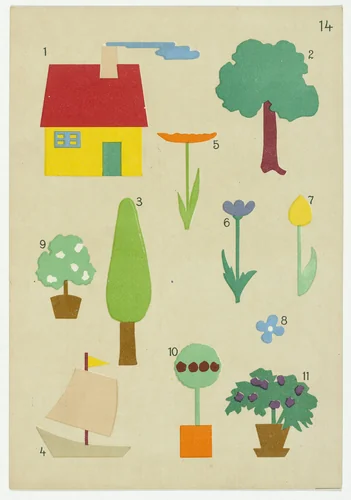
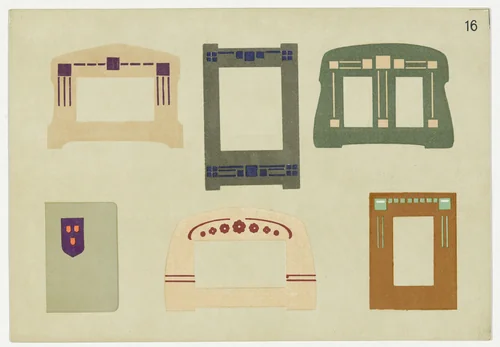
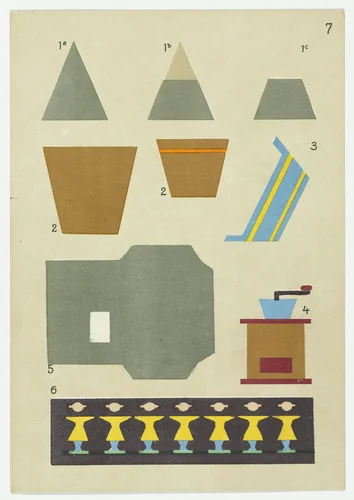
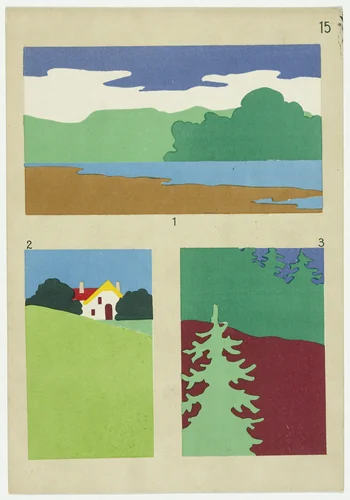
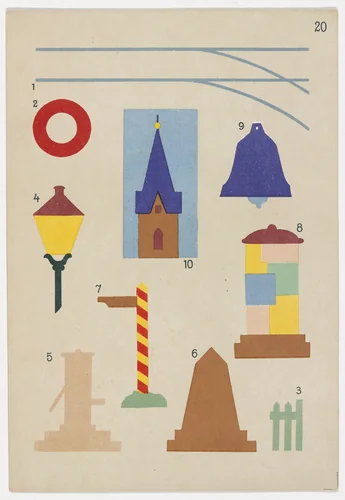
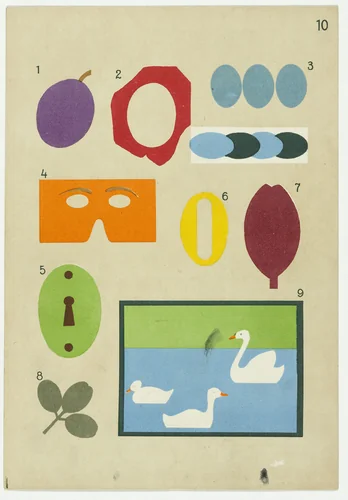
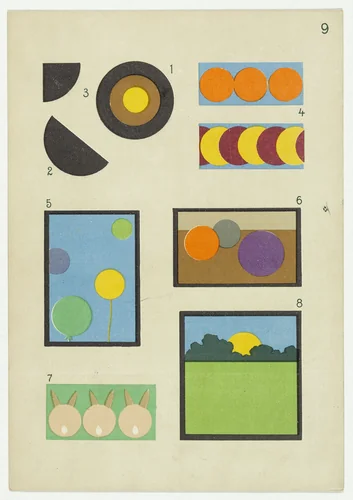
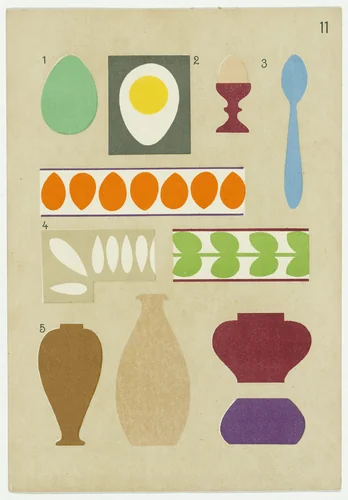
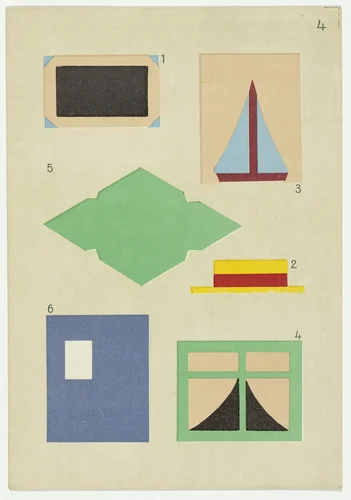
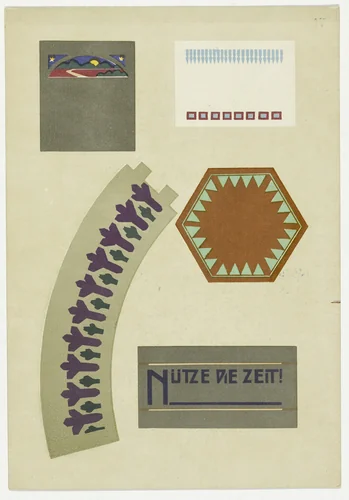
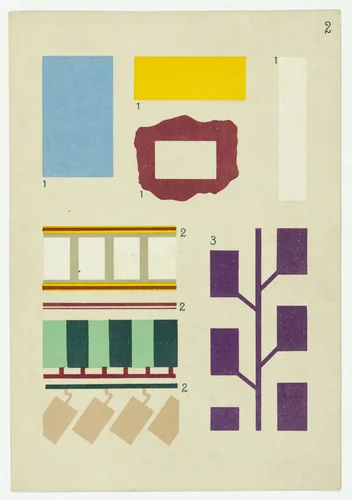
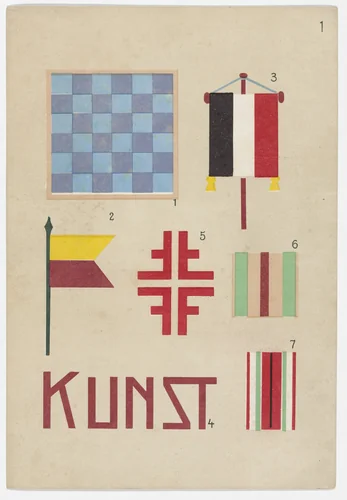
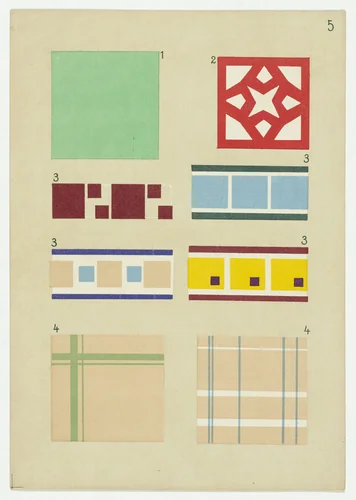
The designs by Kappler utilize the specific parameters of Froebel’s teaching aids, known collectively as the “gifts.” Kappler’s work translates these theories into practical, manipulative exercises aimed at early childhood development, emphasizing geometry, structure, and spatial reasoning. Fifteen designs attributed to Kappler are represented in institutional collections. These works include variations of Gift 13: Paper Cutting, a material used in the Froebel system to teach pattern creation and precision through geometric paper manipulation.
The enduring importance of Kappler’s contribution to design and education is confirmed by the presence of his works in major institutions, including the Museum of Modern Art (MoMA). His output provides a key reference point for the study of early 20th-century applied design and its relationship to structured learning systems. Today, Hans Kappler prints are often studied as examples of functional graphic design, and these designs remain a significant resource for those seeking high-quality prints related to early modernist aesthetics and educational methodologies.