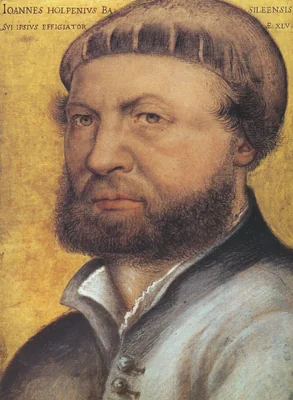
Hans Holbein
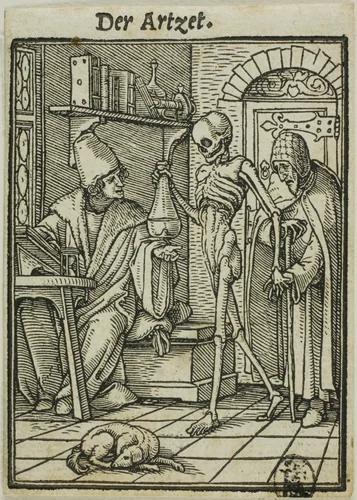
The name Hans Holbein refers to two pivotal figures in Northern Renaissance art: Hans Holbein the Elder, a distinguished German painter, and his son, Hans Holbein the Younger, the considerably more famous Swiss-German artist and printmaker whose revolutionary portraiture defined the Tudor court. The Elder (active roughly 1495-1522) established a formidable artistic legacy in Augsburg, working at the cusp of the late-Gothic period and the emerging Italian Renaissance influence.
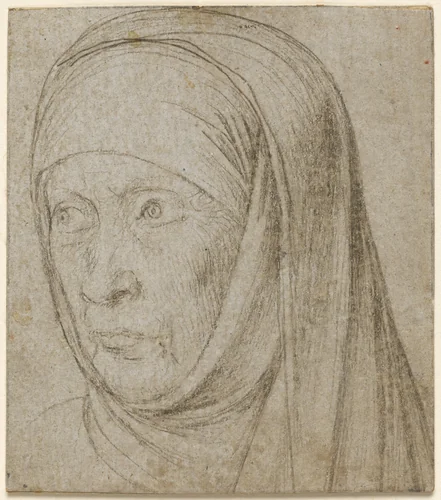
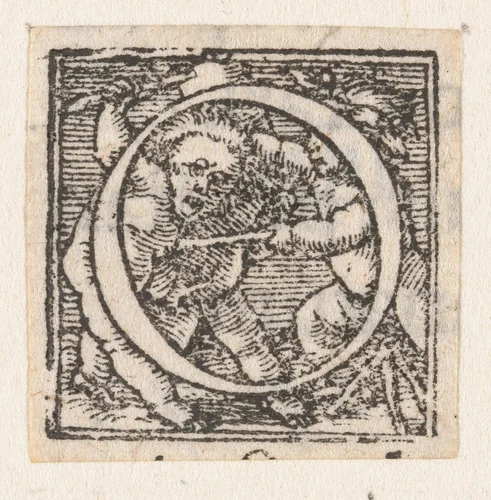
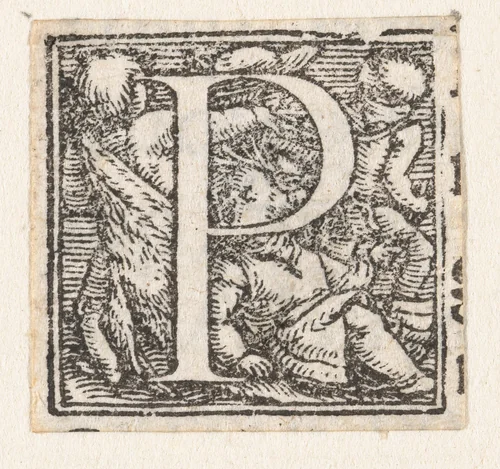
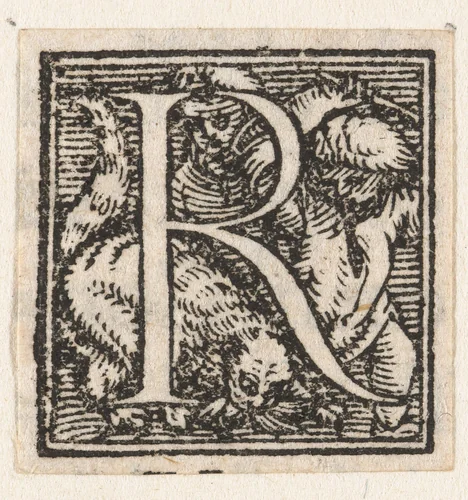
Holbein the Elder excelled not only in grand altarpieces but also in preparatory drawings and graphic works, disciplines often overlooked but essential to workshop efficiency and dissemination. His surviving oeuvre demonstrates a rigorous focus on line and compositional clarity, skills evident in the 13 known prints and 2 drawings currently tracked in major collections, including the Cleveland Museum of Art and the Art Institute of Chicago. The detailed character studies, such as Head of an Old Woman, reveal a profound empathy and technical mastery of silverpoint and chalk.
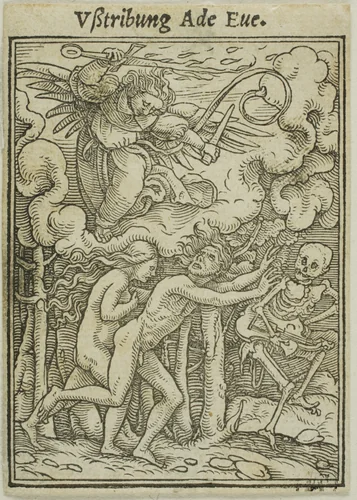
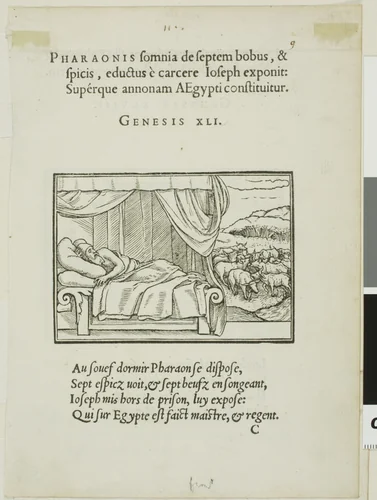
His output includes complex narrative scenes, often rendered with high narrative density suitable for dissemination through early printing technology. Notable examples include the religious scenes Adam and Eve Driven out of Paradise and works designed for efficiency in graphic reproduction, such as the double-sided sheets Pharoah's Dream (recto); Jacob Adopts Sons of Joseph (verso). These high-quality prints served as models for other artists and provided a means of communicating detailed religious instruction to a wider audience.
It is perhaps a subtle injustice of history that the Elder’s foundational influence and compositional genius are often viewed simply as a prelude to the international celebrity of his son. Nevertheless, the Elder’s enduring contribution to the shift from late-Gothic rigidity to Renaissance naturalism is indisputable. Today, many of these foundational Hans Holbein prints and drawings are available in the public domain, offering researchers direct access to royalty-free imagery and preparatory sketches that shaped the trajectory of German art into the 16th century.
Source: Wikipedia · CC BY-SA 4.0