Hans de Bull
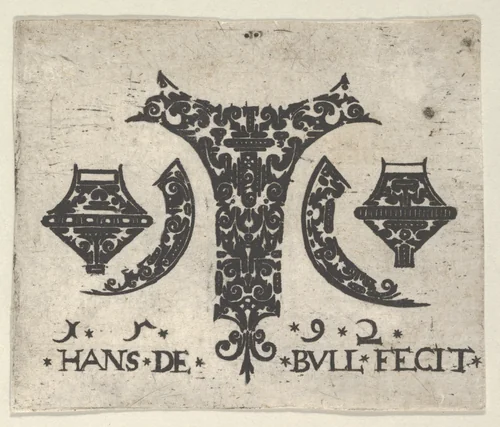
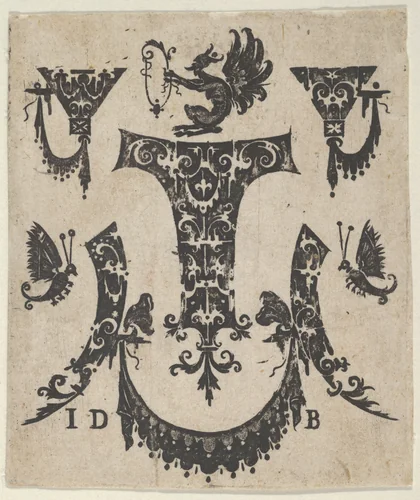
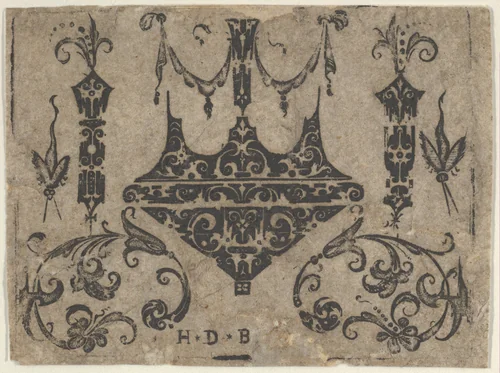
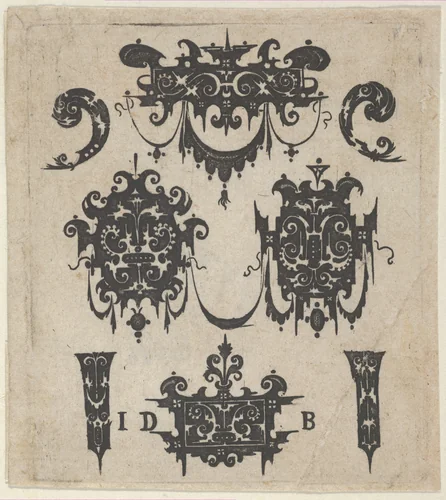
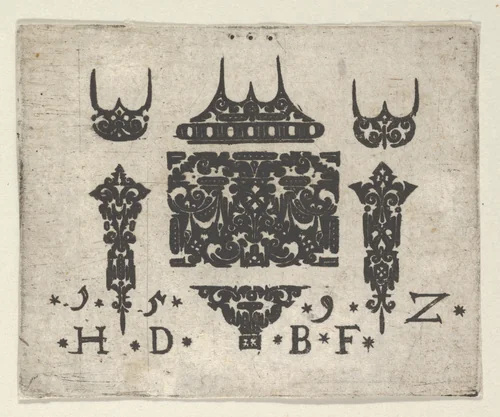
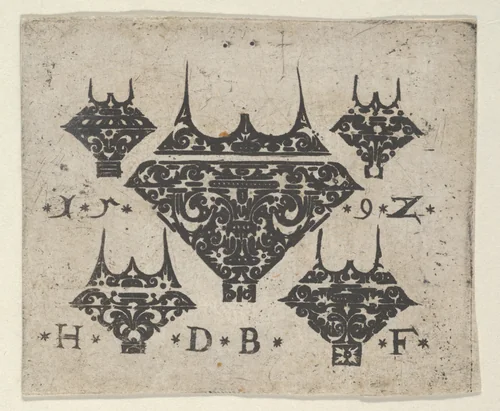
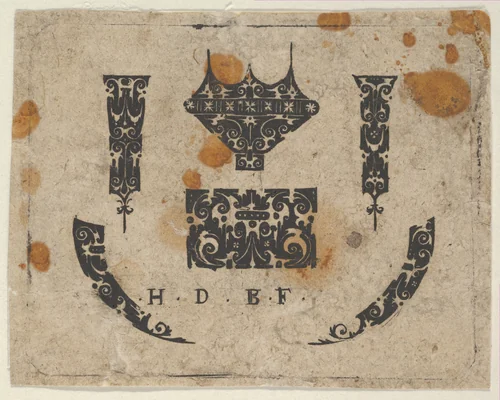
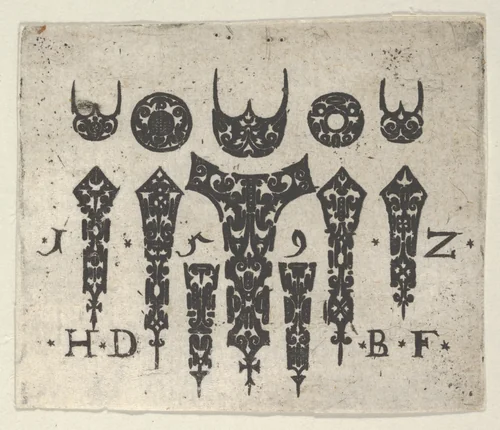
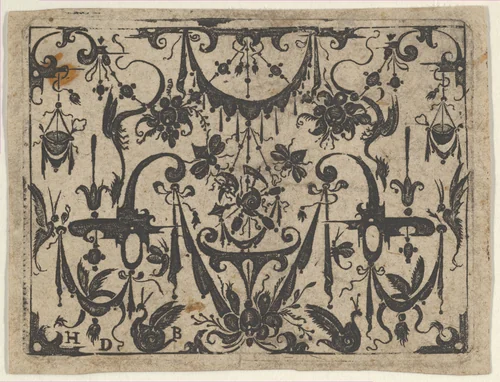
Hans de Bull was a specialized printmaker active during the late sixteenth century, documented specifically in 1592. His known output consists exclusively of highly intricate ornamental engravings, defined by the exacting technique of Blackwork. This detailed style was crucial for generating design templates, particularly for goldsmiths and jewelers, emphasizing minute detail and complex scrolling.
De Bull is represented in major international collections, with 13 of his prints documented and preserved in institutions including the Metropolitan Museum of Art. This body of work provides primary source material regarding European decorative design toward the end of the Renaissance period.
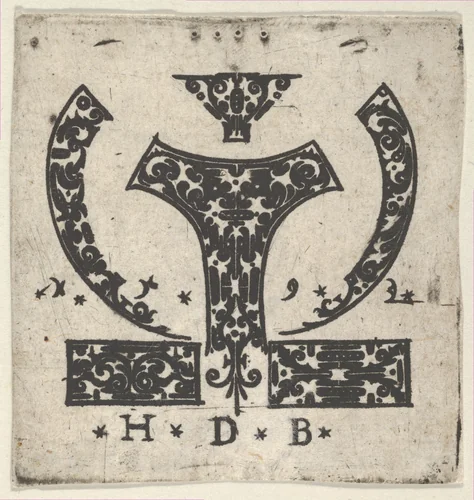
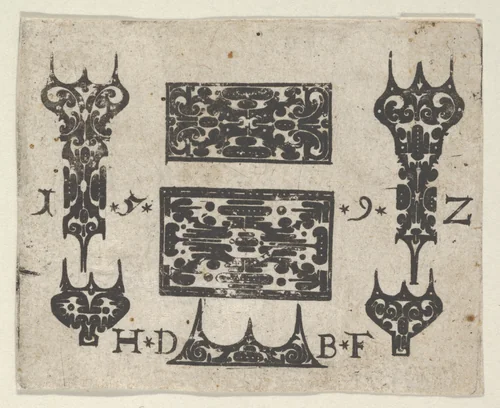
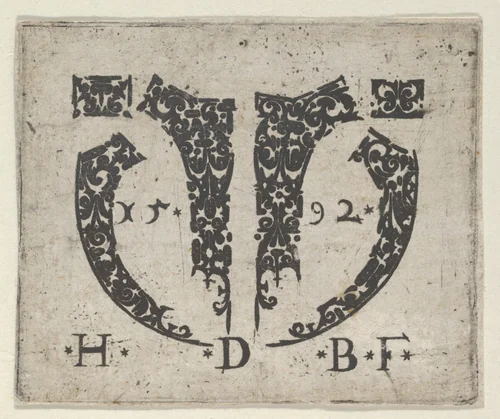
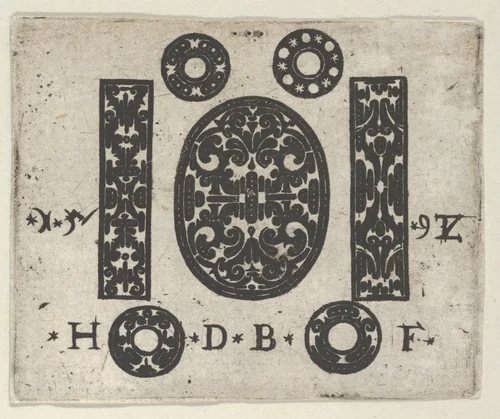
His ornamental compositions frequently feature complex geometric and naturalistic elements. Notable designs include the Blackwork Print with Design for a Ring Shoulder and Bezel Flanked by Pairs of Fillets and the Blackwork Print with Four Ring Bezel Combined with C-Scrolls and Insects. Other significant examples detailing minute craftsmanship are the Blackwork Print with Two Horizontal Panels Below a Pair of Lunar-Shaped Fillets with Two Motifs at Center and the Blackwork Print with Four Shweifwerk Motifs Decorated with Swag Combined with Four Small Fillets.
The sustained presence of Hans de Bull prints in significant collections establishes the historical and artistic merit of his designs. Today, this high-quality historical content is often accessible as royalty-free reference material and downloadable artwork through major institutional public domain initiatives.