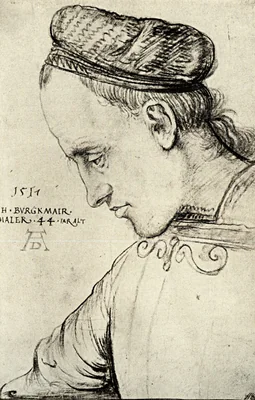
Hans Burgkmair
Hans Burgkmair the Elder (1473-1531) stands as a foundational figure of the German Renaissance, skillfully bridging the late Gothic sensibilities of the Augsburg school with the emerging visual dynamism of Italian Humanism. Active across painting and graphic arts, Burgkmair’s significance rests largely on his pioneering role in woodcut printmaking, a medium he helped transform from a relatively simple illustrative tool into a sophisticated vehicle for complex pictorial narrative.
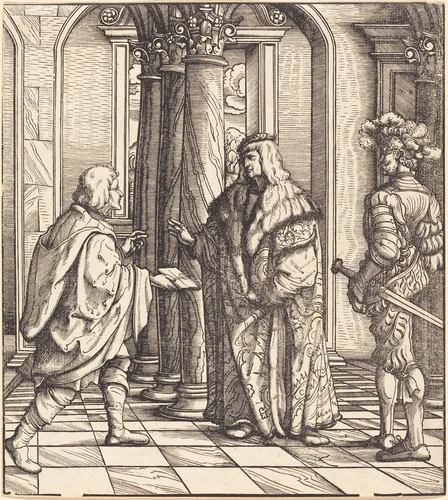
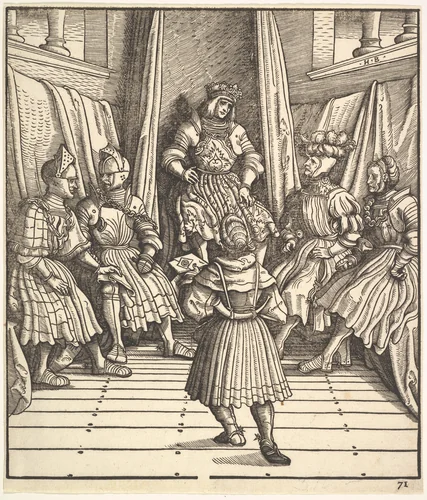
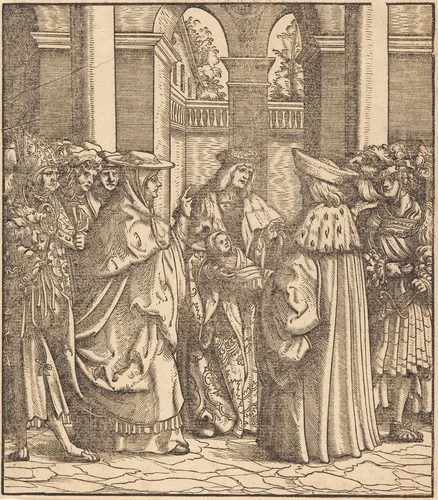
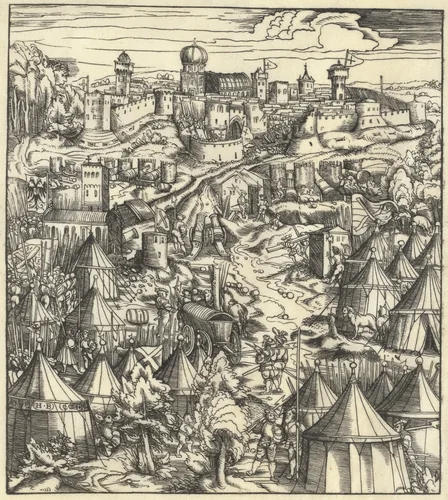
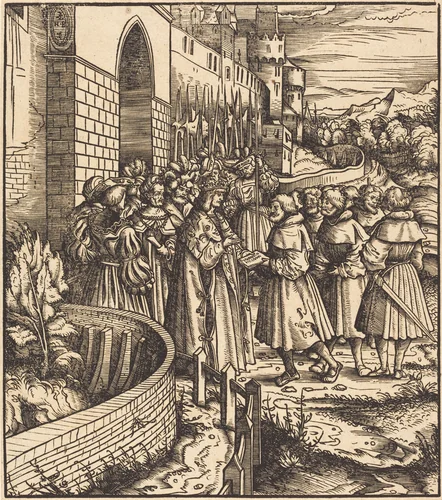
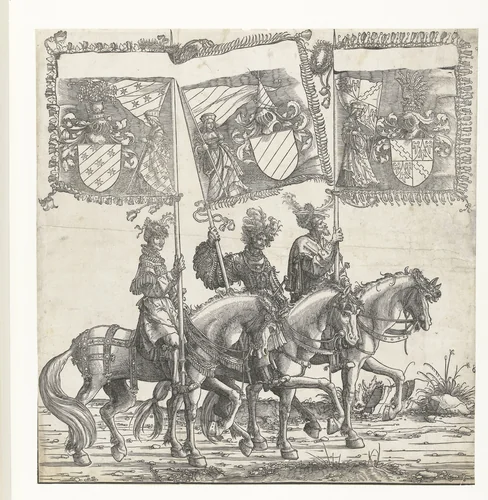
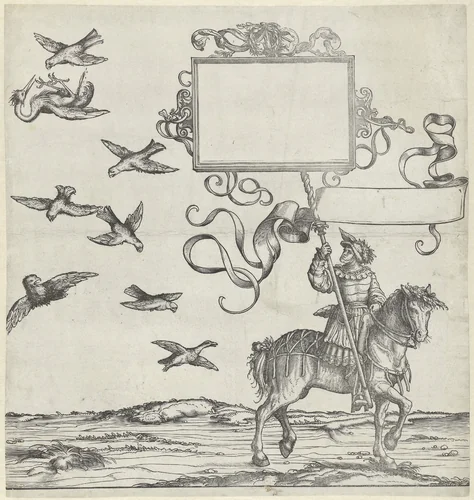
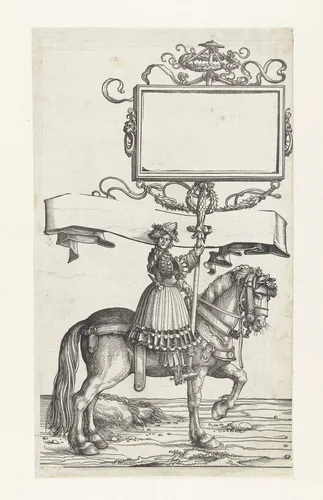
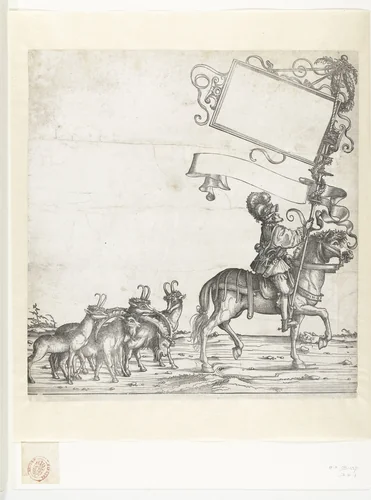
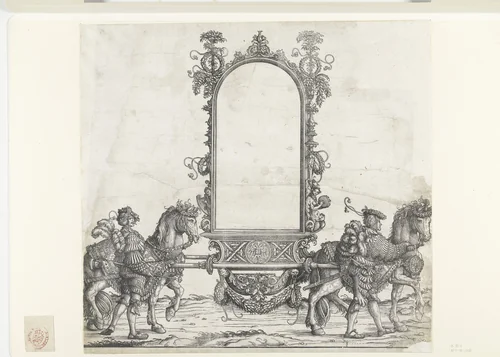
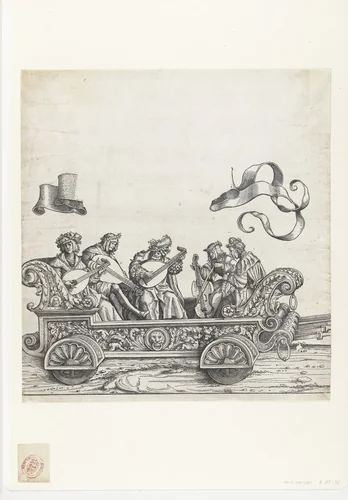
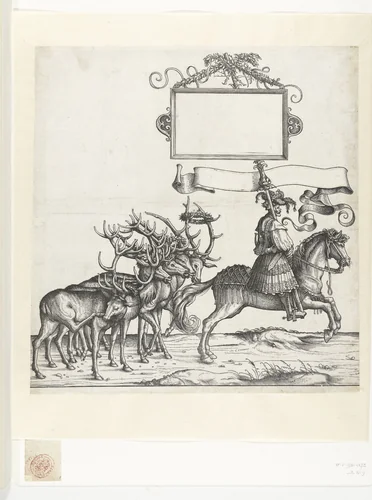
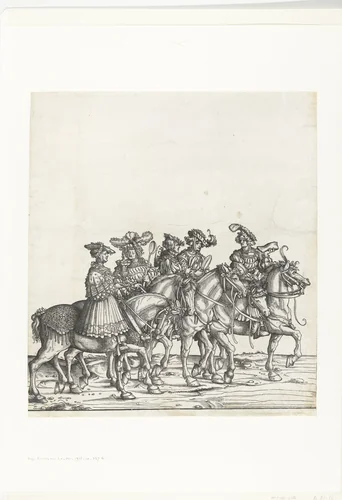
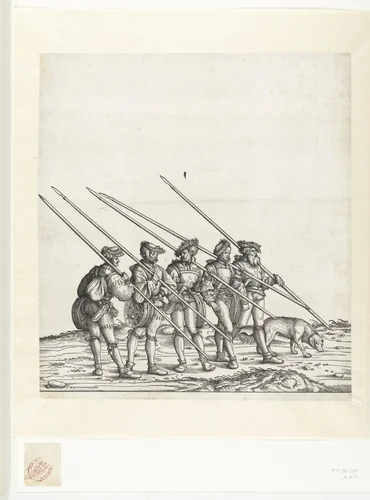
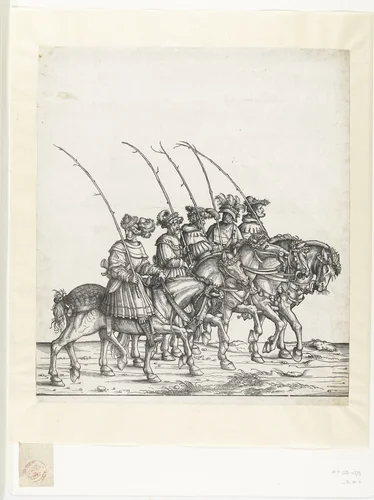
During his prolific career, Burgkmair served several powerful patrons, most critically Emperor Maximilian I. This relationship led to his involvement in the Emperor’s ambitious, near-propagandistic projects, including monumental illustrated books and memorial sequences. For these commissions, Burgkmair produced detailed, dynamic compositions such as the Illustration from "The White King" (Der Weiß König), and designs for the famed Triumphal Procession. His graphic innovations were instrumental in achieving the necessary scale and density for such state-sponsored works, marking an important technical step in the development of European printmaking.
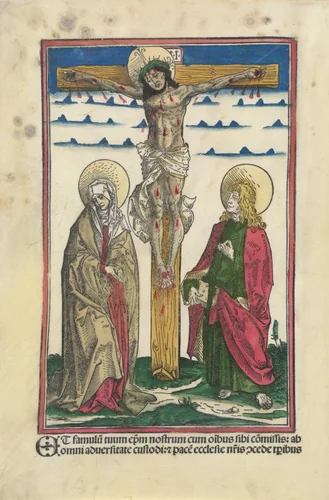
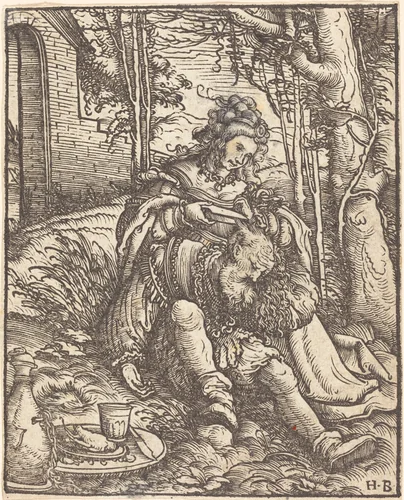
Burgkmair’s mastery of the graphic arts allowed him to transition seamlessly between subjects, from the intensely personal drama of Samson and Delilah to the solemn iconography of Christ on the Cross with the Virgin and Saint John. He was particularly adept at integrating complex perspective and ornamentation, characteristics derived from the Italian Renaissance that fundamentally changed the nature of Hans Burgkmair prints within German art. He was among the first German artists to treat the white line of the woodcut not merely as a separation, but as a textural element, often achieving coloristic effects long before the common use of multiple blocks.
It is perhaps a compelling observation that these grand, labor-intensive works, created under the explicit patronage of Imperial power, are today widely accessible. His profound influence on the dissemination of early modern German style is preserved in museum-quality collections worldwide, including the Rijksmuseum and the Metropolitan Museum of Art. Because many of these historic designs now reside in the public domain, the high-quality prints and associated royalty-free images allow global audiences immediate access to his technical genius, ensuring that Burgkmair’s legacy remains central to the study of fifteenth- and sixteenth-century visual culture.
Source: Wikipedia · CC BY-SA 4.0