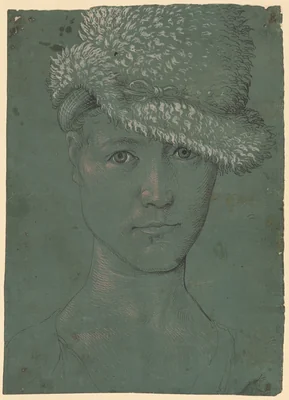
Hans Baldung
Hans Baldung, often known by the epithet Hans Baldung Grien, stands as one of the most significant and independent figures in German art during the crucial transitional period of the early sixteenth century. Active across multiple media, he excelled as a painter, draftsman, stained glass artist, and prolific printmaker. He is historically recognized as the most gifted student to emerge from the workshop of Albrecht Dürer, successfully absorbing the lessons of the Northern Renaissance while simultaneously propelling German art toward the dramatic, expressive characteristics of Mannerism.
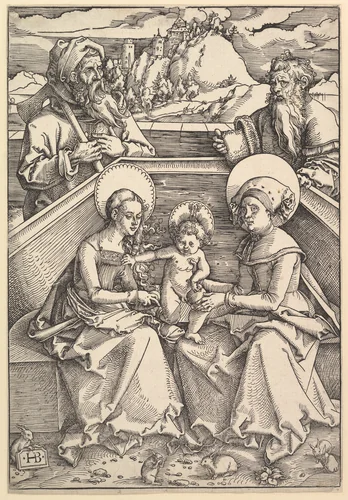
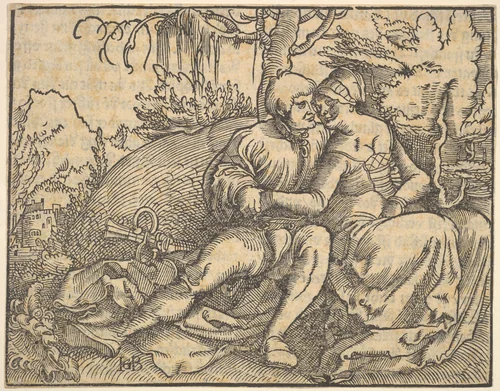
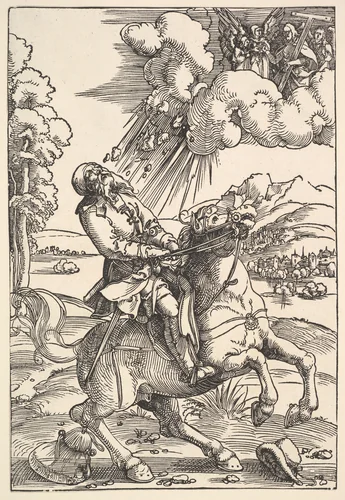
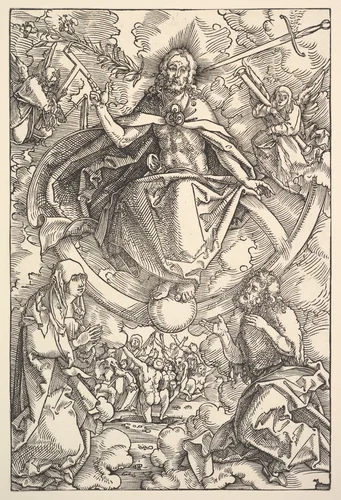
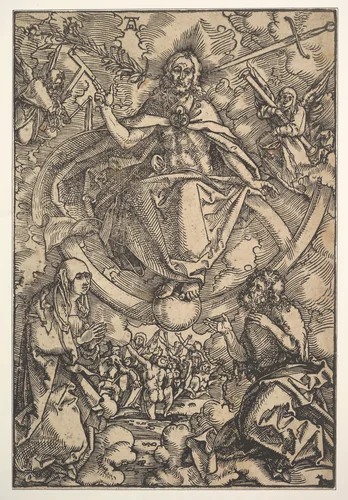
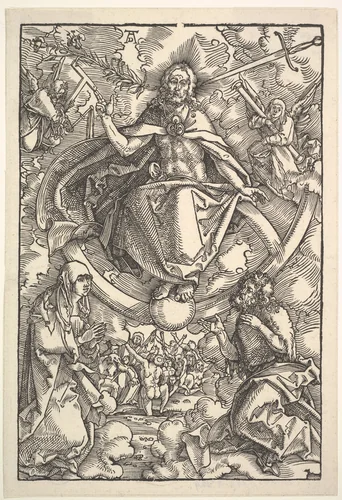
While Baldung mastered the technical precision required of Dürer’s heir, his artistic temperament quickly diverged, favoring subjects imbued with psychological tension and, at times, a theatrical macabre energy. His printmaking career, which includes a vast array of woodcuts and engravings, demonstrates an inventive approach to both religious iconography and secular allegory. Works such as the robust Christ with a Globe and the intricate illustration Adam and Eve Holding a Star exemplify the strength of line and mastery of human form that defined his graphic contribution.
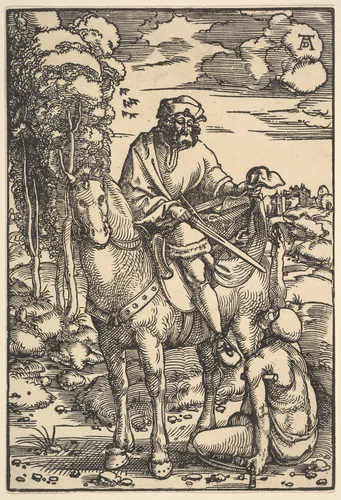
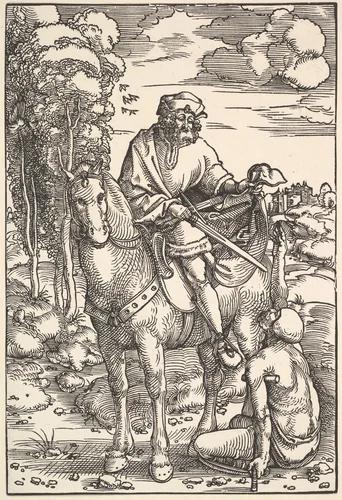
Unlike Dürer, who pursued ideals of classical beauty and mathematical harmony, Baldung frequently explored themes related to death, the supernatural, and the erotic, imbuing standard devotional subjects with unexpected dramatic flair. This willingness to embrace unsettling energy is arguably the subtle genius underlying his style, lending intense characterization to figures like the mounted hero in Saint Martin on Horseback or the steadfast figure of Saint Catherine Leaning on a Sword. Baldung’s output is remarkable for this range, shifting effortlessly from rigorous Renaissance balance to the visceral movement of the later century.
The comprehensive collection of Hans Baldung prints and drawings housed in major institutions like the Metropolitan Museum of Art confirms his lasting historical importance. Recognizing this significance, many of the artist’s most influential works currently reside in the public domain, allowing for their widespread study and distribution. This accessibility ensures that downloadable artwork and high-quality prints remain available, preserving the legacy of an artist whose distinctive style bridged the spiritual intensity of the late Gothic era with the imaginative freedom of Mannerism.
Source: Wikipedia · CC BY-SA 4.0