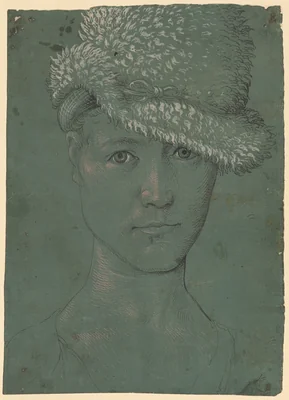
Hans Baldung Grien
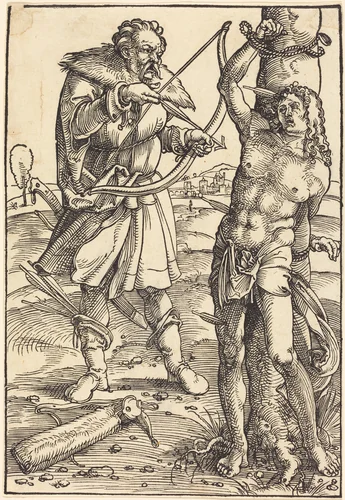
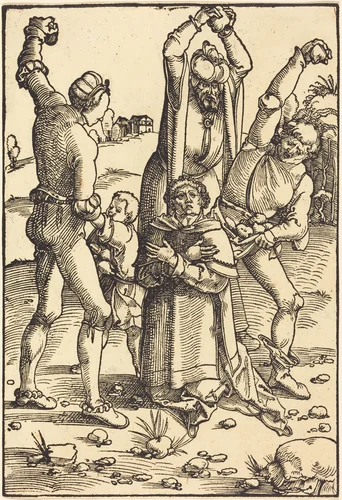
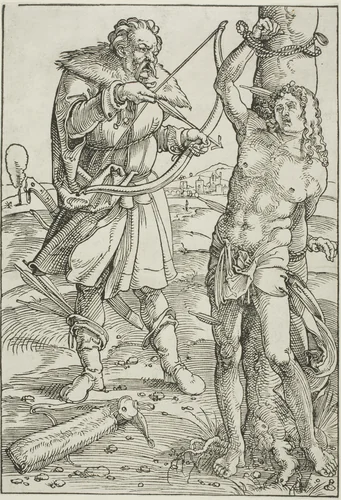
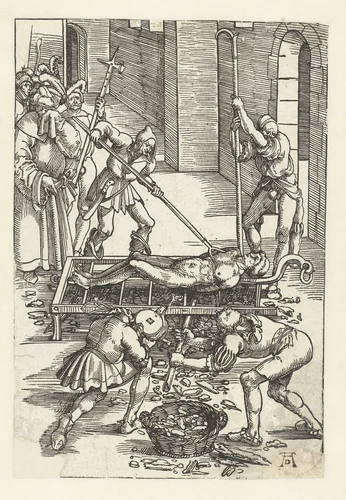
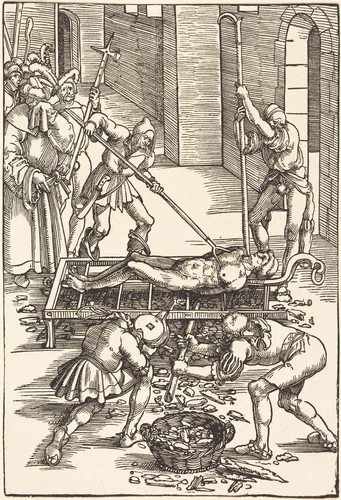
Hans Baldung Grien stands as one of the most versatile and intellectually ambitious figures of the Northern Renaissance, defining a pivotal period where classical humanism began to merge with psychological expressionism. Active principally between 1484 and 1505, Baldung was a master of diverse media, recognized as a prodigious painter, draftsman, stained glass artist, and, critically, a highly innovative printmaker and engraver. His graphic output, encompassing works like The Martyrdom of Saint Sebastian and The Stoning of Saint Stephen, established him as an artistic force far beyond the confines of his immediate workshop.
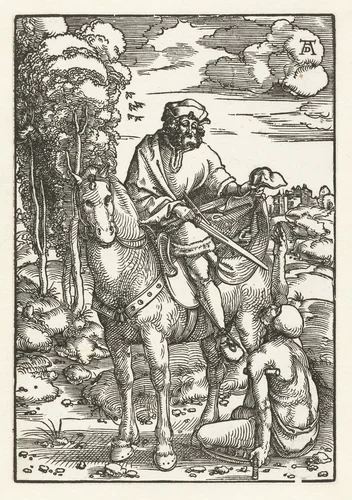
Baldung began his career as the most gifted student of Albrecht Dürer, benefiting from the rigorous technical training of the great master’s Nuremberg studio. However, Baldung quickly moved beyond Dürer's strict adherence to Renaissance ideals. His subsequent work represents a crucial stylistic pivot, bridging the formal seriousness of the German Renaissance with the burgeoning, often unsettling emotional intensity of early Mannerism. This shift is marked by dramatic compositional choices, unusual color palettes, and a persistent fascination with themes of transformation, mortality, and fate.
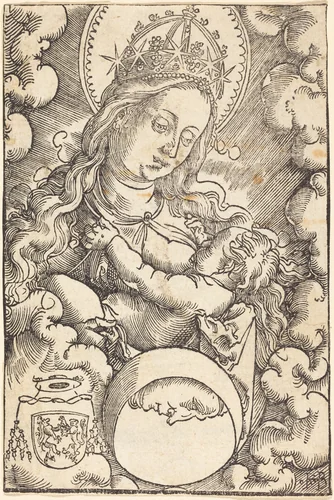
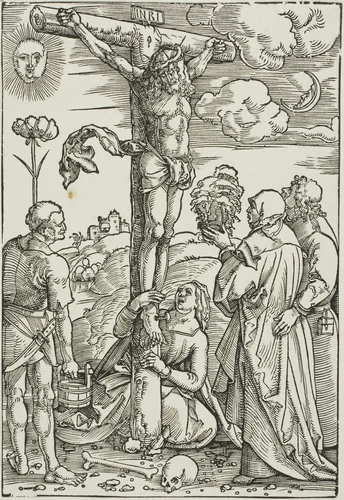
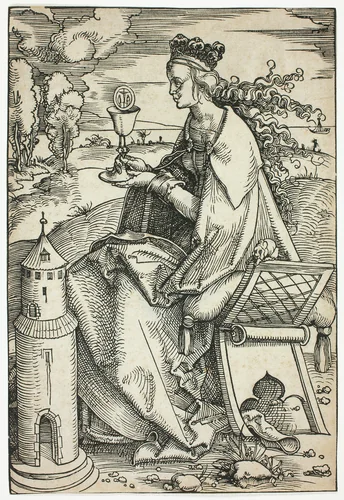
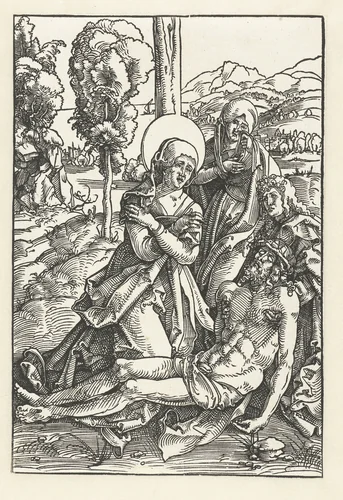
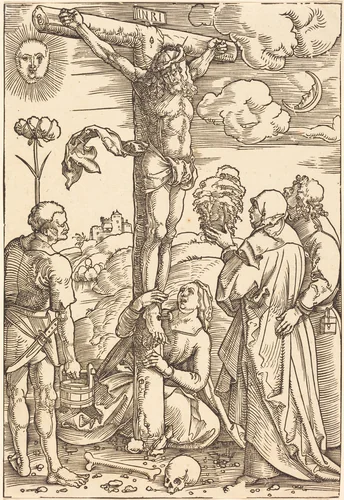
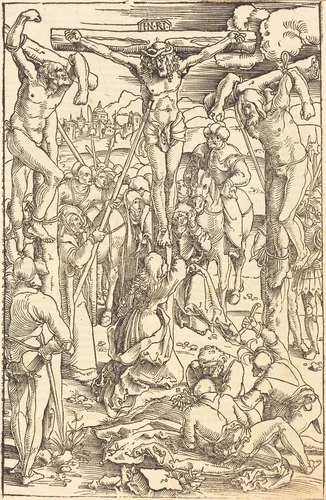
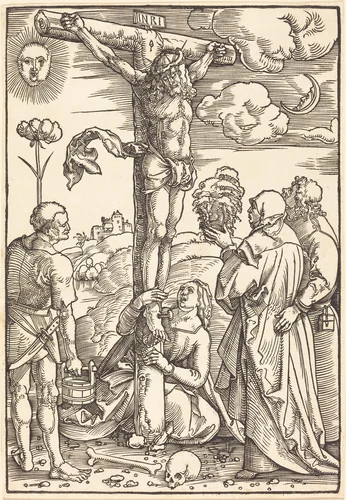
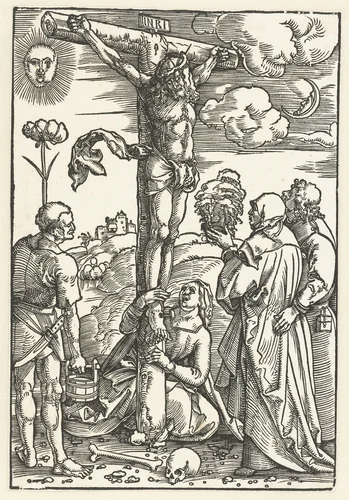
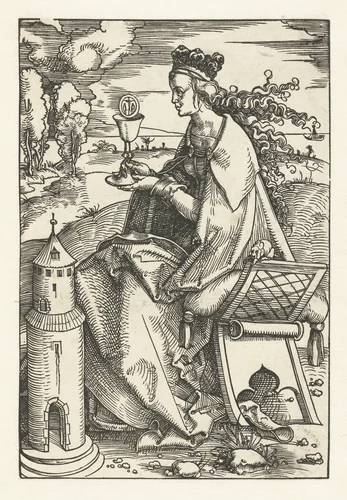
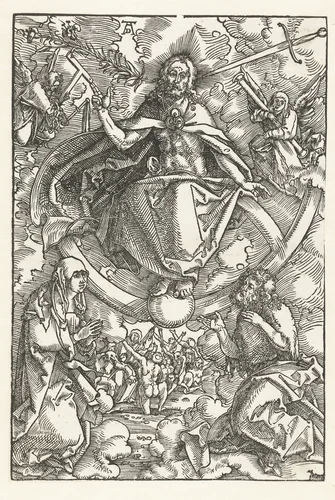
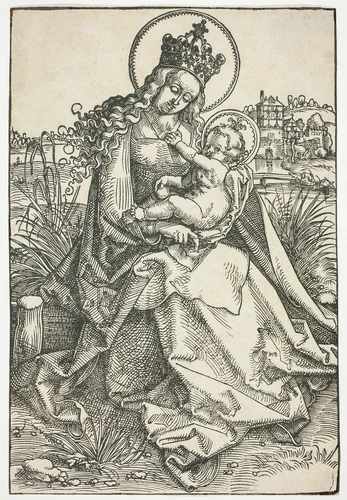
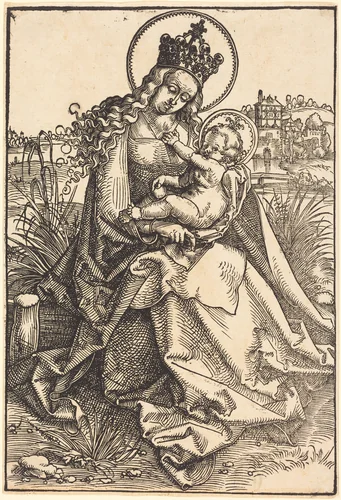
While his early period included devout subjects such as the deeply contemplative woodcut Virgin and Child in the Clouds and the dignified panel painting of Saint Barbara, Baldung developed an unmistakable, almost macabre personality. He is arguably best remembered for his unflinching willingness to explore the darker elements of myth and folklore, often juxtaposing celestial and earthly struggle, as seen in his complex composition, Christ on the Cross with Mary, John, the Magdalen, and Stephen. It is a peculiar credit to the artist that the same hand capable of rendering such piety could also capture the grotesque energy of the occult in other, highly influential works.
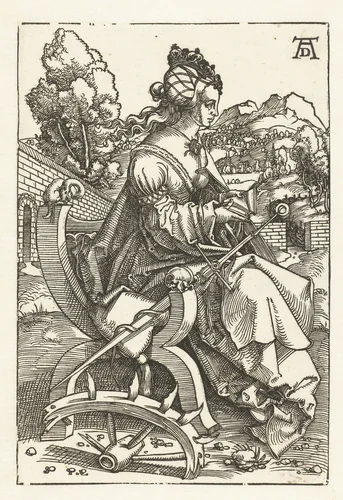
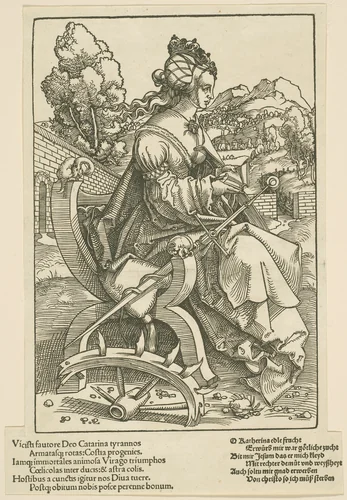
Baldung’s extensive catalogue of prints, which allowed his imagery to circulate widely throughout Europe, ensured his prominent place in history. His mastery of woodcut techniques was foundational to the distribution of his distinctive style, making his compelling narratives available to a wider audience than his Hans Baldung Grien paintings. Today, his significant oeuvre is preserved in major international collections, including the Art Institute of Chicago and the Rijksmuseum. The enduring appeal of his graphic work means that many of his compositions exist in the public domain, allowing enthusiasts to study and access museum-quality high-quality prints and appreciate the powerful, complex vision of a truly transitional artist.
Source: Wikipedia · CC BY-SA 4.0