Hanns Lautensack
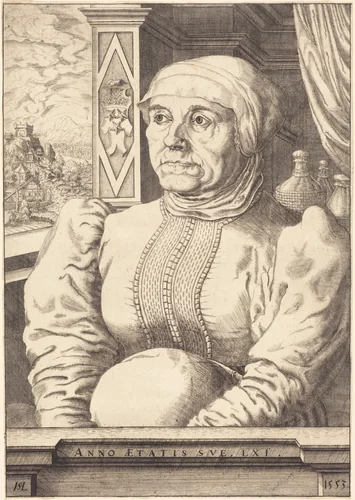
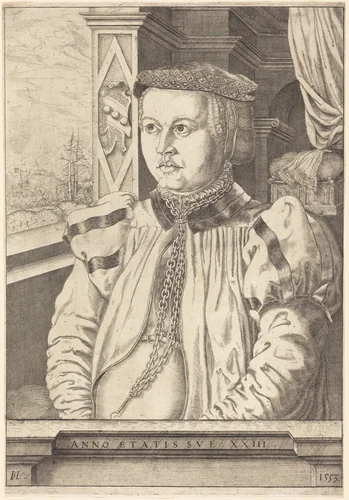
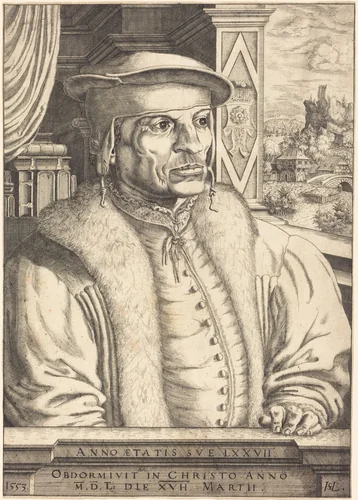
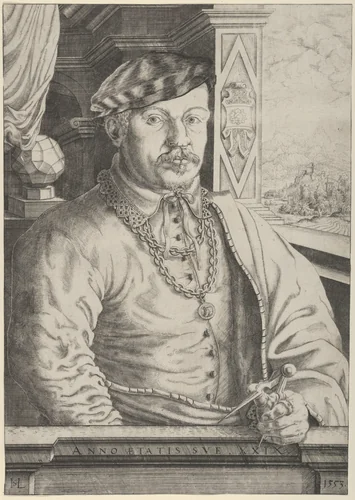
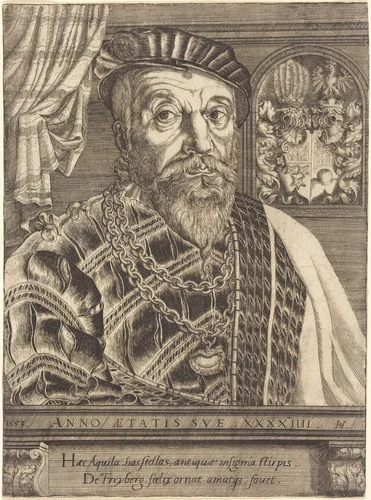
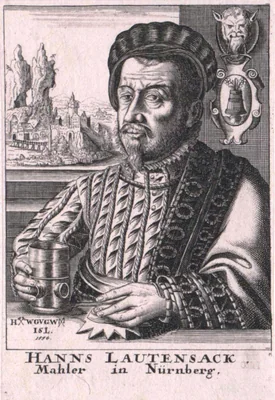
Hanns Lautensack was a distinguished German etcher and draughtsman whose output, concentrated between approximately 1530 and 1552, marks him as a significant figure in the development of Northern Renaissance printmaking. While the biographical details of his life remain elusive, the sustained quality of his fourteen known prints and single surviving drawing ensures his position in major international collections, including the Cleveland Museum of Art and the Metropolitan Museum of Art.
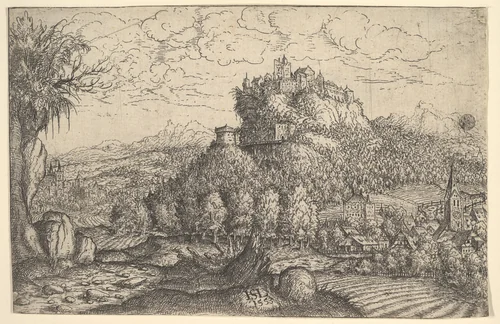
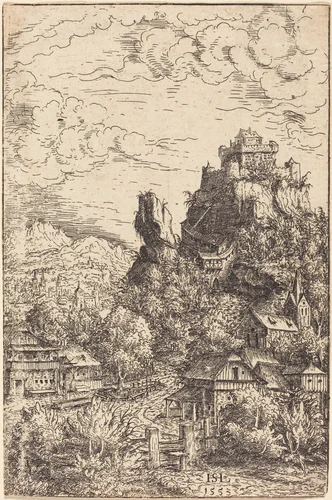
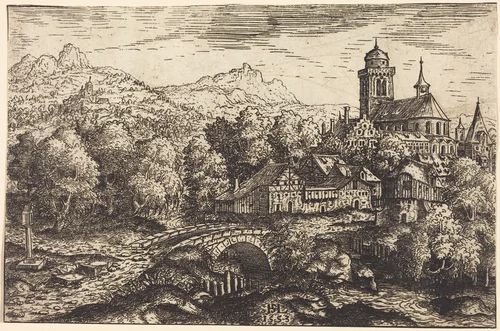
Lautensack worked during a transitional period for the print medium, specializing in etching—a technique that, unlike the rigid conventions of engraving, allowed for a fluidity and atmospheric quality well-suited to complex landscapes and spontaneous narrative scenes. His mastery lay in manipulating the etched line to create dense tonal variations, achieving a dramatic interplay of light and shadow that gives his compositions depth and immediacy.
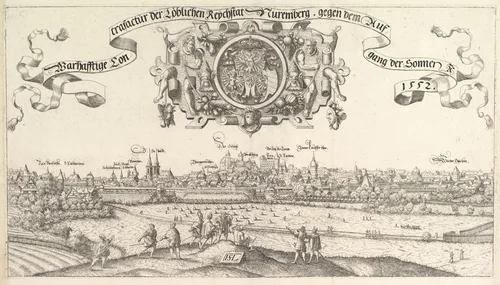
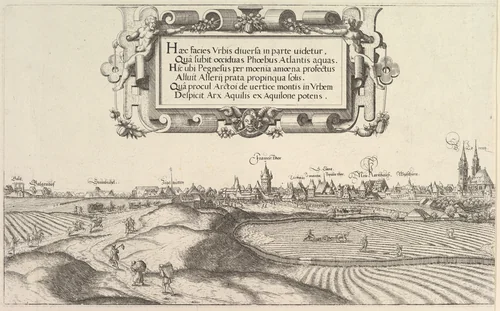
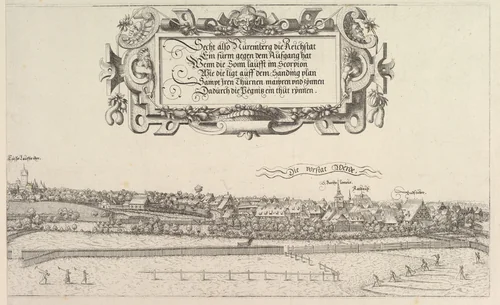
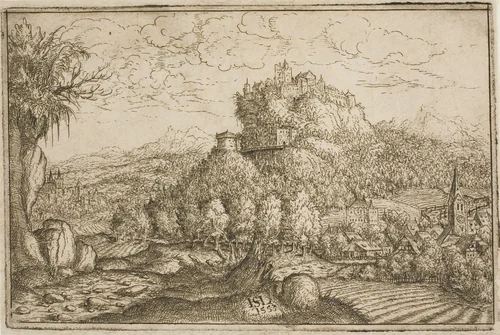
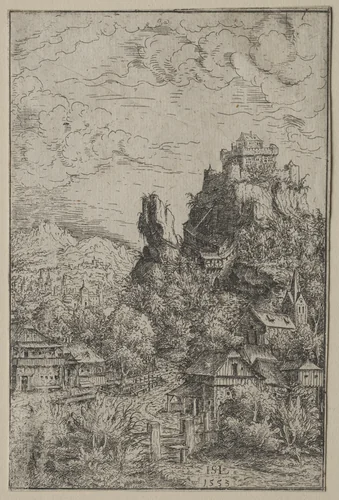
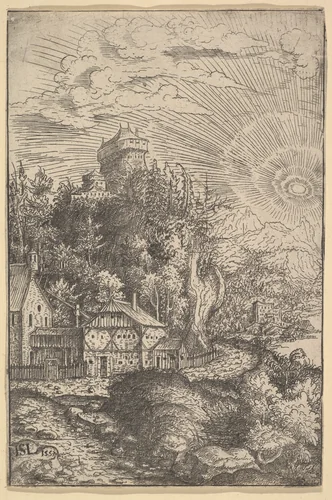
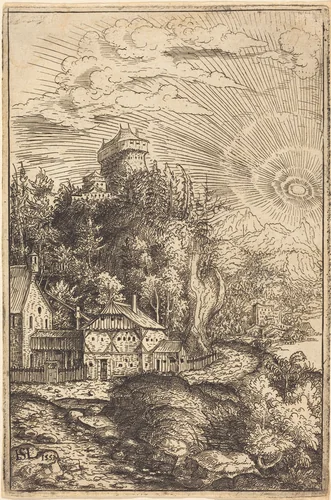
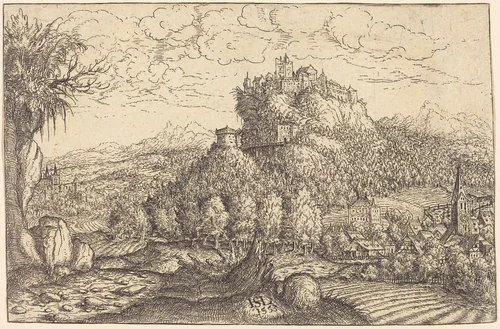
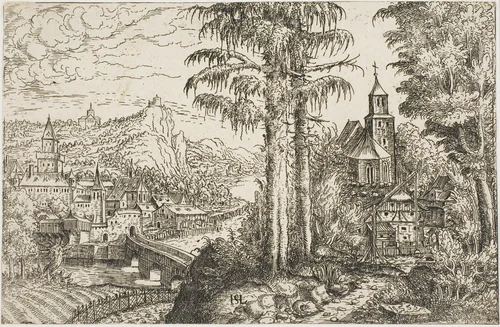
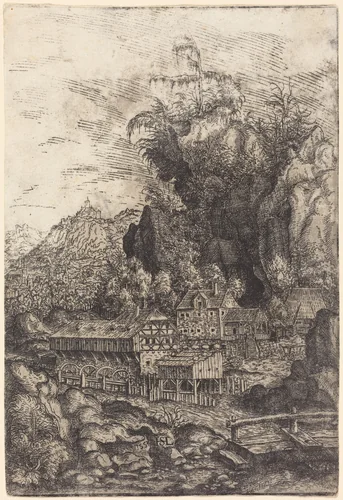
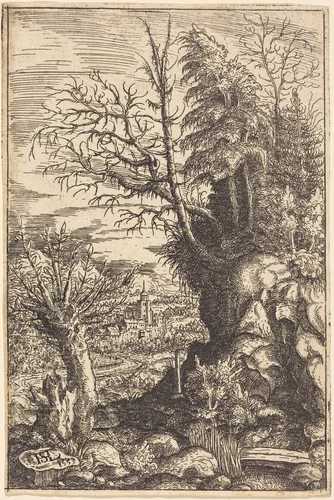
His subject matter reveals a focus on both traditional biblical narratives and detailed, often ambitious landscape studies. Works such as David and Goliath demonstrate his capacity for rendering dynamic human action within a framed environment, while prints like Cabin Among Trees and the widely admired Imaginary Landscape illustrate his skill in topographical observation. These scenic depictions often treat the natural world as the primary subject, moving beyond simple background elements to explore texture, distance, and dramatic mood.
Interestingly, Lautensack repeatedly returned to certain successful themes, notably producing different iterations of The Good Samaritan. This practice suggests not only an artistic fascination with the moral complexities of the parable but also a keen commercial understanding of what resonated with the growing market for accessible fine prints in the sixteenth century.
The enduring technical merit of his output ensures that Hanns Lautensack prints remain critical artifacts for studying the evolution of etching. Today, many of his historically important works are available in institutional archives, often falling into the public domain and providing scholars and enthusiasts access to high-quality prints and downloadable artwork. His concise yet potent catalog confirms Lautensack’s place as a technically accomplished artist whose legacy is preserved through museum-quality impressions held globally.
Source: Wikipedia · CC BY-SA 4.0
![View of Nuremberg from the West [right section] by Hanns Lautensack, print, 1552](https://img.artbee.org/c3ccdcf1-b8e3-44ea-b598-512e51a5b2c1/small.webp)