Guy Green
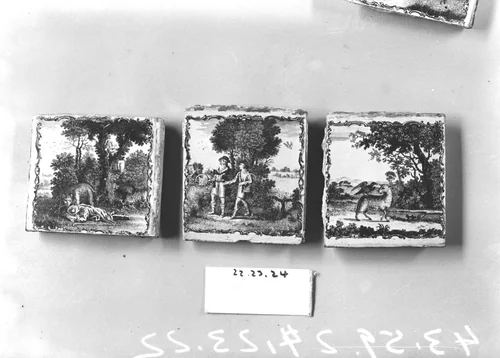
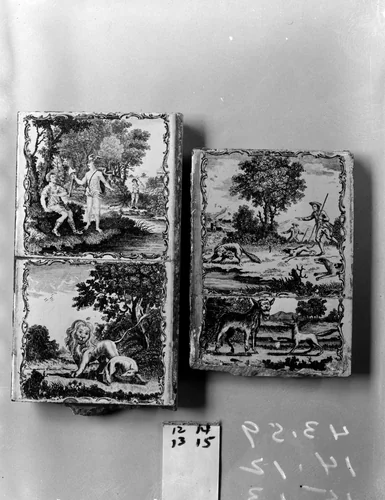
Guy Green (active circa 1771) holds a singular, if often chronologically elusive, position within the history of British ceramic artistry. Operating during the explosion of innovation that defined the late Georgian period, Green distinguished himself through the sophisticated production of decorative tiles, a specialization that blended industrial process with nuanced aesthetic detailing. His enduring importance is underscored by the inclusion of his works in major international holdings, prominently the Metropolitan Museum of Art.
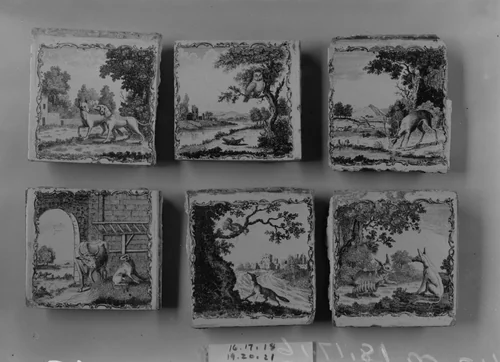
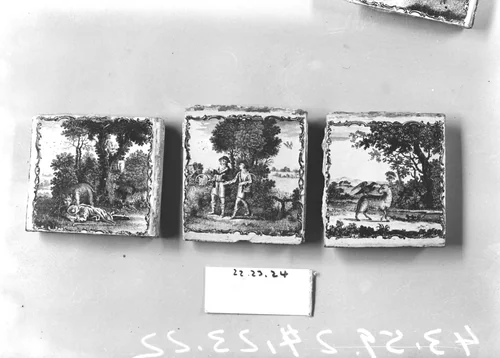
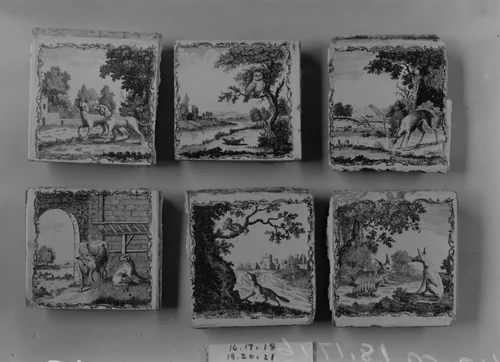
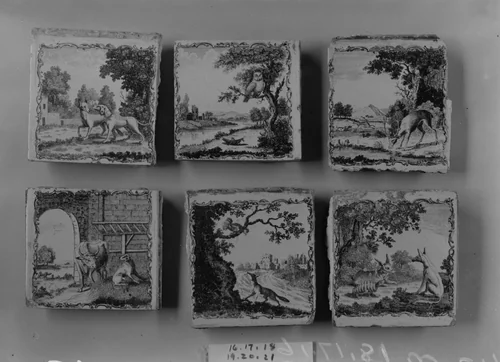
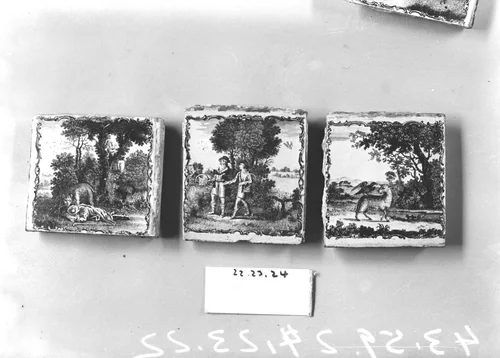
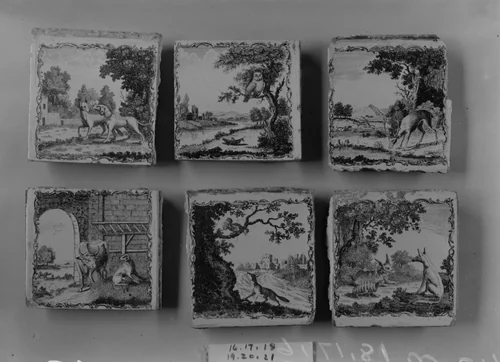
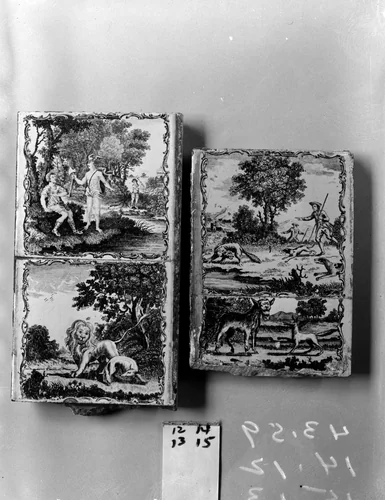
Green’s career coincided precisely with the widespread adoption of transfer printing in the Midlands and Liverpool, revolutionizing how complex designs could be applied to earthenware. This specialized technique involved meticulously etching a design onto a copper plate, inking the plate, and transferring the image onto a layer of tissue paper before affixing it to the pre-glazed terra-cotta surface. Green mastered this delicate process, producing repeatable, high-quality prints that brought detailed imagery, typically featuring classical motifs, pastoral scenes, or narrative vignettes, into the increasingly decorative middle-class home. His output showcases both technical consistency and a sensitive command of composition, crucial factors for pieces destined for architectural integration.
The tile as a medium presents unique challenges for attribution, particularly since works were often manufactured collaboratively and were rarely signed by the individual designer. Consequently, Guy Green is defined less by a specific masterwork and more by a distinct aesthetic fingerprint and consistent presence in documented manufacturing centers of the era. His contribution was not merely decorative, but structural, transforming everyday architectural elements into statements of refined taste and contemporary fashion.
The surviving examples of his craftsmanship offer vital data for scholars examining 18th-century design and consumer culture. It is perhaps a quiet irony that this artist, whose career focused on the most fragile of architectural components, managed to achieve a visual permanence denied to many of his contemporaries who sought loftier subjects. Today, while museum-quality pieces command significant attention in specialized sales, the availability of these works in the public domain ensures broad accessibility. Researchers and designers interested in 18th-century patterns can now study and adapt Guy Green prints, making original designs available as downloadable artwork for both scholarship and contemporary inspiration.
Source: Wikipedia · CC BY-SA 4.0